New Visitor Resource Highlights Los Alamos History and Activities
A stable, authoritative visitor resource outlines Los Alamos historic attractions tied to the Manhattan Project, practical tips for visiting, and family friendly activities. The information matters for residents and visitors planning museum visits, outdoor recreation, and for local leaders balancing tourism with public health and equity needs.

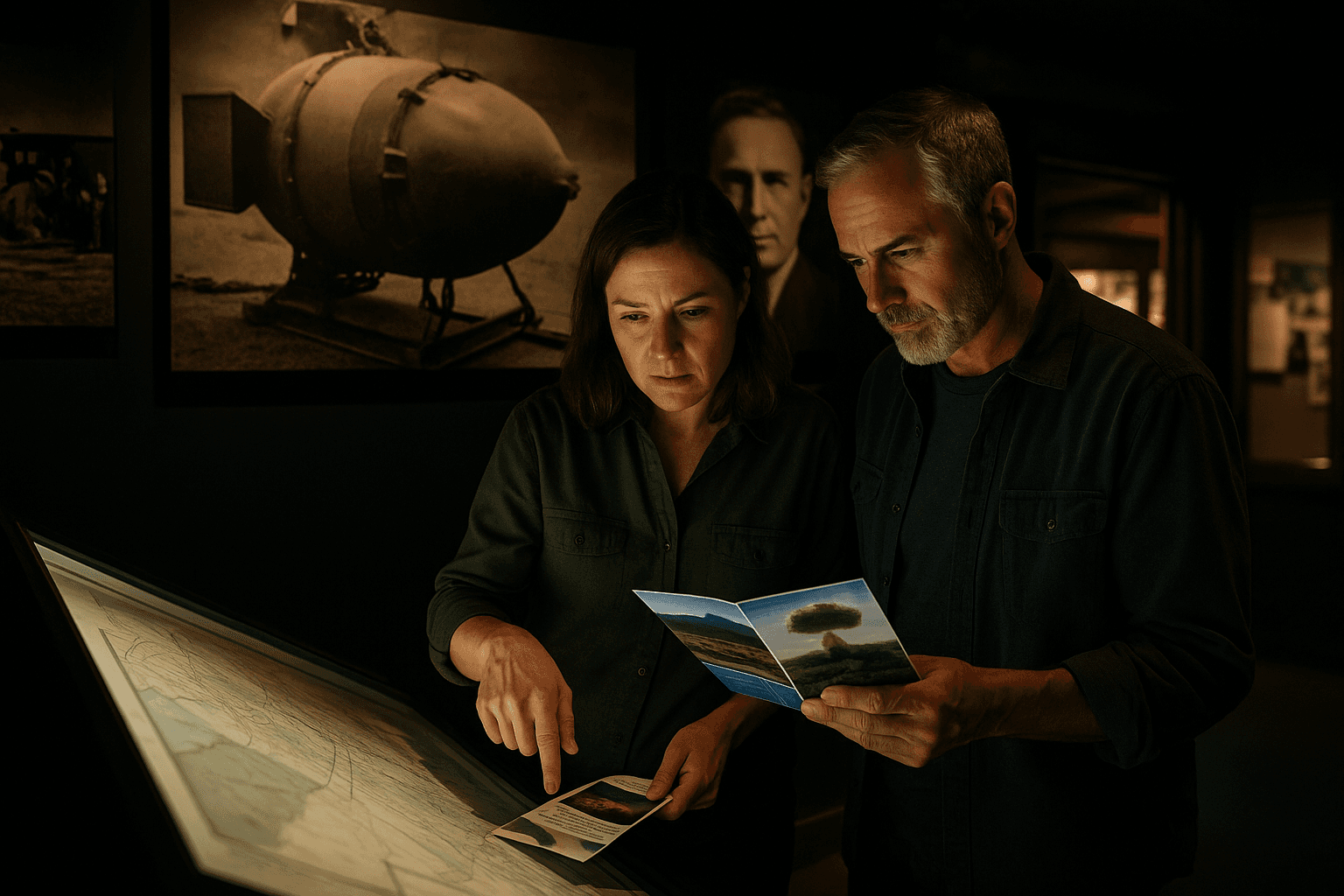
A comprehensive visitor resource now presents a consolidated overview of Los Alamos historic and educational attractions tied to the Manhattan Project and broader local history, along with practical tips for planning visits. The resource lists ranger programs, guided tours, and visitor center information, and offers places to go, trip ideas, and family activities designed to complement museum visits and outdoor recreation.
This material functions as a go to tool for residents, teachers, and tourists seeking an organized approach to exploring Los Alamos history and landscape. By highlighting ranger led programming and guided tour options it helps families and educators plan outings that combine interpretive learning with time outdoors. The emphasis on trip ideas and complementary activities also encourages cross visitation among local cultural institutions and trail based recreation areas.
The local implications extend beyond tourism. Increased interest in historical sites can bring economic benefit to small businesses and support cultural institutions, while also creating operational pressures for county services. Public health officials and emergency responders may need to account for higher daytime populations at key sites, especially on weekends and during school breaks. Attention to trail safety, hydration stations, restroom access, and basic first aid capacity can reduce preventable injuries and ensure a safer experience for visitors of all ages.
Equity and access are central concerns. Not all residents can easily access driving dependent sites or afford fee based programs. Local agencies and cultural partners can use the resource as a basis for outreach, by offering low cost or free programming, transportation options, and accessible interpretations for visitors with mobility or sensory needs. Ensuring that historical narratives include diverse perspectives can improve community trust and broaden participation.
Coordination between cultural institutions, the county, public health departments, and visitor services will determine whether community gains are shared widely. Presenting clear, practical information about programming, locations, and family friendly options supports both stewardship of historic resources and thoughtful planning to protect public health and promote social equity as visitation evolves.
Sources:
Know something we missed? Have a correction or additional information?
Submit a Tip