New York Times Sues Pentagon, Challenges Press Credential Rules
The New York Times filed suit in federal court against the Department of Defense seeking to block new credentialing rules that critics say give the Pentagon unchecked authority to bar reporters. The case could reshape how journalists cover military matters and has broader implications for public oversight of health, safety, and community welfare related to defense operations.
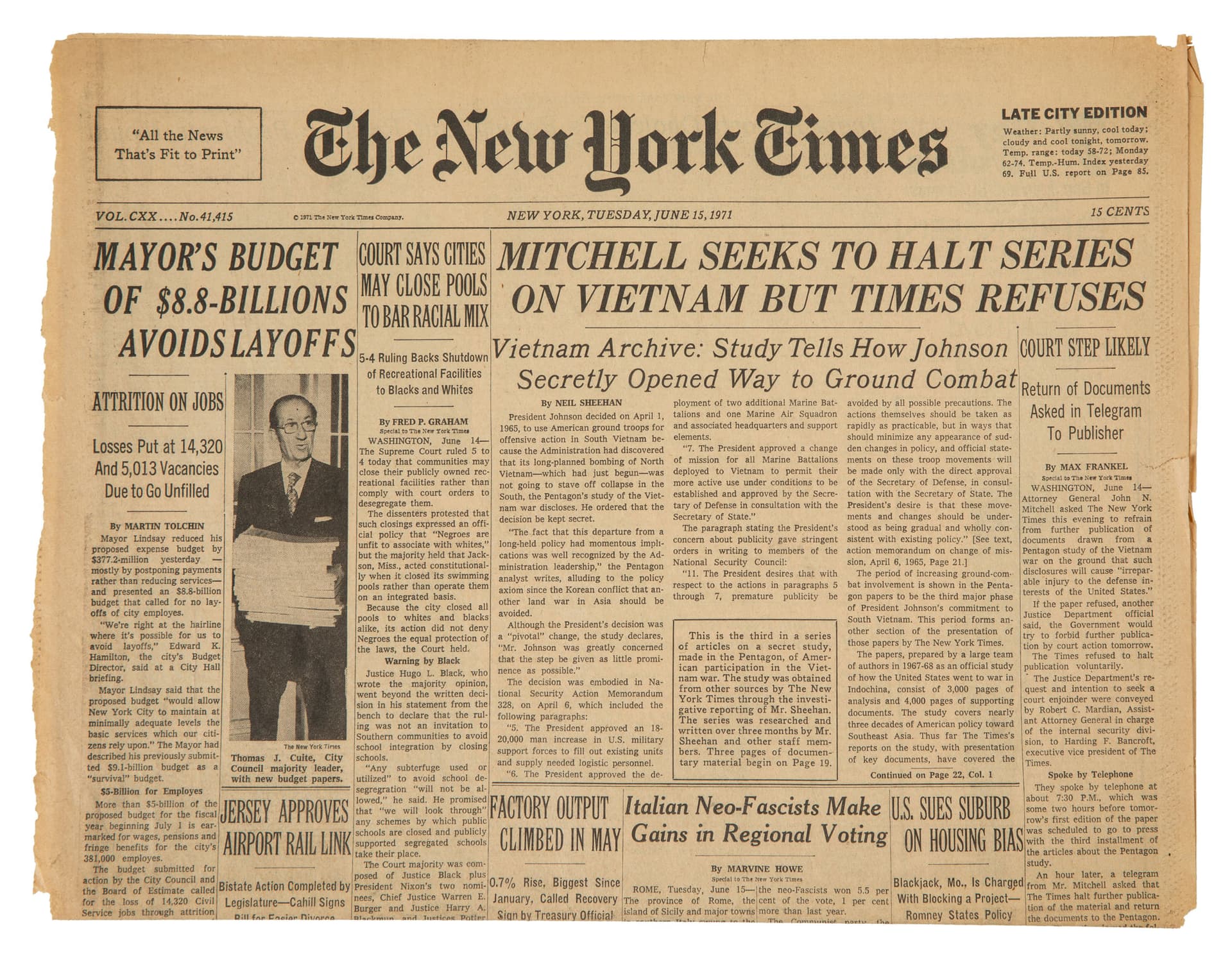
The New York Times sued the Department of Defense in U.S. District Court in Washington on December 4, 2025, asking a judge to overturn new Pentagon credentialing rules instituted under Secretary Pete Hegseth. The complaint contends the policy forces credentialed reporters to accept conditions that would allow the Pentagon to revoke access or designate journalists as security risks for asking certain questions, and argues that those provisions violate the First Amendment and the Fifth Amendment right to due process. The paper requested injunctive relief to block enforcement of the rules while the case proceeds.
The lawsuit names the Department of Defense, Secretary Hegseth and the Pentagon’s chief spokesman as defendants. It arrives after a wave of resistance from news organizations. At least 30 mainstream outlets relinquished Pentagon press badges rather than agree to the new terms, a withdrawal that observers say has sharply curtailed routine reporting inside the Pentagon and at military installations.
Legal scholars and press freedom advocates warn that the rules grant a level of discretion to civilian leadership that could chill reporting on a range of topics of public concern. Those topics include military medical readiness, pandemics and epidemic response planning, the quality of care in military hospitals and clinics, veterans health programs, and exposure to environmental hazards at bases and training ranges. Reduced access to on the record briefings and limited on site presence may make it harder for journalists to investigate policy failures that have concrete public health consequences.
The potential public health and community impacts extend beyond active duty personnel and veterans. Communities near military installations, including many low income neighborhoods and communities of color, have long raised concerns about contamination of drinking water, air pollution from training exercises and the slow pace of cleanup of toxic sites. Independent reporting has been central to documenting those harms and prompting remedial action. With fewer reporters inside the Pentagon, advocates worry that such problems could receive less scrutiny and that policymakers will face reduced pressure to respond.

The case also raises questions about equity in oversight. Historically marginalized service members and their families have depended on investigative reporting to surface disparities in care and benefits. Restricting access to official sources could make disparities harder to document and remedy, leaving some groups without an effective avenue to have their concerns heard.
The Pentagon has defended its authority to protect classified information and operational security, but the new suit frames the policy as a broader delegation of power that sweeps in ordinary reporting activity. The court will have to weigh the government’s interest in security against the constitutional protections afforded to the press and the procedural safeguards that the Fifth Amendment guarantees.
As litigation begins, the immediate practical effect is uneven access to Pentagon briefings and facilities and a legal test that could set precedent for how much latitude agencies have to condition press access. The outcome will carry significance for journalists who cover defense and for the public whose health and safety often intersect with military policy.