Newburgh Creates Fund To Reinter African American Burial Ground
The Newburgh City Council on December 8 established a dedicated capital reserve fund to finance an African American Burial Ground Memorial and reinterment site in Downing Park, with officials allocating 1.9 million dollars to the fund. City leaders say the money will come from earned interest on the citys ARPA allocation so the project will not be a direct cost to local taxpayers, and next steps include final design work, environmental review, bid preparation and construction.
On December 8 the Newburgh City Council voted to create a capital reserve fund to pay for a memorial and reinterment site for remains recovered from the former Broadway School site. City officials announced that 1.9 million dollars will be placed into the fund, an amount based on a recent construction estimate and drawn from earned interest on the citys federal ARPA allocation. Officials characterized the financing plan as avoiding a direct cost to local taxpayers.
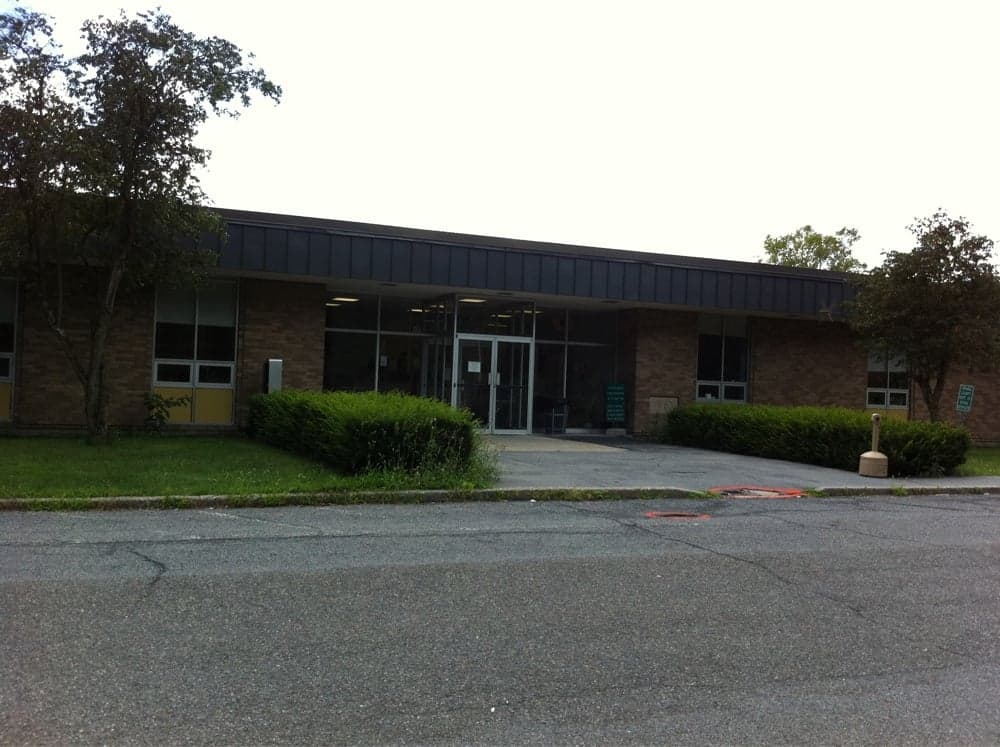
The remains were first rediscovered in 2008 beneath the former Broadway School. A total of 114 individuals of African ancestry were identified. Ninety nine sets of remains were exhumed and preserved for reinterment and are currently housed at SUNY New Paltz until a permanent site can be completed. The council action advances long standing efforts by civic groups and descendants to provide a dignified, permanent resting place and an interpretive memorial.
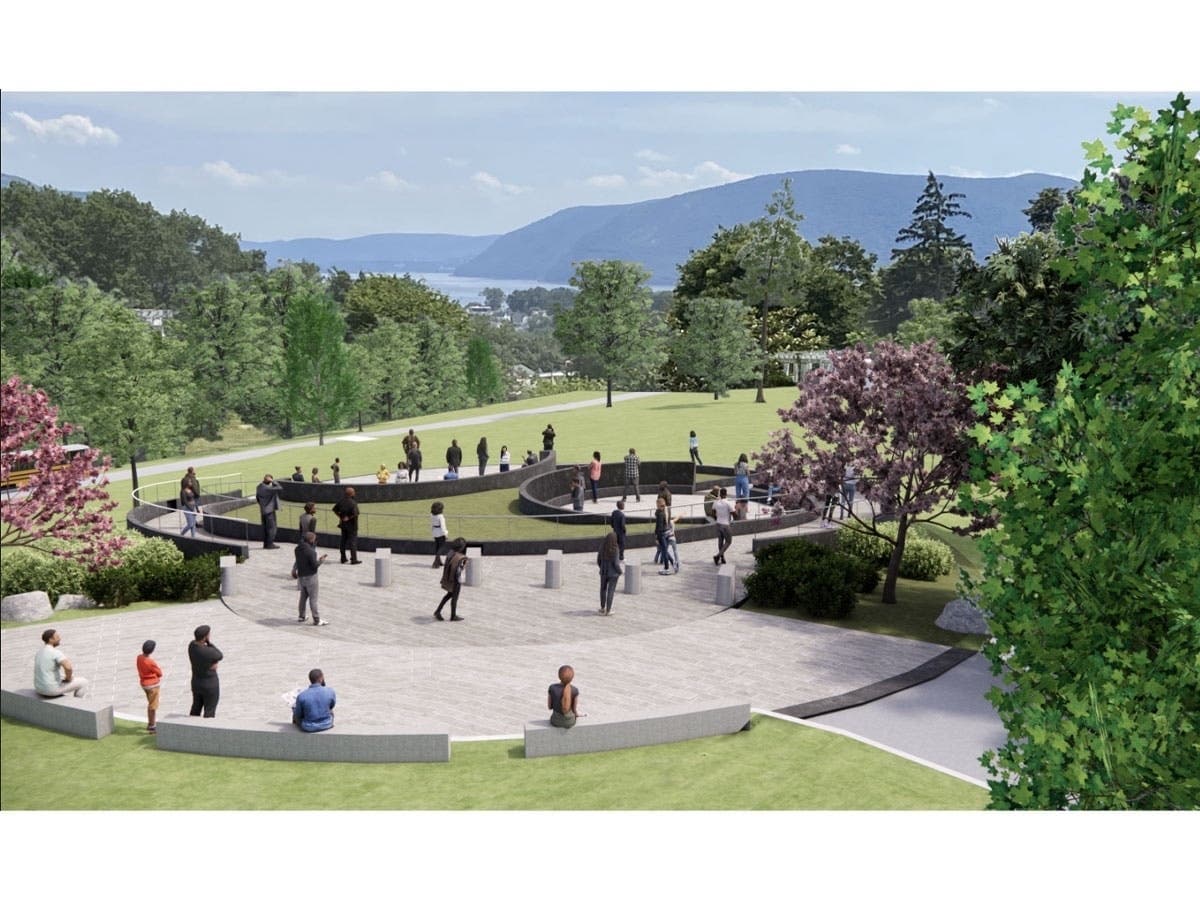
Planned elements of the memorial design include a central circular reinterment lawn, educational spaces, contemplative pathways and a ceremonial plaza. Granite stones with inscriptions will describe the history of the Colored Burial Ground on Broadway, its rediscovery in 2008, and plans for reinterment. City officials said the project will move next into final design, environmental review, bid preparation and construction, a sequence that will determine the timeline and costs to be incurred from the reserve.
The decision carries policy implications for municipal budgeting and historic preservation. Using earned interest from ARPA funds places the project within federal recovery resources while keeping capital construction off the operating tax levy. That approach will require transparent accounting and clear reporting to ensure the reserve is used as intended, and it may prompt questions about competing uses for ARPA related funds and local priorities.
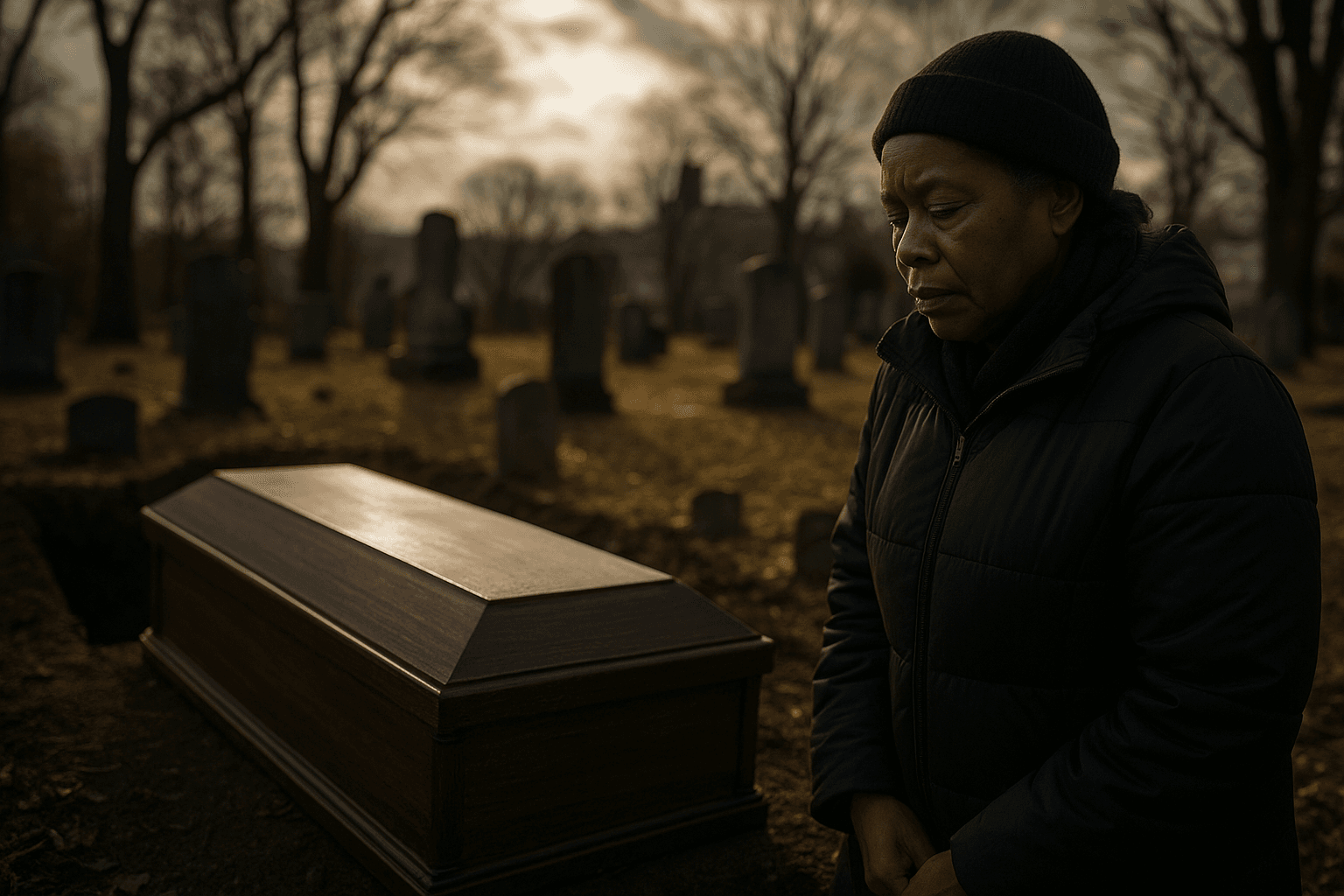
For residents the project promises a permanent site for remembrance, local educational programming and a public space that acknowledges a previously overlooked chapter of Newburgh history. Residents should monitor city council agendas and public design meetings as the project advances, so that descendants and the broader community can participate in shaping the memorial and oversight of public spending.
Sources:
Know something we missed? Have a correction or additional information?
Submit a Tip