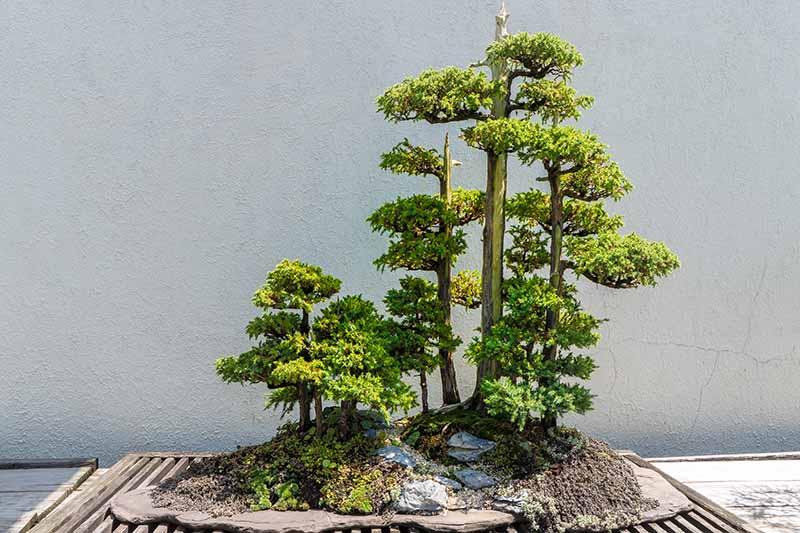
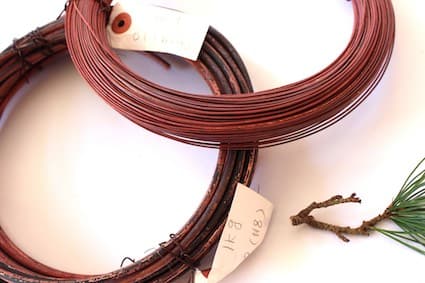
Nihon Bungeisha releases photographic Bonsai Illustrated Guide for hobbyists
Nihon Bungeisha released a photographic, process-focused Bonsai Illustrated Guide on December 17, 2025. It provides step-by-step instruction covering selection, cultivation, styling and care for 14 common species.

Nihon Bungeisha released Bonsai Illustrated Guide on December 17, 2025, a process-focused, photographic manual aimed at beginner and intermediate growers. The book foregrounds step-by-step photography to show practical work—selection, cultivation, styling and species-specific care—for 14 common bonsai species, giving the community a visual roadmap for routine and seasonal tasks.
The guide’s strength is its emphasis on process rather than theory. Each sequence shows the hands-on stages you go through when shaping material, repotting, pruning and maintaining health. That visual sequencing makes it simpler to compare your tree to a photo at each stage, identify the next move, and avoid common mistakes that happen when instructions rely only on text. For those building skills in wiring, branch selection and developing nebari and ramification, seeing a technique executed in photos can accelerate confidence and reduce guesswork.
Coverage across 14 species brings practical value for growers working with common material. Species-specific sections translate general technique into tailored care: what to check before wiring, how timing changes by species, and how cultivation practices adapt through seasons. For new collectors this means clearer decisions when selecting nursery stock; for intermediate growers it means step-by-step references to refine styling decisions and maintenance cycles.
The guide is presented with clarity that suits bench-top use. Photographs provide immediate reference during a work session, and process sequencing helps you plan a multi-stage project across seasons instead of trying to complete everything in one day. Use the photos to match stage and scale, practice techniques on sacrificial branches or nursery stock, and log your changes alongside the pictured steps so you can measure progress in wiring, pruning and root work.

This kind of manual also supports community learning. Bring a printed section to workshops, share photographic comparisons at bonsai meets, and use the step sequences as a common vocabulary when asking for critique. Because the book links technique to species-specific outcomes, it helps align classroom demonstrations with what owners will need when they return to their own benches.
The takeaway? Treat a photographic, process-focused manual like a bench partner: follow stages, compare your tree honestly to the photos, and pace projects across seasons. Small, repeatable moves shown in sequence beat dramatic one-off changes. Our two cents? Use the guide to practice controlled, incremental work—your wiring will improve, your nebari work will look cleaner, and you’ll make fewer rookie mistakes by learning what comes next before you pick up the shears.
Sources:
Know something we missed? Have a correction or additional information?
Submit a Tip