NLRB complaints name Nintendo of America and TEKsystems in labor dispute
Two NLRB complaints name Nintendo of America and TEKsystems, alleging illegal interference and retaliation. The filings could affect contractors' rights and staffing firm relationships.
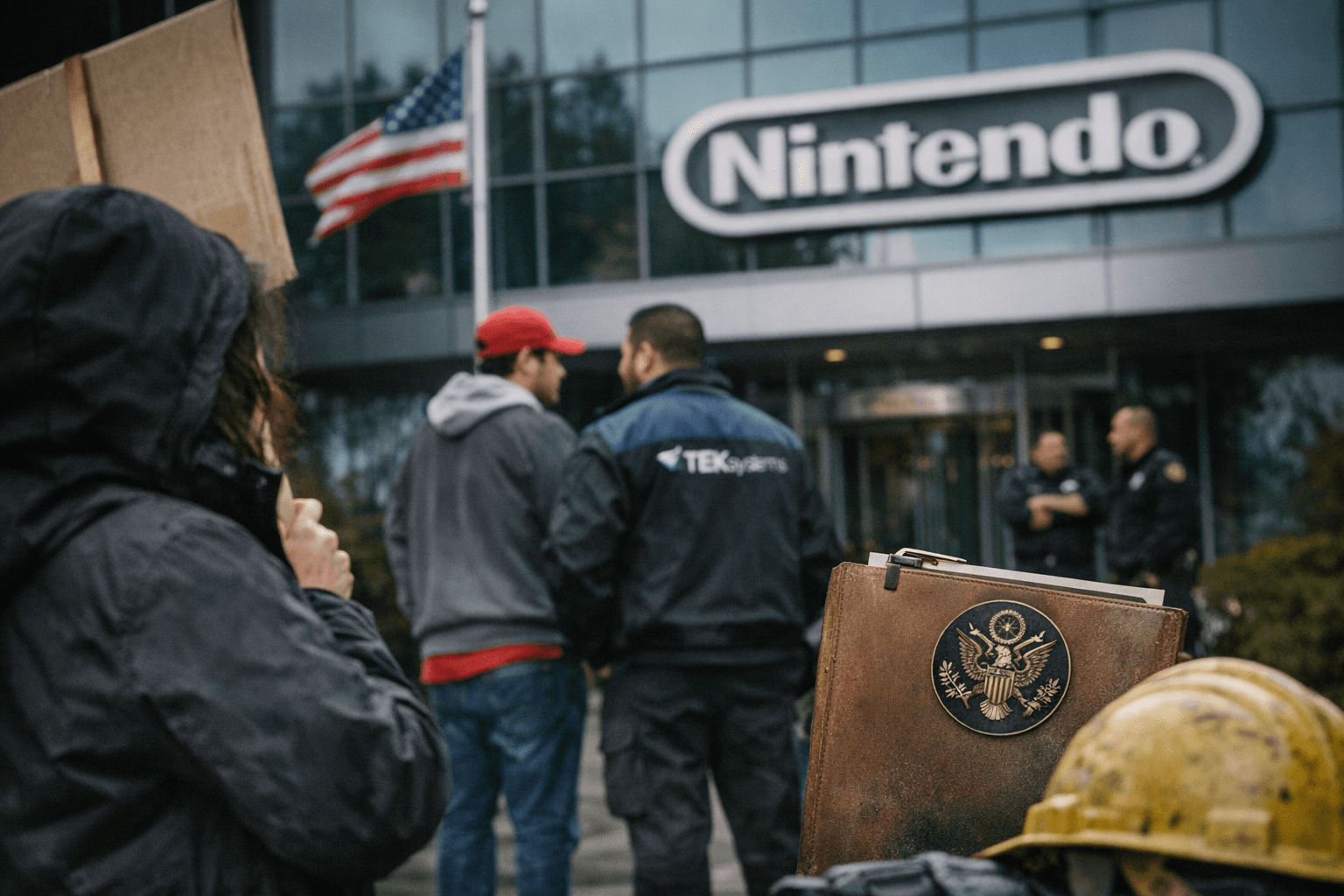
Two recent complaints filed with the National Labor Relations Board name Nintendo of America and IT staffing firm TEKsystems as joint respondents, alleging violations of sections 8(a)(1) and 8(a)(4) of the National Labor Relations Act. The filings accuse the companies of interfering with employees' right to organize and retaliating against workers for filing charges or cooperating with NLRB proceedings.
NLRB docket entries list one complaint filed December 9, 2025 and a second filed January 6, 2026, with both charging letters signed on January 7, 2026. The paperwork frames the dispute in statutory terms: section 8(a)(1) bars employer actions that interfere with, restrain, or coerce workers engaging in protected concerted activity; section 8(a)(4) prohibits retaliation against employees who file charges or participate in board investigations.
The joint-respondent names underscore the role that staffing firms play in the games industry labor ecosystem. When a staffing firm and a platform employer are both listed, it can broaden the scope of potential liability and complicate responsibility for discipline, termination, or work assignments. For contractors and temporary staffers, the filings highlight ongoing uncertainty about who enforces workplace protections and how organizing activity is treated at the vendor level.
This is not the first time a major games employer and a staffing partner have faced scrutiny. In 2022 Nintendo reached a settlement of roughly $25,910 with a staffing firm after a contractor alleged they were fired for discussing unionization. That prior case added to a series of disputes across the industry as developers, QA teams, and other studio workers have increased organizing activity in recent years.
For employees, the immediate impact is practical and psychological. The complaints could lead to NLRB investigations, requests for documents and testimony, and potentially remedies such as back pay or reinstatement if violations are found. The process can also chill open discussion about organizing if workers fear surveillance or reprisals from either the platform employer or the staffing firm that places them.
Documentation matters in these cases. Payroll records, internal messages, and email chains that show who directed work or discussed discipline can shape whether the board finds joint responsibility. For managers and HR teams, the filings are a reminder that vendor relationships do not shield a company from labor-law exposure and that clear communication and consistent policies across client-contractor boundaries are critical.
Our two cents? If you’re a contractor or staffer, keep careful records and reach out to a union representative or labor counsel if you believe your rights have been chilled or you’ve faced retaliation. For employers, treat vendor oversight as a labor-management issue, not just a procurement one. The takeaway: as union activity in games continues to level up, so will scrutiny of how companies and staffing partners interact with organizing workers.
Sources:
Know something we missed? Have a correction or additional information?
Submit a Tip