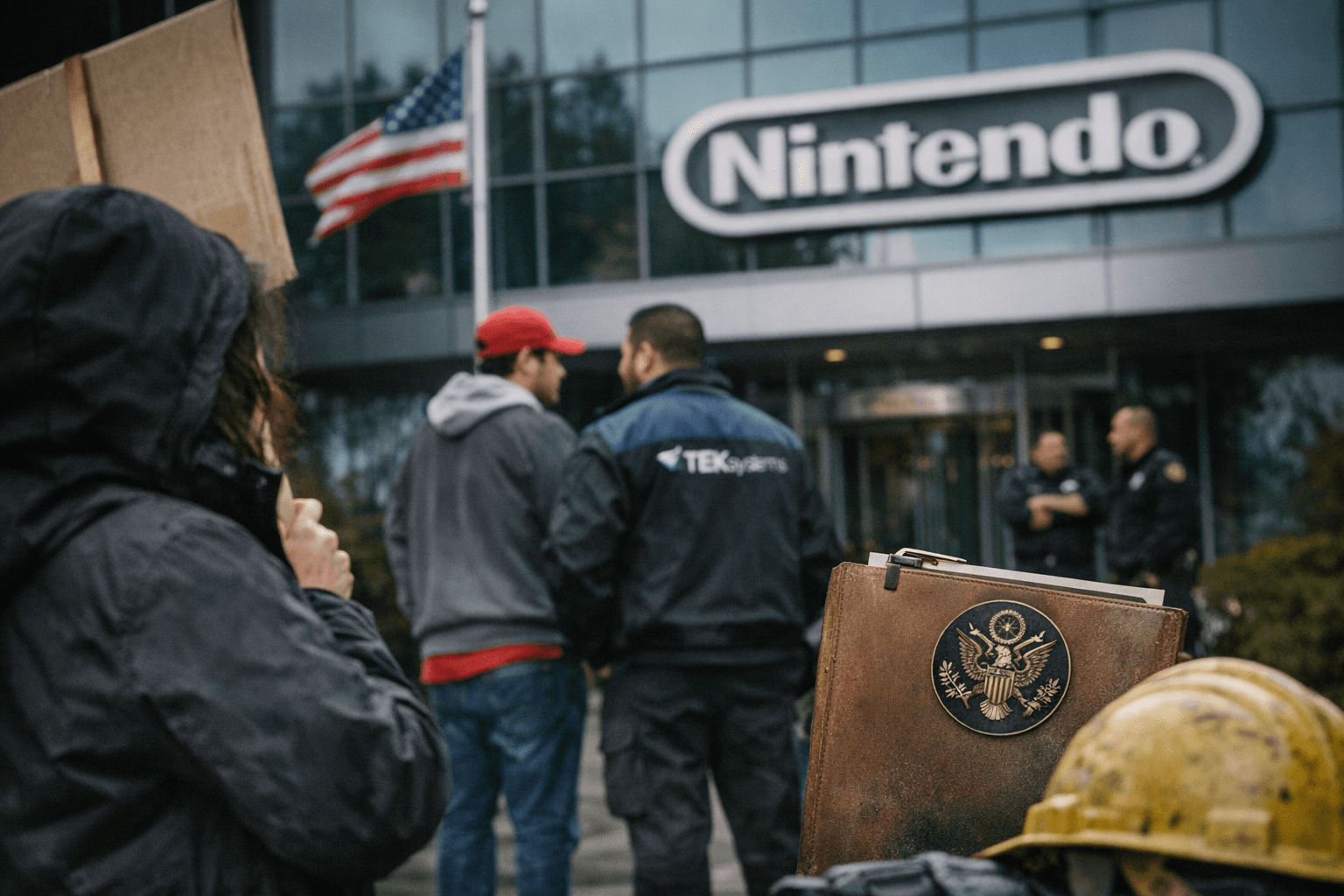
NLRB process explained after ULP charges against Nintendo of America
Unfair labor practice charges were filed against Nintendo of America in early January 2026; NLRB guidance explains how investigations proceed and what employees should expect.
Employees and organizers at Nintendo of America are now navigating an NLRB unfair-labor-practice process after charges were filed in early January 2026. The agency’s customer-service guidance lays out the steps, timelines, and practical actions that matter most to workers and to employers responding to allegations.
The NLRB asks charging parties to be ready with specifics: dates, times, witness names and other supporting details. Regional offices review initial filings, may request additional evidence, and can dismiss charges that lack merit. Where investigators find merit, the region can pursue settlement negotiations or issue a complaint that leads to an administrative hearing before an NLRB Administrative Law Judge.
Timelines vary. The agency describes investigations and regional determinations as often taking weeks to months depending on complexity. In some cases the region may seek remedies through settlements; in more urgent circumstances the NLRB may request injunctions. The guidance also identifies the Information Officer role as a resource for assistance in filing a charge and explains options for electronic filing.
For Nintendo workers, the practical implications are immediate. Preparing clear documentation and identifying witnesses strengthens a charge and speeds the region’s review. The prospect of a formal investigation can alter workplace dynamics: it may accelerate internal reviews and policy changes by management, shift morale, and influence organizing momentum. Employers frequently balance legal strategy with public relations and operations, which can affect staffing decisions, communications, and day-to-day interactions.

The process also affects how quickly workers can expect resolution. Even when a charge is sustained, remedies and final outcomes depend on settlement talks or administrative procedures that can extend over months. That uncertainty can be draining for employees involved in organizing or who raised complaints, and it can change how coworkers talk about issues like discipline, workplace rules, and collective action.
For those considering or already involved in cases, the agency’s procedural guidance is a useful playbook: document incidents promptly, preserve relevant messages and records, and be prepared to give names and timelines. Use the Information Officer resource if you need help with filing or understanding next steps, and take advantage of e-filing when available to create a clear paper trail.
The takeaway? Treat this like any high-stakes level in a game: plan your moves, keep receipts, and talk to coworkers about next steps while protecting evidence and each other. Our two cents? Being organized and informed fast-tracks the process and gives workers the best chance of shaping the outcome.
Sources:
Know something we missed? Have a correction or additional information?
Submit a Tip