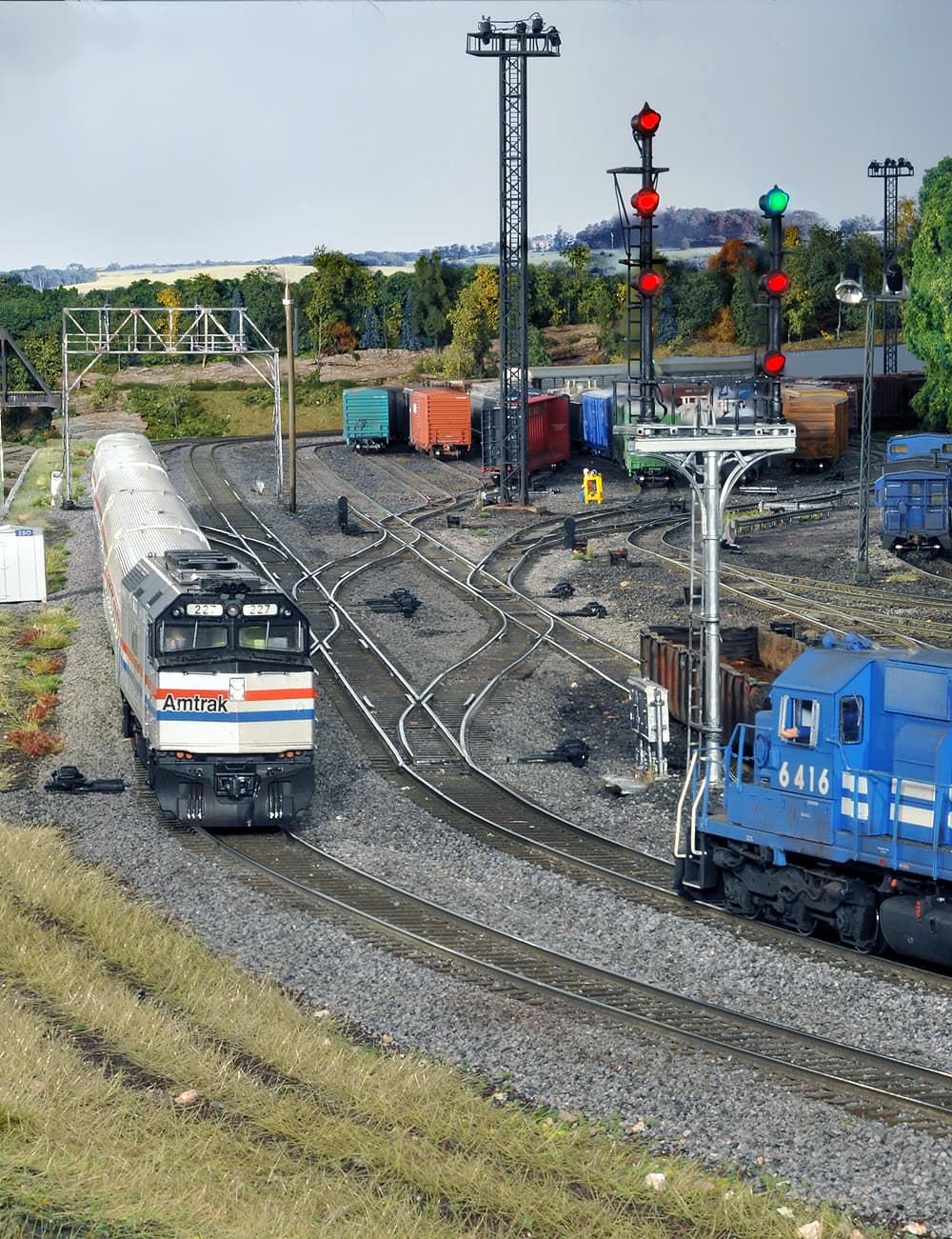
NMRA beginner's guide simplifies starting in model railroading
The NMRA's Beginner's Guide lays out essentials for new modelers and practical next steps, from picking scale to basic tools and starting layout sizes.
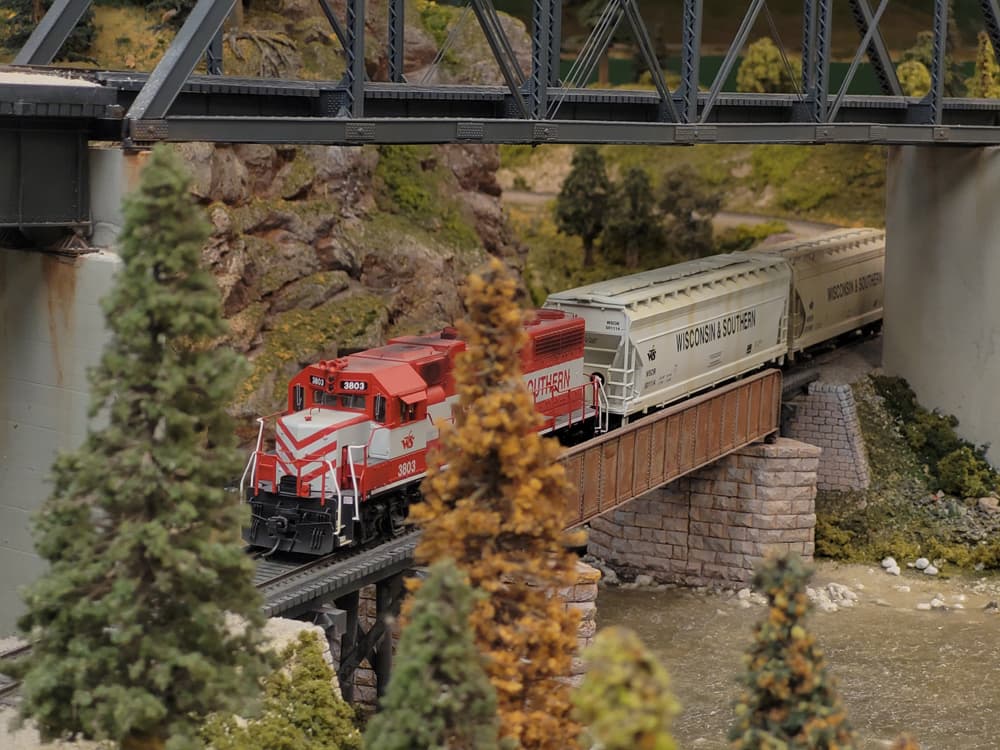
The NMRA's Beginner's Guide Part 1: Getting Started packages the core how-to items new modelers need to begin a layout and plug into the hobby community. It explains why people choose model railroading, how to pick an era or prototype, and the basic scale and gauge decisions that shape every layout and roster choice.
Practical gear and skills get front-line treatment. The guide recommends a short, essential toolkit: needle-nose pliers, a hobby knife, small files, a soldering iron, and drills. It separates two common approaches — running for fun versus modeling prototype operations — so beginners can pick a path that matches their time and interest level rather than overcommitting.
Layout advice is deliberately conservative to save time and money while teaching fundamentals. The guide suggests starting small, with a 4x8 foot HO test layout or compact N modules, to learn benchwork, track-laying and scenery techniques without the pressure of a permanent, large layout. Those small starter formats give you hands-on experience with subroadbed, turnout geometry and track wiring before scaling up.
The community angle is central. Clubs, shows and local hobby shops are highlighted as primary learning resources for new modelers. Those places offer access to experienced builders, demo layouts, tools and often the chance to try DCC-equipped rosters or borrowed equipment. The guide also points toward follow-up parts that dive deeper into layout planning, benchwork construction, wiring fundamentals and DCC operation, making Part 1 a clear entry point rather than a one-off checklist.

For readers weighing scales and eras, the guide's emphasis on choosing an era or prototype early helps narrow rolling stock, paint schemes and scenery decisions, which limits GAS — gear acquisition syndrome — by giving purchases purpose. For those unsure whether to commit to analog or digital control, the follow-up material on wiring and DCC provides the technical background needed to decide when to invest in decoders and command stations.
The value to clubs and shop volunteers is immediate: this primer gives a consistent baseline to onboard newcomers, run beginner clinics and build 4x8 teaching modules. For solo starters, it trims the learning curve and reduces costly mistakes by encouraging staged learning and community engagement.
Our two cents? Start with a tiny, forgiving layout, learn by doing at a club or show, and keep the tool list minimal until you outgrow it. That way you get trains running, scenery improving and confidence building without blowing your budget or shelf space.
Sources:
Know something we missed? Have a correction or additional information?
Submit a Tip