Nobel Laureates Converge in Stockholm and Oslo, Week of Dialogue
Nobel Week began with laureates gathering in Stockholm and Oslo for a packed program of press conferences, lectures, and public appearances that set the stage for the prize ceremonies. The events mattered because they translated the laureates’ discoveries and ideas into conversations with global audiences, shaping cultural narratives, policy debates, and commercial interest.
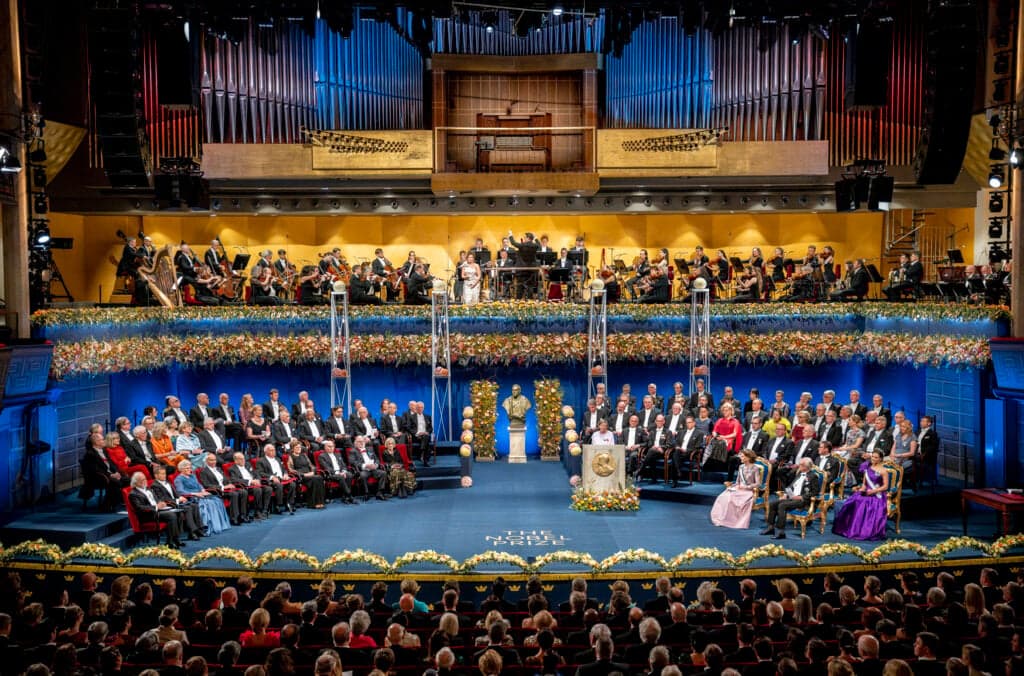
Laureates across the Nobel categories converged in Stockholm and Oslo on December 7 for the start of Nobel Week, arriving to a schedule that mixed formal press briefings with public lectures and receptions that built momentum ahead of the award ceremonies. AP reporting laid out the logistical rhythm of the week, noting a series of press conferences, media appearances, and a public program of lectures that would allow winners to discuss their work in greater detail for international audiences.
The gatherings highlighted the breadth of work recognized this year, from breakthroughs in the sciences to achievements in literature and humanitarian efforts. Rather than a parade of accolades, the events emphasized translation and outreach. Laureates used the stage to explain complex research and ideas in accessible terms, while organizers framed the week as a bridge between elite recognition and public understanding.
This communal moment matters beyond ceremony. For researchers and institutions, the concentrated visibility can accelerate collaborations, attract funding interest, and reorient academic priorities. For the publishing and cultural industries, literary laureates’ lectures and readings often spur new translation deals and renew attention to back catalogues. For humanitarian prize winners, the platform amplifies causes, drawing donor attention and policy makers toward persistent crises and innovative interventions.
The public programming in Stockholm and Oslo also served as a cultural barometer. Nobel Week has become a place where science, letters, and social conscience meet popular culture and policy. Media coverage turned complex findings into narratives that the public can digest, while receptions and panels offered spaces for networking that cross-pollinate sectors. That ecosystem reinforces the Nobel brand as not just an honor but an influencer of agendas, whether in laboratory funding streams, publishing markets, or international aid priorities.
There were immediate economic effects for host cities. Hotels, venues, and service industries benefited from the influx of delegations, journalists, and visitors, while official receptions and side events created a temporary but intense demand for local suppliers. The visible crowds and international media also underscored the soft power value of hosting the ceremonies, an intangible but potent return on cultural diplomacy.
Socially, this year’s programming underscored a continuing expectation that laureates contribute to public discourse. The profile-building that comes with Nobel recognition often propels winners into roles as public intellectuals and advocates, a shift that can influence education policy, regulatory debates, and philanthropic priorities. At the same time, the week exposed tensions about accessibility and equity, as questions linger about how the laureates’ messages translate into policy action in parts of the world with different capacities and priorities.
As Nobel Week progressed, the combination of ceremony and conversation positioned the prizes as both honorific and instrumental. The events in Stockholm and Oslo distilled achievement into stories for a global audience, and in doing so, reinforced the Nobel prizes’ enduring role in shaping what societies value and fund next.