Nonprofit Aims to Plant 50,000 Trees Across Triangle by 2050
Trees for the Triangle announced a plan today to plant 50,000 trees across the Triangle by 2050, scaling up after a recent surge in donations and partnerships. The effort seeks to reverse large losses of canopy cover in Wake County and neighboring jurisdictions, and to prioritize tree planting in schoolyards and underserved neighborhoods to address heat and equity concerns.
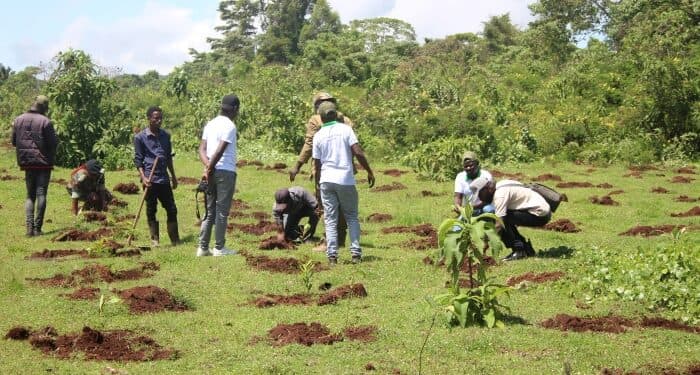
Trees for the Triangle unveiled an ambitious expansion of its tree planting program today, setting a target of 50,000 new trees in the Triangle by 2050. The Raleigh based nonprofit has planted roughly 4,000 native trees to date and is leveraging a recent surge in donations and partnerships to ramp up work on school grounds and in neighborhoods with below average canopy cover.
The organization is already working with Wake County Public Schools and other nonprofits to place trees on campuses and in community spaces. Advocates say an equitable approach to planting can help lower neighborhood temperatures and begin to correct canopy disparities that grew from decades of development and uneven investment. For residents, those changes can translate into cooler streets, improved shading for homes, and long term benefits for stormwater management and air quality.
The announcement puts pressure on local institutions to coordinate land use, maintenance, and funding. Planting trees on public school property creates immediate logistical questions about watering, upkeep, and liability that will require collaboration between the nonprofit, the school system, and municipal governments. County and municipal planners will need to integrate new plantings into stormwater plans, right of way policies, and urban canopy targets to preserve gains over decades.
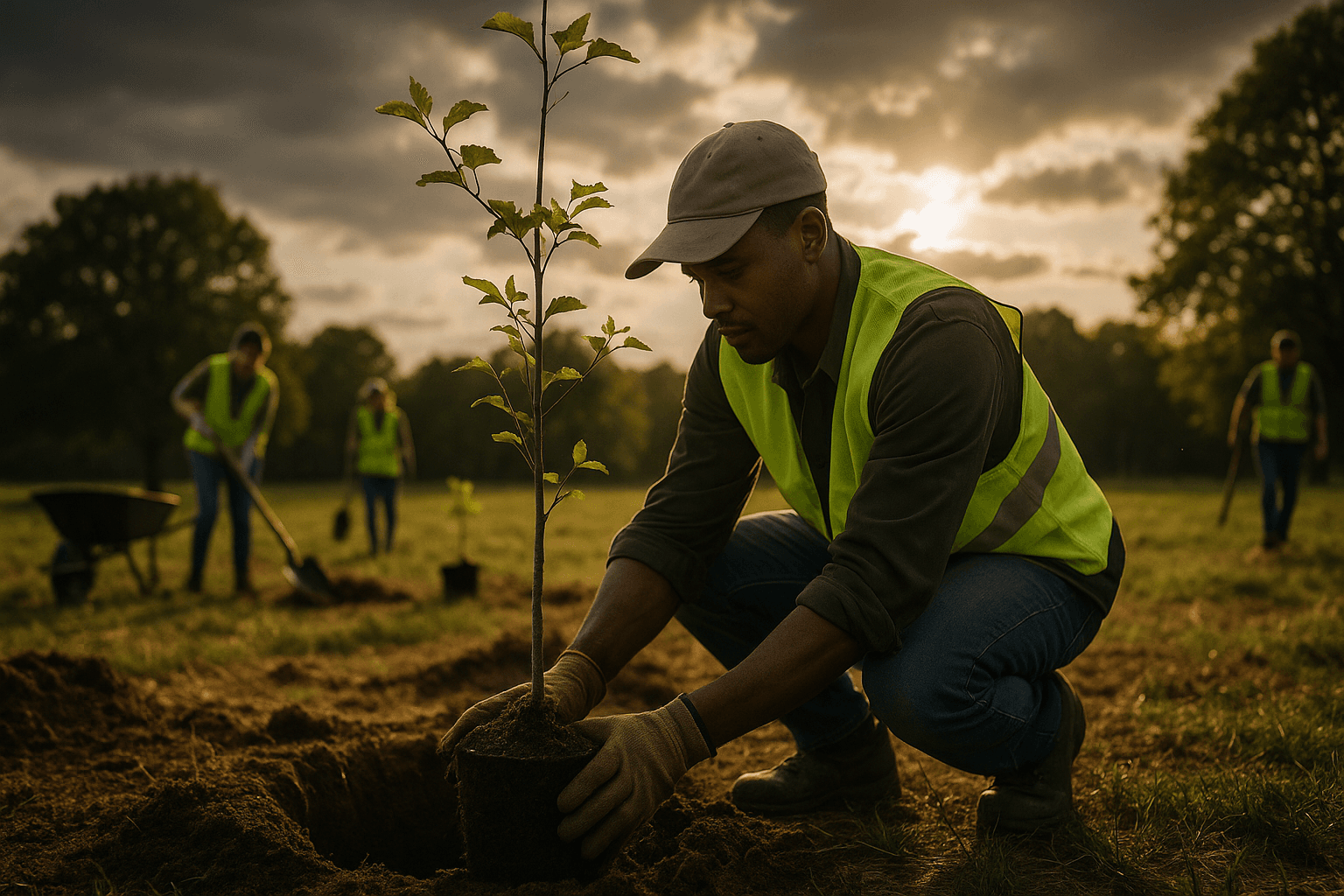
Equity sits at the center of the plan. Neighborhoods that lost canopy during periods of rapid development often also face higher temperatures and fewer green amenities. Trees for the Triangle intends to prioritize these areas, a strategy that will demand clear mapping of canopy gaps, public engagement to identify sites, and sustained funding for maintenance. Those same requirements open opportunities for voters and civic groups to influence priorities through school board meetings, county planning processes, and municipal budget decisions.
The nonprofit must scale volunteer recruitment, nursery capacity, and partner agreements to meet its target. For civic leaders and residents, the effort highlights a practical lever for local climate resilience and quality of life. As Trees for the Triangle expands, success will depend on durable partnerships, transparent tracking of canopy gains, and policy choices by local governments that make planting a shared public responsibility.
Sources:
Know something we missed? Have a correction or additional information?
Submit a Tip