North Slope Borough Outlines Role Serving Eight Arctic Communities
The North Slope Borough presents an official overview of its mission, services, and the eight communities it serves, emphasizing coordination with tribes, cities, corporations, schools and businesses across a region spanning tens of thousands of square miles. That framework matters to residents because it defines who is responsible for education, emergency response, infrastructure planning and cultural preservation in remote Arctic communities.

The North Slope Borough frames itself as the municipal government responsible for providing essential services and coordinating governance across the Arctic communities of Utqiaġvik, Wainwright, Point Hope, Prudhoe Bay/Deadhorse area, Nuiqsut, Kaktovik, Atqasuk and Anaktuvuk Pass. The borough identifies its mission as supporting healthy communities economically, spiritually and culturally, and highlights a commitment to preserving Iñupiaq traditions alongside delivering education, emergency response and infrastructure planning.
That institutional role has concrete implications for residents. The borough operates from its seat in Utqiaġvik and provides links to departmental services that shape daily life: public works, health and social services, planning and zoning, and the school district. For families, educators and public safety officials, those departments determine how schools are governed, how roads and utilities are maintained, and how emergency services are coordinated across vast distances and extreme conditions.
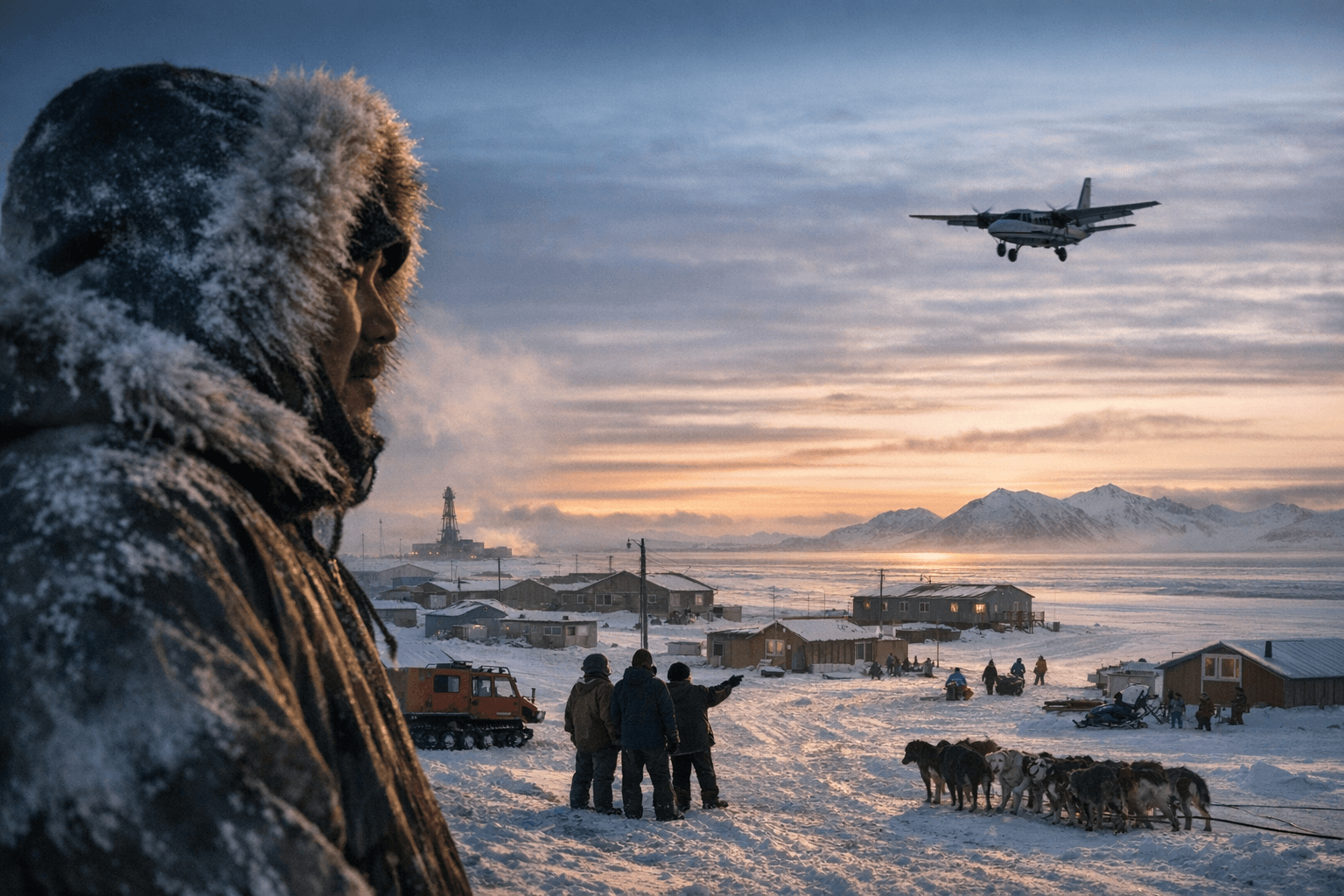
Geography is central to the borough’s governance challenge. Covering tens of thousands of square miles, the North Slope Borough must deliver services across widely dispersed communities, many of them accessible only by air or seasonal barge. That scale affects budgetary priorities, infrastructure timelines and the delivery of health and social services, and it amplifies the importance of intergovernmental coordination with tribal governments, city councils and regional corporations.
Policy decisions made by the borough and its partners will shape economic development and cultural preservation in the years ahead. Coordination with corporations and businesses linked to resource development, alongside tribal leadership and local governments, influences land use, emergency planning and revenue allocation. Residents and local institutions have a stake in planning and zoning outcomes, school district governance and public works projects that determine long-term quality of life.
Practical information for residents and visitors is part of the borough’s public outreach. The borough provides contact details for its offices, a mailing address and pointers for planning travel to remote Arctic communities, as well as links to department pages where residents can find services and submit concerns. For civic engagement, the borough’s structure means local elections, public meetings and department interactions are primary avenues for influencing planning and service delivery.
As the North Slope navigates development pressures and the needs of dispersed communities, the borough’s role as coordinator and service provider remains pivotal. Residents should monitor planning and school district activity, engage with tribal and borough processes, and use available departmental contacts to raise service and infrastructure priorities with local officials.
Sources:
Know something we missed? Have a correction or additional information?
Submit a Tip
%3Aquality(70)%2Fcloudfront-us-east-1.images.arcpublishing.com%2Fadn%2FI5ENYIGHINDLDHJTFIEJJQUS4I.jpg&w=1920&q=75)