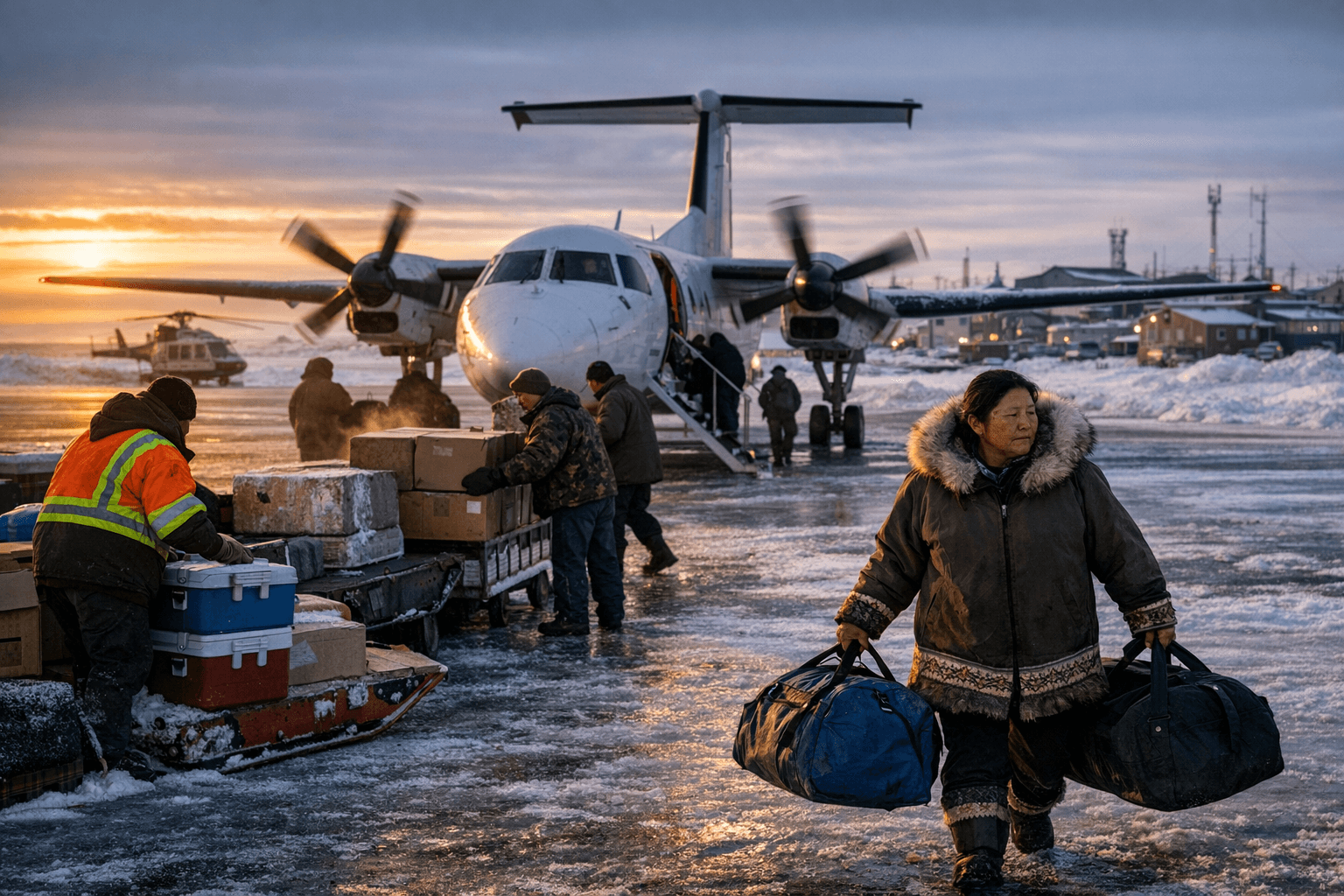
North Slope Subsistence Calendar and Safety Guidance for 2026
Seasonal subsistence activities on the North Slope follow a cycle tied to migrations, sea ice, and local whaling schedules, shaping food security and cultural life in Utqiaġvik, Point Hope, Wainwright, Prudhoe Bay area communities and inland villages. This report outlines when key hunts and harvests occur, who coordinates access and regulations, and why safety planning and timely coordination with local offices matter to residents.
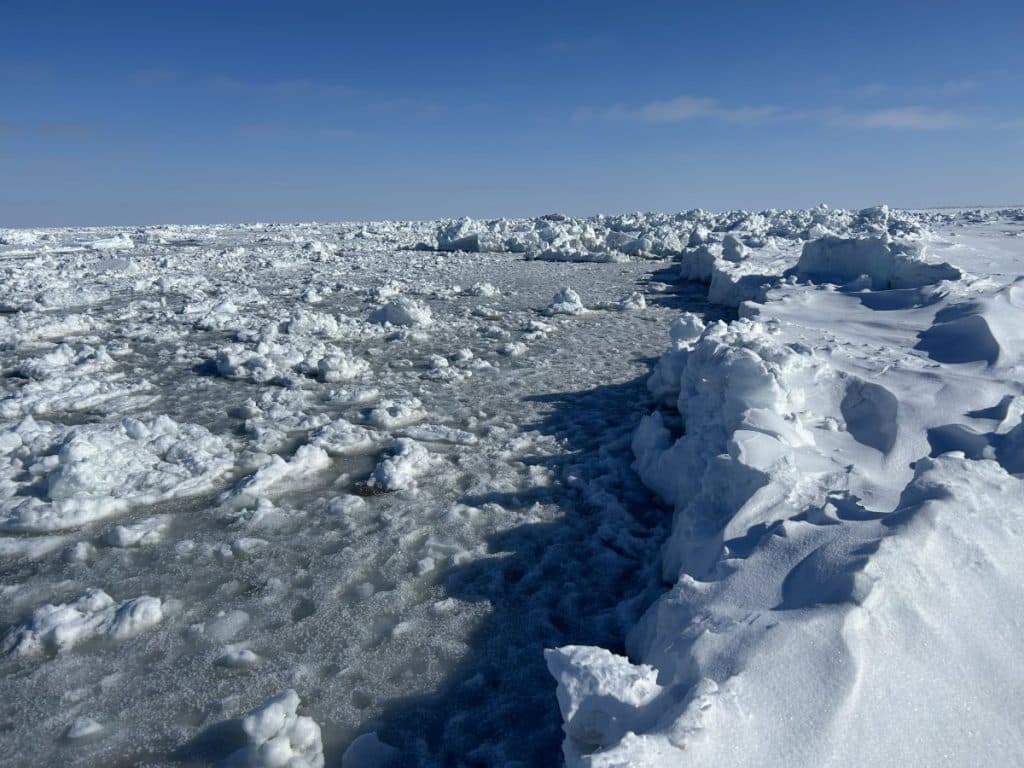
Seasonal rhythms determine subsistence activity across the North Slope. Spring hunting centers on sea mammals and spring migration resources; summer brings nearshore fishing, caribou and berry harvests; fall concentrates on caribou as herds migrate; and winter focuses on inland trapping and ice fishing and seal hunting. These patterns undergird local food security, cultural continuity, and cooperative community life.
Spring, roughly April through June, is the primary season for bowhead spring hunts near coastal communities, organized according to local whaling schedules and quotas. When safe travel routes open along the ice edge, hunters pursue seals and walrus and harvest migratory marine birds and nearshore fish. Summer, June through August, shifts activity to coastal and nearshore fishing, inland caribou and terrestrial mammal harvests, berry picking and plant gathering, and the barge or ship sealift season when bulk non-subsistence supplies arrive. Fall, typically September and October, sees caribou hunting peak as herds move and nearshore ice formation alters marine harvest patterns. Winter, November through March, emphasizes inland trapping, seal hunting through the ice, and community gatherings; safe travel depends on local knowledge of ice thickness and weather.
Management and access rest on a mix of authorities and local practice. State regulations administered through the Alaska Department of Fish and Game set seasons, bag limits, registration and reporting requirements; federal rules apply where jurisdiction requires; and locally developed harvest agreements and customary practices guide community sharing and cooperative hunts. Local tribal offices and Native corporations play active roles coordinating schedules, sharing harvest notices and organizing cooperative hunts. North Slope Borough offices, village councils and borough emergency services are central resources for safety briefings and community notices.
Safety remains a top priority. Residents should confirm ice conditions, carry communication plans and coordinate travel with village councils or search-and-rescue organizations before setting out. Check with local ADF&G area biologists, tribal councils and North Slope Borough notices for area-specific rules, registration deadlines and reporting requirements. For seasonal workers and agencies new to the region, connecting with local offices early in the season helps align activities with community schedules and conservation measures.
Understanding the seasonal calendar and who to contact reduces risk, supports sustainable harvests and strengthens community governance of subsistence resources on the North Slope.
Know something we missed? Have a correction or additional information?
Submit a Tip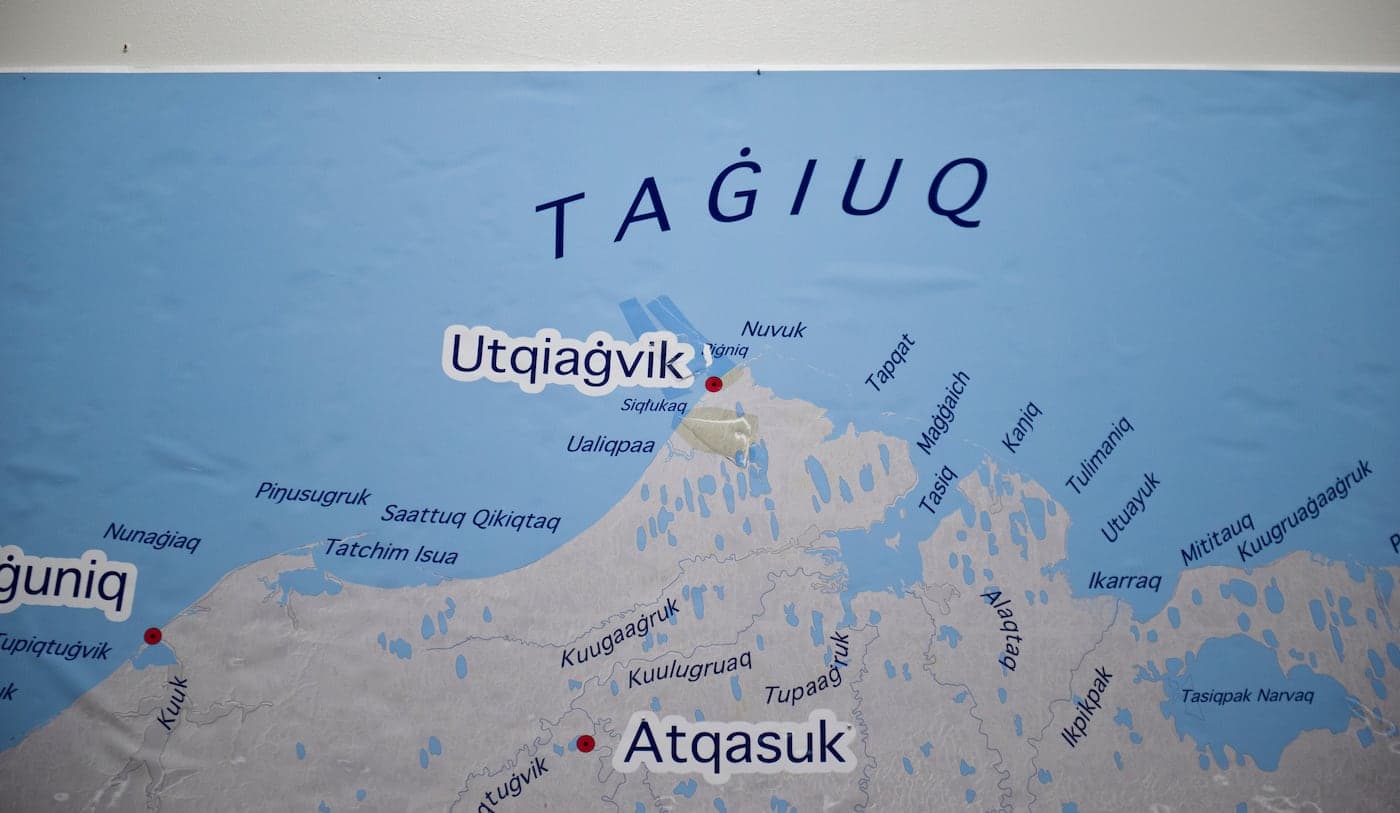
%3Aquality(70)%2Fcloudfront-us-east-1.images.arcpublishing.com%2Fadn%2FF7TKLQBGCZG45OATFMBSQEKIA4.jpg&w=1920&q=75)