North Summit Fire District Withdraws Tax Hike Proposal After Backlash
On December 9, 2025 the North Summit Fire District asked the Summit County Council to discontinue this year’s Truth in Taxation process after proposing a 4.56 percent property tax increase that would have generated about $100,000. The decision pauses a contested budget move, but residents now face potential cuts to fleet maintenance and deferred spending as the district reworks long term plans.
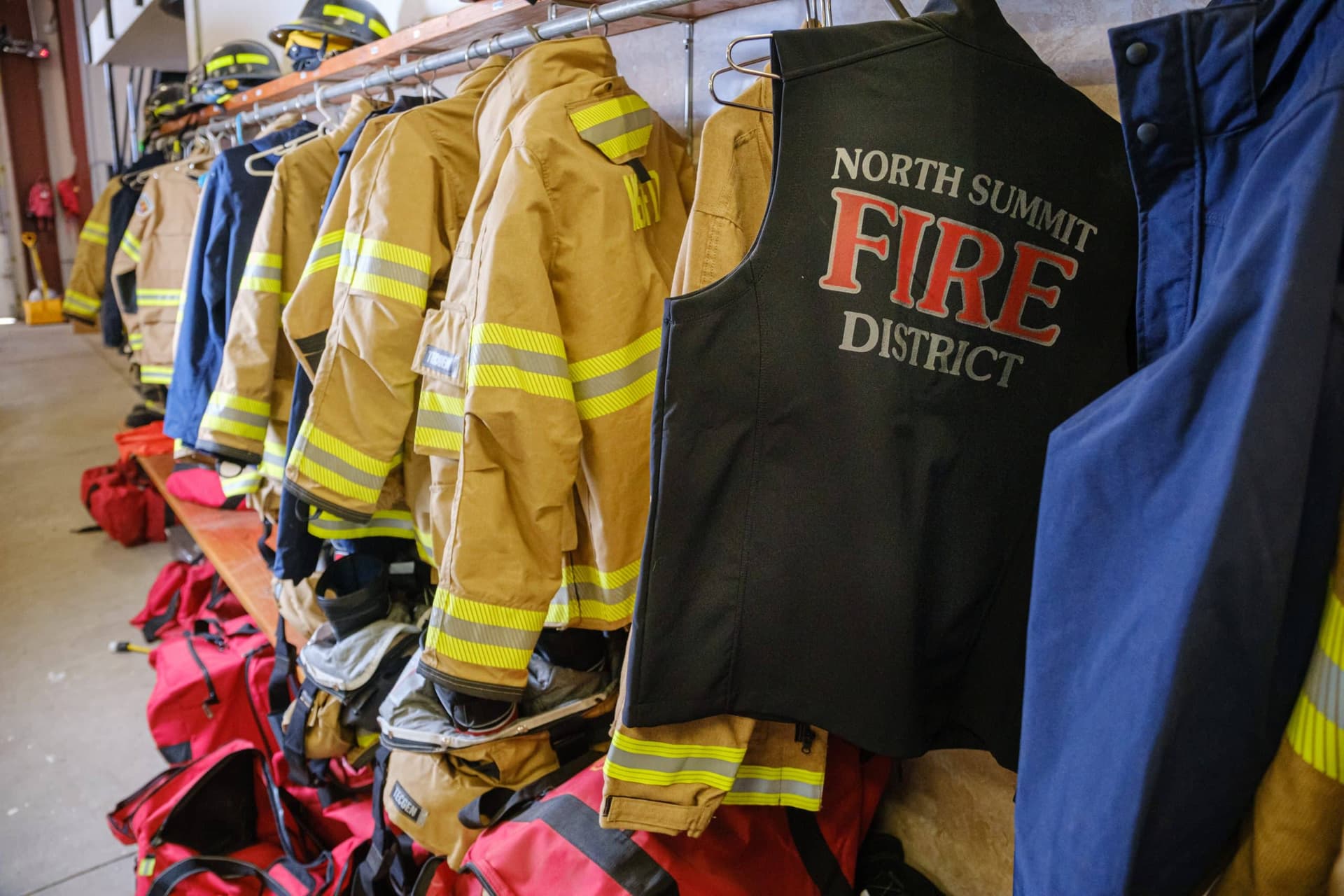
On December 9 the North Summit Fire District board reversed course and formally asked the Summit County Council to stop this year’s Truth in Taxation process, withdrawing a previously announced 4.56 percent property tax increase. The increase would have produced roughly $100,000 for the district and was described by district leadership as intended to cover inflation and routine operating costs rather than to expand services. Strong community opposition and updated financial projections prompted the board to pull the request so staff can rework the budget and capital plans.
District leadership said the money will be removed from the proposed 2026 budget and the district will curtail some fleet and maintenance spending as part of the adjustments. Those cuts are likely to ease immediate political pressure on property owners, while raising questions about equipment reliability and long term readiness. Independent fire districts rely primarily on property tax revenue for operations, so reductions in routine maintenance or deferred fleet purchases can carry implications for response capability and lifecycle costs.
Summit County Council Chair Tonja Hanson and county staff have discussed alternatives, including the distribution of emergency services sales tax grant funds to help fire districts. County grant funds are allocated through the county budget process and can provide temporary assistance, but they are one time funds and cannot replace ongoing operational revenue that underpins day to day services. That distinction matters for district planning because repeated reliance on one time grants can lead to budgeting instability and future gaps in service funding.

The county council will still formally accept or reject the board’s withdrawal request at its upcoming hearing. For residents, the immediate outcome is a halted tax increase, followed by a period of budget revision during which district leaders will decide what services or maintenance items to prioritize. The episode underscores the interaction between county level budget choices and the financial autonomy of independent fire districts, and it highlights the trade offs communities make between tax levels and the sustainability of emergency services.
Sources:
Know something we missed? Have a correction or additional information?
Submit a Tip