Utah Legislature Repeals Bill Limiting Public Employee Collective Bargaining
In a special session on December 9, 2025 lawmakers repealed the controversial HB267 that had barred public employee unions from collective bargaining, a move that came after labor groups gathered an unprecedented number of signatures to qualify a referendum. The repeal voided the pending referendum under Utah law and sets the stage for new negotiations between legislators, unions, and local officials ahead of the 2026 session, with direct consequences for Summit County public employees.
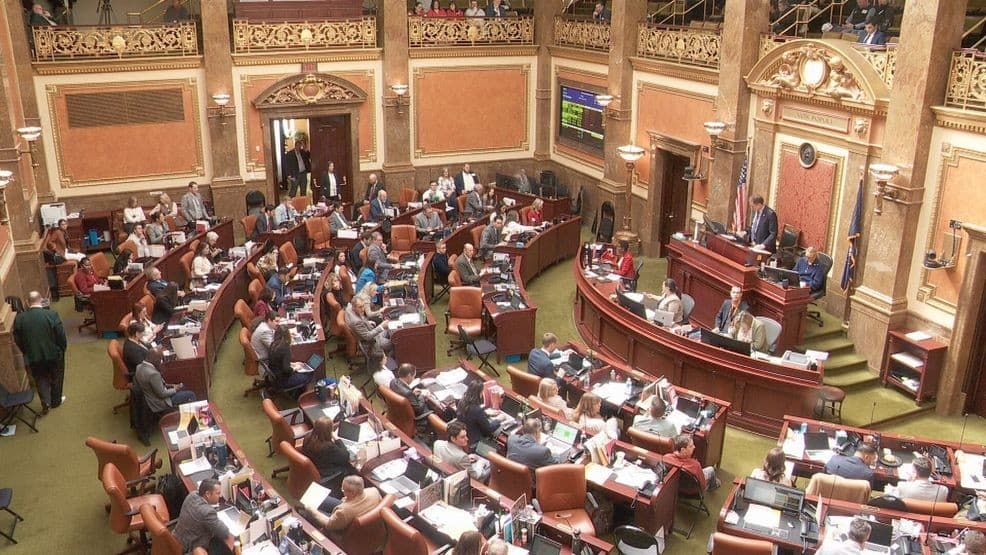
Utah lawmakers convened in a special session on December 9 and voted to repeal HB267, the statute that would have restricted collective bargaining by public employee unions. The repeal occurred after labor organizations completed a large signature drive that would have placed the law before voters through a referendum. Under state law a referendum cannot proceed on a statute that the legislature has repealed, so the repeal effectively nullified the citizen challenge.
Supporters of the original law framed HB267 as a measure to increase transparency and to give individual employees a greater voice in workplace decisions. Opponents warned that the statute would have gutted bargaining rights for teachers, firefighters, police officers, and other public workers. Those competing narratives shaped the intense public debate that preceded the special session and helped drive the unprecedented civic mobilization that brought the referendum effort to qualification.
For Summit County the immediate impact centers on labor relations in schools, emergency services, and county government. The repeal removed the new restrictions and halted the referendum, leaving familiar collective bargaining frameworks in place for the short term. Local school districts, the county administration, and public safety agencies are now watching the coming months as state leaders pledge to work with unions and stakeholders to develop policy options for the 2026 legislative session.

Institutionally the maneuver highlights how the legislature can respond to direct democracy by reversing policy rather than allowing a referendum to reach voters. That choice raises questions about the balance between representative decision making and citizen driven ballot challenges. It also underscores the role of organized civic engagement in shaping policy outcomes, as the signature drive prompted an expedited legislative response.
As policymakers draft alternatives for 2026, Summit County residents and public employees will need to follow negotiations closely. Changes under consideration could reshape bargaining processes, transparency requirements, and the administrative structures governing labor agreements across the state. The repeal concludes one chapter, but it opens a new period of negotiations that will determine how public sector labor relations are regulated going forward.
Sources:
Know something we missed? Have a correction or additional information?
Submit a Tip