Nvidia Considers Boosting H200 Output as China Demand Surges
Nvidia is weighing an increase in production of its H200 AI accelerators after Chinese orders reportedly outstripped current supply, a development driven by a recent U.S. decision to permit conditional exports with a 25 percent fee. The move could reshape the global AI hardware market, intensify competition for advanced chipmaking capacity, and place Beijing and Washington at the center of a new commercial and strategic negotiation.
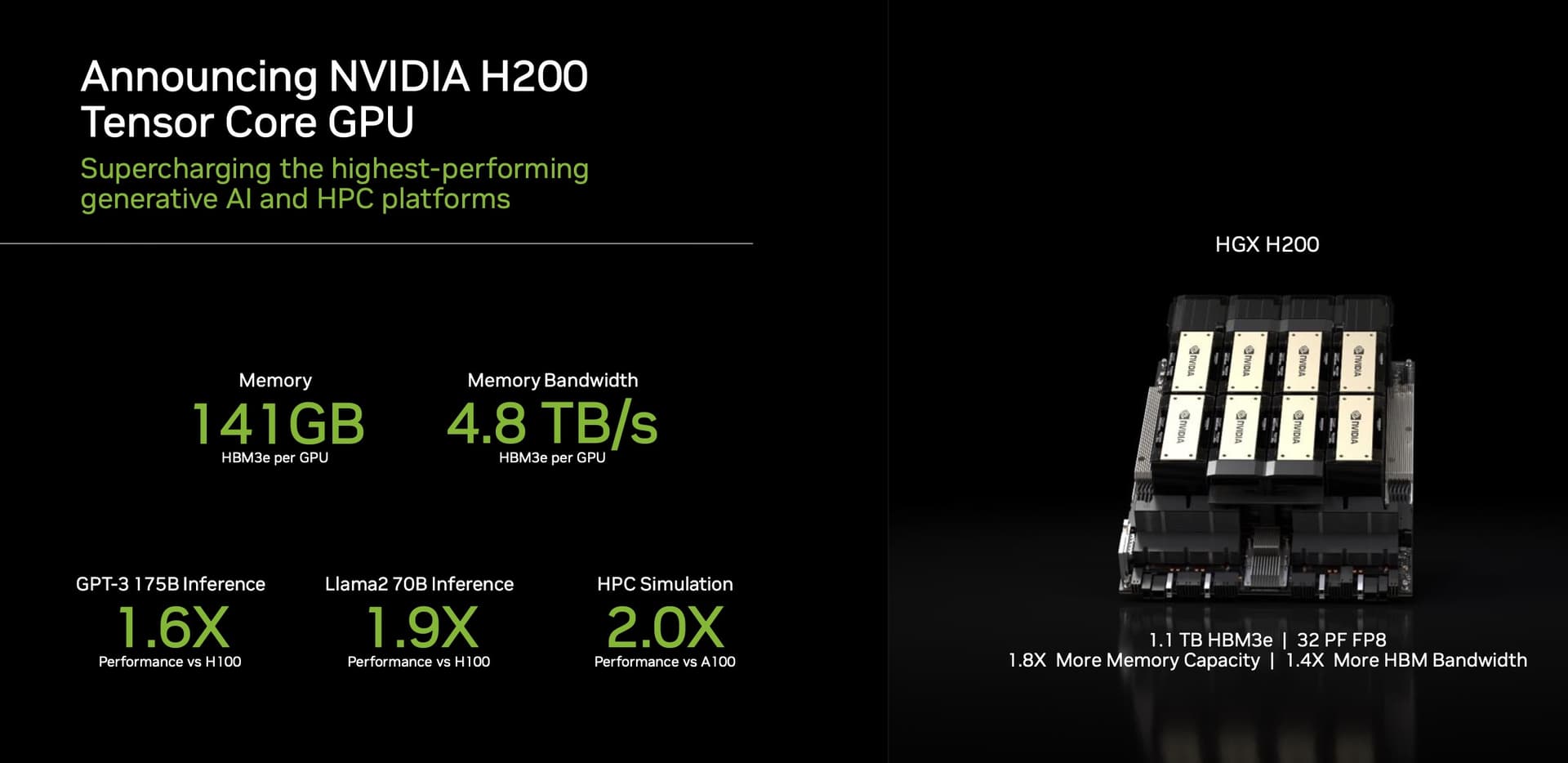
Nvidia is evaluating whether to add manufacturing capacity for its H200 AI accelerators after orders from Chinese customers exceeded the chip’s current output, according to two people briefed on the matter, Reuters reported on December 12. The deliberations come after a shift in U.S. policy that allows conditional exports of the H200 to China under a framework that levies a 25 percent fee on those sales.
The H200 is a Hopper generation accelerator built on Taiwan Semiconductor Manufacturing Company’s four nanometer process and paired with high capacity HBM3e memory. Reporting by Reuters and other outlets indicates that only limited volumes are currently in production, in part because Nvidia has been directing advanced wafer capacity toward newer Blackwell GPUs and preparing for the Rubin platform. Those priorities create direct competition for scarce TSMC resources and complicate any rapid expansion of H200 supply.
Major Chinese technology firms including Alibaba and ByteDance have already reached out to Nvidia about purchasing H200s and are said to be keen to place large orders. Chinese regulators convened representatives from Alibaba, ByteDance and Tencent to assess demand and told those companies they would be informed of the government’s decision soon. The Chinese government has in recent months barred government funded data centres and some domestic tech companies from buying Nvidia chips, a restriction that eroded Nvidia’s market share in China and heightened appetite among local firms for access to advanced accelerators.
U.S. deliberations earlier this month weighed a range of export scenarios, from broad permission to a full ban. President Donald Trump backed a policy that cleared H200 exports while holding back Nvidia’s newest chips for U.S. customers, a choice described in reporting as influenced by assessments of comparative risk and market realities, including the existence of Huawei systems with comparable performance. The policy’s 25 percent fee is intended to be part of the export framework, multiple reports said.
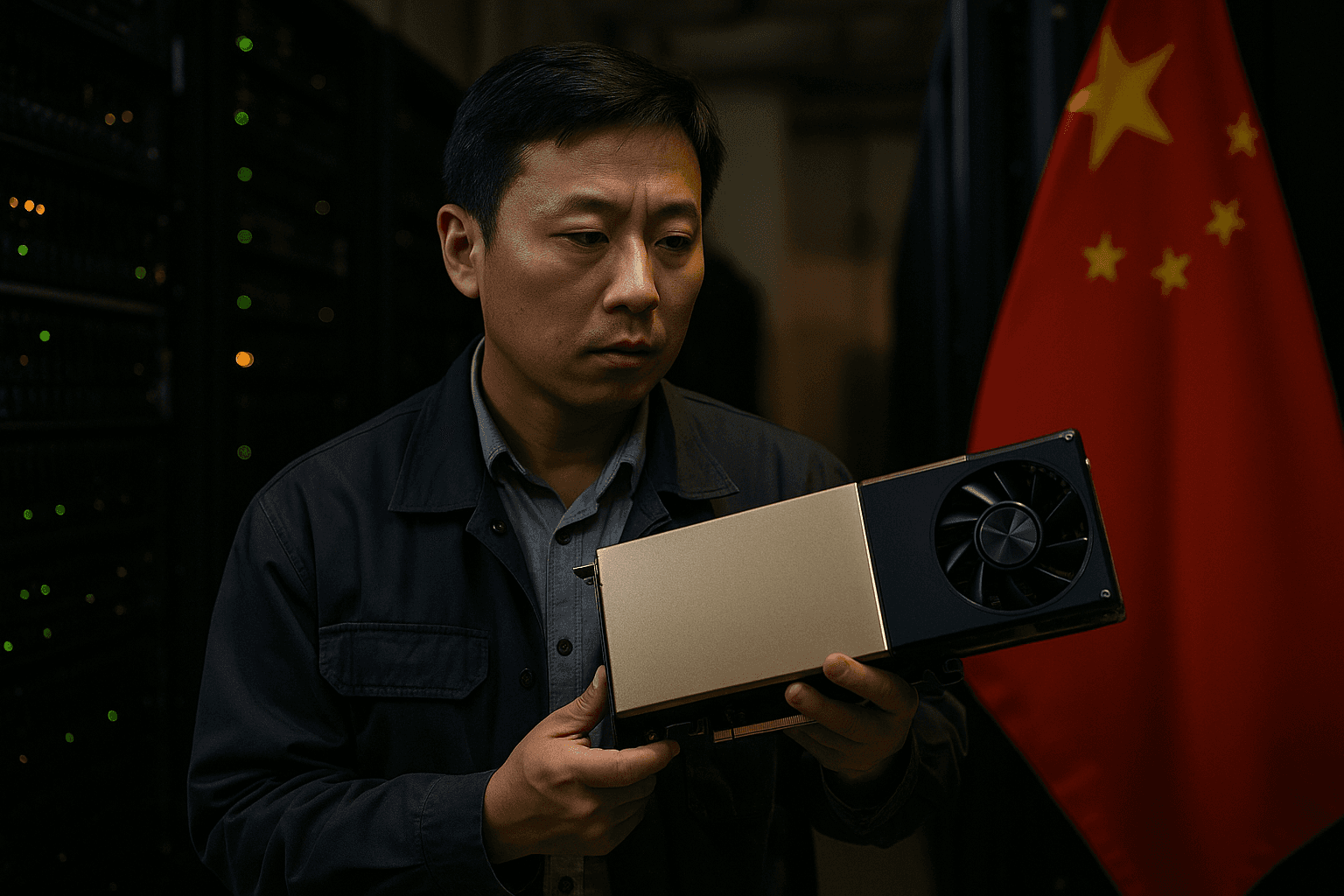
Sources told Reuters that the demand from Chinese companies is so strong that Nvidia is "leaning toward" adding new H200 capacity. The company has briefed Chinese clients and is evaluating options to increase supply after orders exceeded present production, the people said. Nvidia did not immediately respond to requests for comment. The sources spoke on condition of anonymity because discussions were private.
Any expansion would force a complex balancing act. Nvidia must decide how to allocate finite manufacturing slots at TSMC between H200 and its Blackwell and Rubin programs. TSMC’s production schedule and the willingness of the Chinese government to approve purchases will also shape outcomes. For China’s cloud providers and internet giants, securing H200 chips could accelerate AI services and research, but purchases will carry economic and political implications given the export fee and the geopolitical spotlight on advanced semiconductors.
The situation remains fluid. Beijing has not yet publicly responded to the U.S. policy adjustment, and Nvidia’s final choices will be guided by negotiations with suppliers, customers and regulators on both sides of the Pacific.
Sources:
Know something we missed? Have a correction or additional information?
Submit a Tip
&w=1920&q=75)