Oracle Rejects Bloomberg Claim of OpenAI Data Center Delays
Oracle on Dec. 12 rejected a Bloomberg report that it had postponed completion of some OpenAI data centers to 2028, saying all contracted sites remain on schedule. The dispute drove sharp, short term stock movement and underscored investor concern about the cost and timing of large scale AI infrastructure builds.
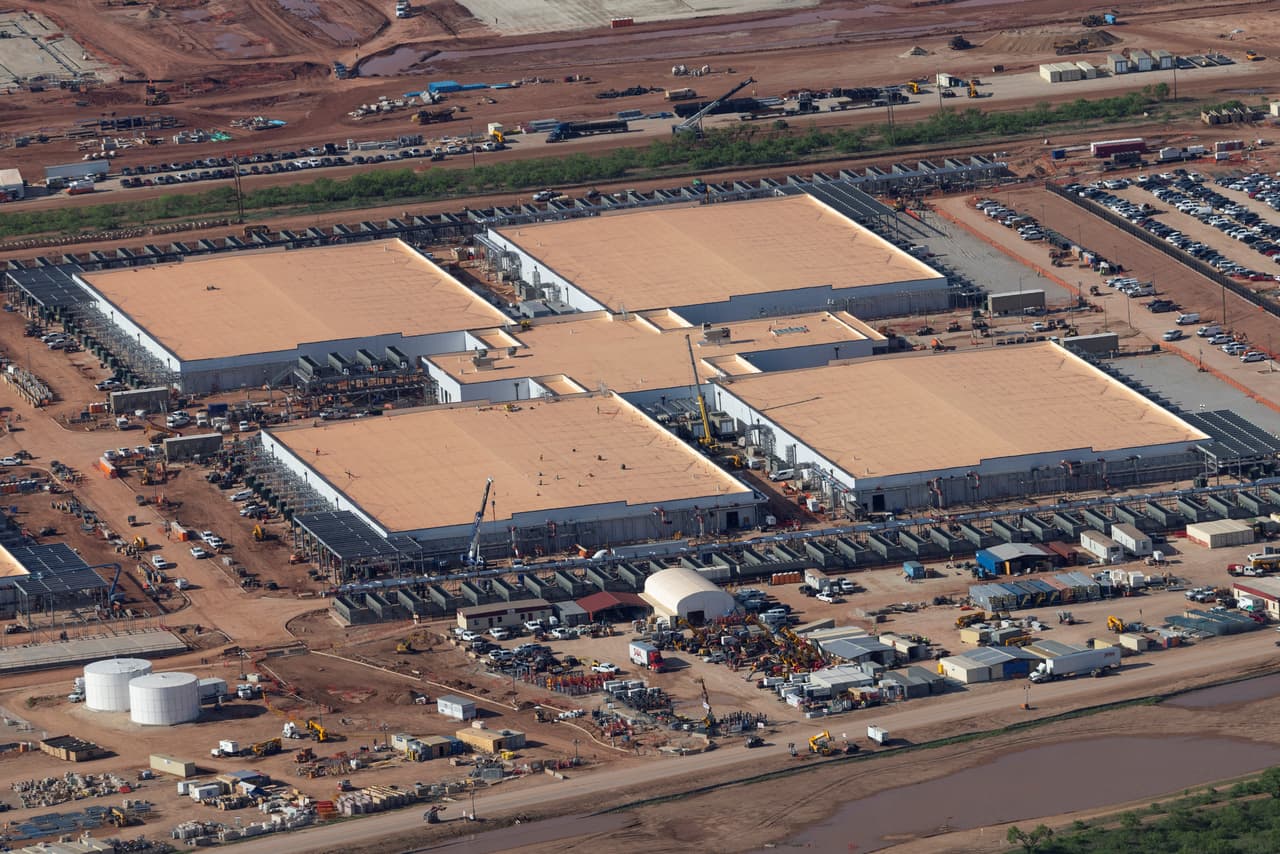
Oracle moved quickly on Dec. 12 to rebut a Bloomberg News report that said some data-center buildouts for OpenAI had been pushed from 2027 to 2028. Bloomberg cited unnamed people familiar with the matter and attributed the alleged postponements to shortages of labor and materials. Oracle said there have been no delays to any sites required to meet its contractual commitments and that milestones remain on track.
A company spokesperson told Reuters the firm had no delays to any sites. In an emailed statement carried by multiple outlets Oracle said, “Site selection and delivery timelines were established in close coordination with OpenAI following execution of the agreement and were jointly agreed. There have been no delays to any sites required to meet our contractual commitments, and all milestones remain on track. We remain fully aligned with OpenAI and confident in our ability to execute against both our contractual commitments and future expansion plans.”
The Bloomberg article triggered immediate market reaction. CNBC reported Oracle’s shares closed down more than 4 percent on the day the Bloomberg piece circulated. Investopedia said the stock fell another 4.5 percent to levels not seen since June. Stocktwits recorded intraday volatility, noting shares fell as much as 6 percent in mid-day trade before paring losses. Reuters framed the Bloomberg report as arriving one day after Oracle suffered its biggest stock drop since late January following quarterly earnings.
The episode highlights how reports about construction timing can ripple through markets and raise questions about the economics of rapid AI infrastructure expansion. Oracle’s rapid pivot this year into AI infrastructure on the strength of a large OpenAI agreement has required heavy borrowing, and several outlets have pointed to heightened investor scrutiny of aggressive capital spending tied to AI. One report has described the OpenAI data-center agreement as a $300 billion deal that has substantially increased Oracle’s exposure to OpenAI, though coverage of the deal has varied.
Analysts quoted by Reuters said that if Bloomberg’s account were accurate, delayed buildouts would suggest bottlenecks beyond semiconductor shortages, including labor and materials, for the enormous data-center expansions cloud providers and their customers are financing. Oracle and other companies did not corroborate that analysis, and Oracle’s repeated denials left the company’s official position clear: contracted timelines remain intact.
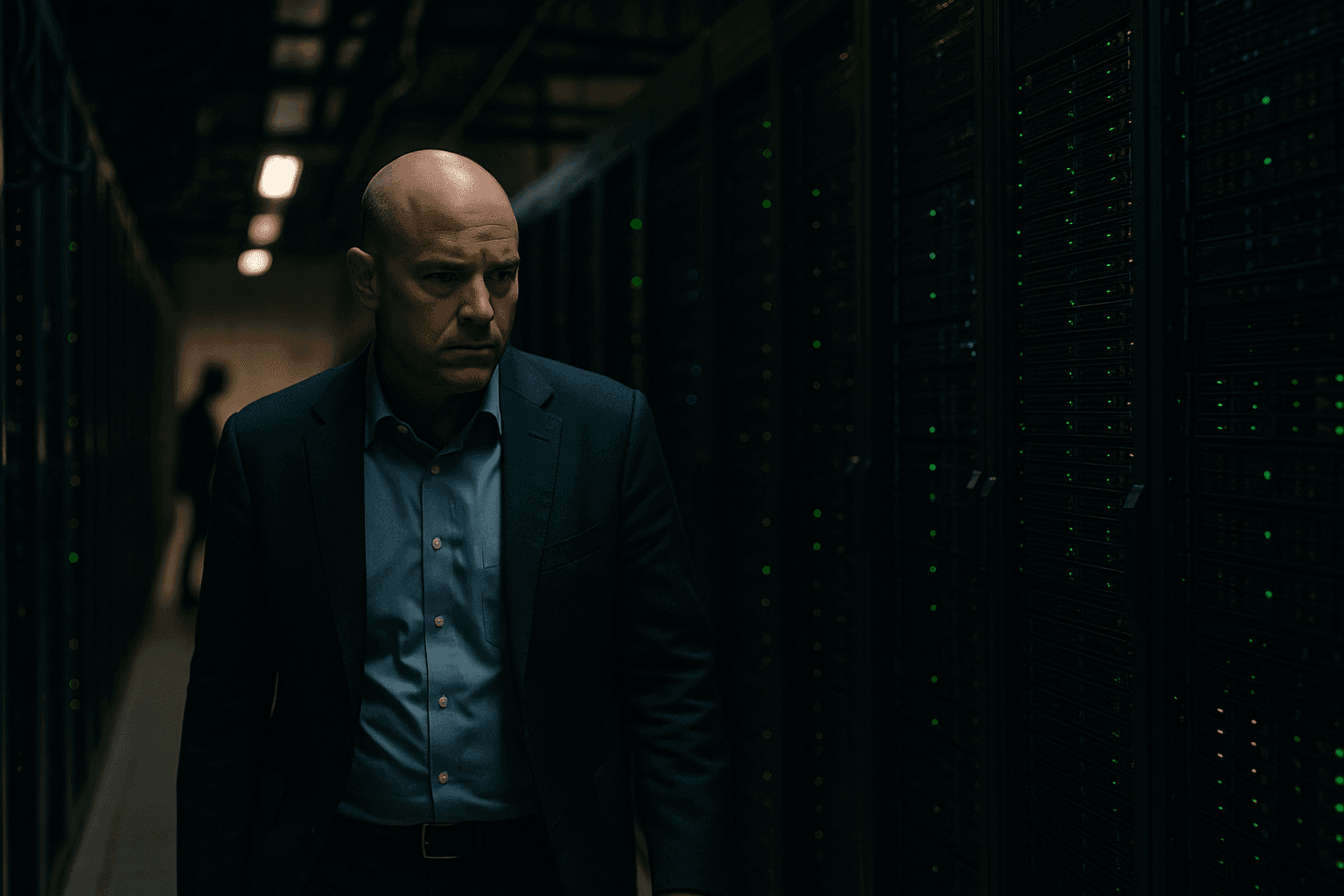
OpenAI did not immediately respond to Reuters’ request for comment. The dispute also put a spotlight on visible corporate activity tied to the buildouts, including media tours of Oracle’s Stargate AI data center in Abilene, Texas, where Oracle CEO Clay Magouyrk was photographed on Sept. 23, 2025.
For investors and industry watchers the episode reinforced ongoing tensions in the market. Rapid scaling of AI compute capacity promises future revenue, but it also concentrates risk in long lead time projects that can sway share prices and force companies to manage large financing commitments while demonstrating near term returns. Oracle’s denials on Dec. 12 closed the chapter on the specific Bloomberg claim for now, but the underlying questions about timing, supply chains, and the financial calculus of AI infrastructure remain active.
Sources:
Know something we missed? Have a correction or additional information?
Submit a Tip
&w=1920&q=75)