Oregon Community Foundation Grants Boost Baker County Nonprofit Services
The Oregon Community Foundation awarded $22,000 to two Baker County organizations as part of its 2025 fall Community Grants cycle, providing $12,000 for a part time food bank manager and $10,000 for community outreach around dementia support. The funding aims to strengthen local capacity for food assistance and caregiver outreach, supporting services that many county residents rely on.

On December 9, 2025 the Oregon Community Foundation announced awards from its fall Community Grants cycle that included $22,000 directed to two Baker County organizations. The Northeast Oregon Compassion Center received $12,000 to support a part time food bank manager, while Dementia Friendly Baker County received $10,000 for community outreach work. Those local awards were part of a broader fall round that disbursed roughly $5.1 million statewide and prioritized small capital projects, capacity building and program expansion.
The immediate effect in Baker County will be to strengthen the administrative and outreach capacity of two organizations that provide direct services to residents. The Compassion Center plans to use its award to fund a part time manager position to oversee food assistance operations, a role expected to improve distribution logistics and volunteer coordination. Dementia Friendly Baker County will direct its $10,000 to community outreach aimed at residents and caregivers, which may expand education, referral pathways and local support networks.
These grants reflect a targeted philanthropic strategy that favors investments likely to increase access to education, health services, economic opportunity and arts and culture in both rural and urban communities. For Baker County the investments are small in dollar terms but carry outsized operational significance. Smaller nonprofits in rural areas often face capacity constraints that limit their ability to scale programs or respond to spikes in demand. Funding for staff time and outreach can unlock larger gains in program efficiency and reach.
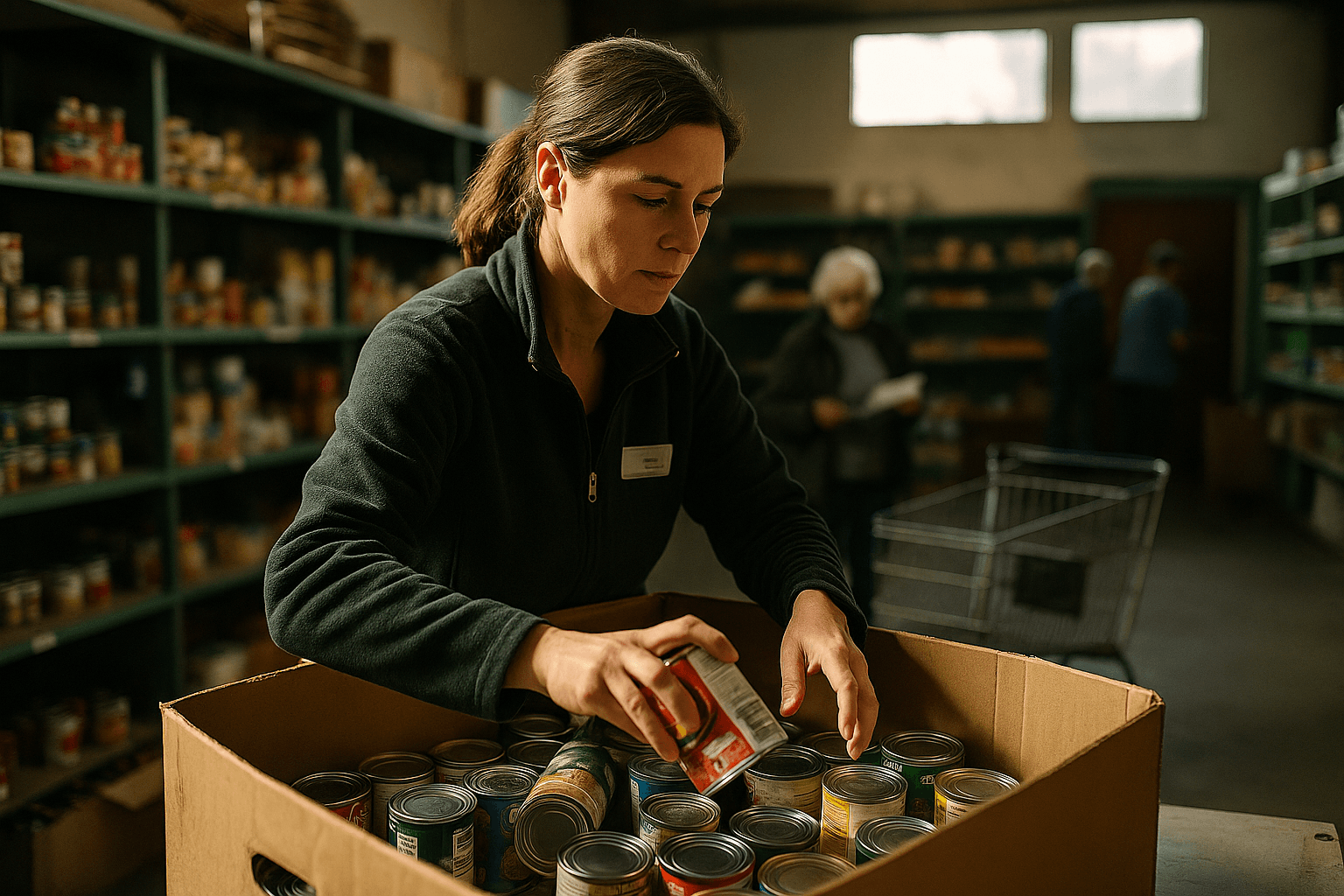
For local residents the practical implications include potentially improved food distribution schedules, more consistent volunteer oversight, and expanded caregiver outreach programming. Those changes can reduce service gaps for older adults living with dementia and for households experiencing food insecurity.
Looking ahead local leaders and nonprofit stakeholders will monitor how these grants translate into service improvements and whether modest capacity investments can be sustained or scaled. The fall awards illustrate one pathway for strengthening community services through targeted philanthropic support, complementing public and private efforts to meet local needs.