Oregon DMV Prioritizes Rural Residents for Behind-the-Wheel Tests
The Oregon DMV announced a new scheduling policy, effective Jan. 1, 2026, that gives priority for behind-the-wheel drive test appointments to local applicants in 20 rural counties. The change, driven by Senate Bill 9, aims to reduce long-distance travel and scheduling barriers that have made licensing harder for rural residents.
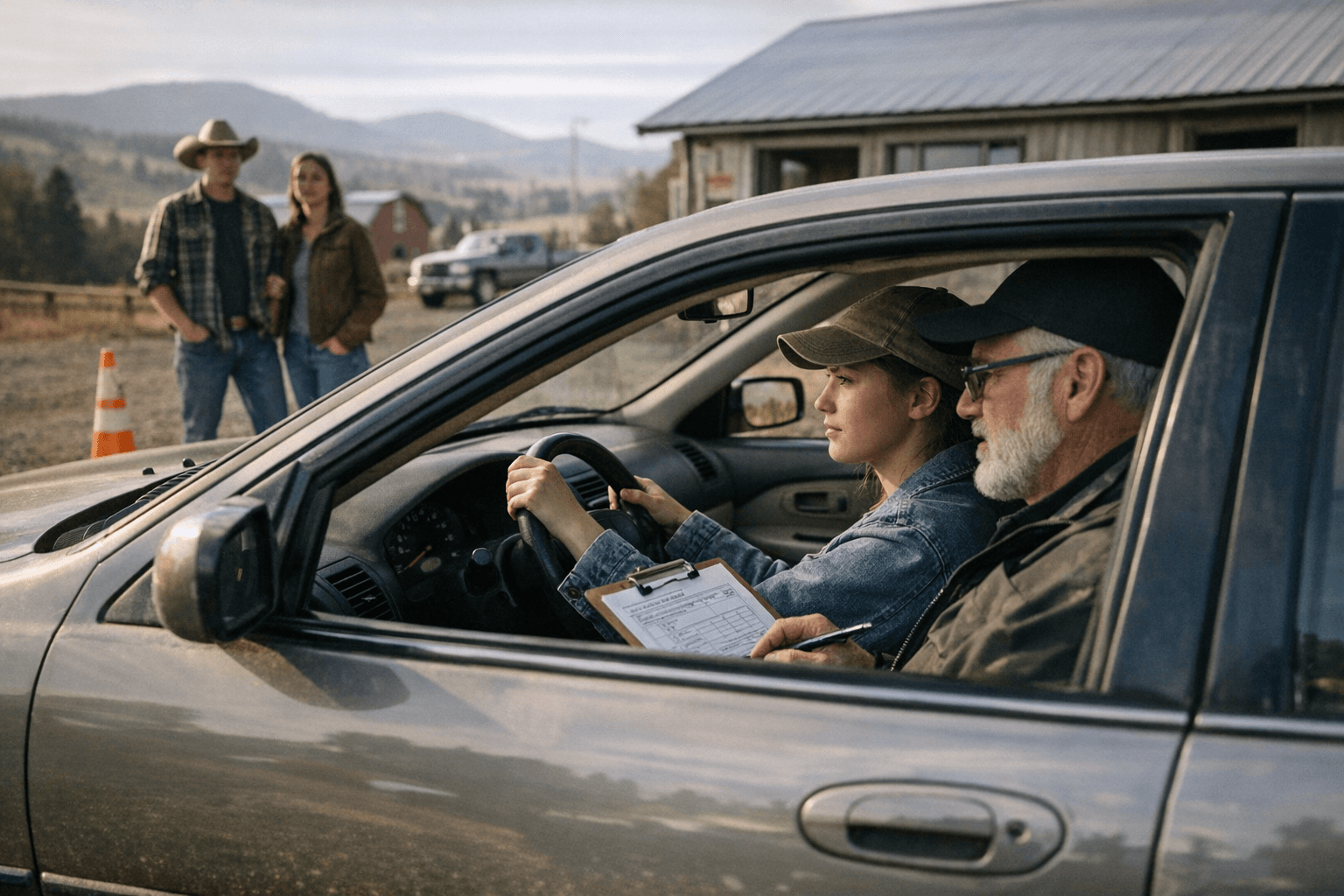
The Oregon Department of Motor Vehicles announced today a priority-scheduling policy intended to ease access to behind-the-wheel drive tests for applicants in 20 designated rural counties. The policy, which took effect Jan. 1, 2026, directs DMV field offices in those counties to give appointment preference to applicants who live in the same county as the field office, who live within 50 miles of a field office, or who live in one of two counties that do not have a DMV office.
State officials said the move responds to a pattern in which drive test appointments in sparsely populated regions have been booked by out-of-county customers, leaving local residents with long drives and long waits to complete licensing requirements. DMV Administrator Amy Joyce said the policy aims to improve access to drive tests for residents of sparsely populated areas where available drive test appointments have historically been taken by out-of-county customers.
For Baker County residents, the policy could translate into fewer long round trips to reach a testing site and shorter waits for test dates if Baker County is among the designated rural counties or if residents live within the 50-mile eligibility band. Rural Oregonians often face considerable extra costs for licensing, including fuel, time off work, and arranging child care. Prioritizing local applicants seeks to reduce those burdens and make driver licensing more practical for people who rely on personal vehicles for work, health care access, and daily life.
The change flows from Senate Bill 9, which directed the DMV to adopt measures improving access to licensing services in rural areas. By adjusting scheduling priorities at the field office level, the DMV aims to balance demand and better serve residents of low-density counties without necessarily expanding permanent office locations.
Residents who need behind-the-wheel testing should contact their nearest DMV field office to confirm whether their county is included in the designated list and to learn how the new priority rules will affect scheduling. The policy represents a modest administrative shift that could have an outsized effect on daily mobility for rural households, reinforcing the link between state policy choices and practical access to essential services in Baker County and across rural Oregon.
Sources:
Know something we missed? Have a correction or additional information?
Submit a Tip

