OSHA Guidance Clarifies How Dollar General Workers Can Report Hazards
Federal workplace safety guidance lays out practical steps Dollar General employees can use to report unsafe or unhealthful conditions, request inspections, and file whistleblower complaints. The guidance matters because retail workers face on site risks and may fear retaliation, and it clarifies filing channels, anonymity options, inspection priorities, and protections.
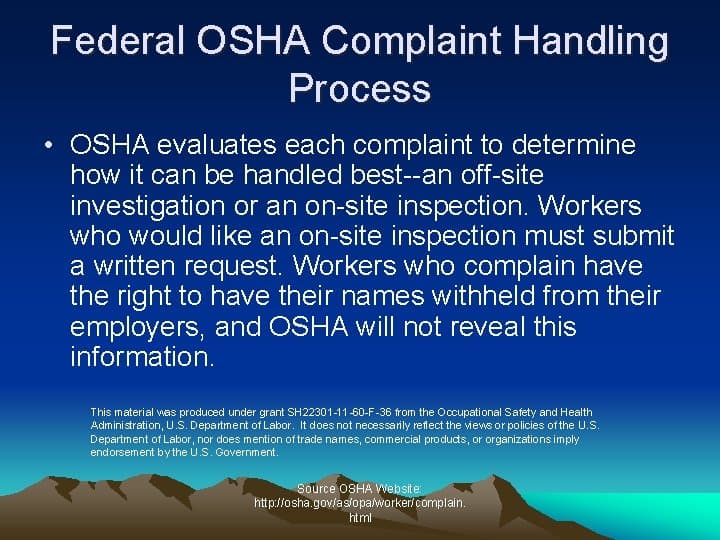
Federal Occupational Safety and Health guidance provides a clear roadmap for retail workers, including Dollar General employees, who encounter unsafe or unhealthful working conditions. The guidance emphasizes that workers may and should raise hazards with their employer first when it is safe to do so, and it outlines multiple ways to bring unresolved concerns to OSHA for investigation.
Workers can file complaints online, by phone at 1 800 321 6742, by fax, by mail, or in person. OSHA accepts anonymous complaints and will take complaints submitted in any language. Formal, signed complaints that allege serious or imminent danger are prioritized for on site inspections, and OSHA maintains a searchable inspection history that employees can consult to learn whether their store or company has had prior inspections or violations.
The guidance also explains protections against employer retaliation. Workers who believe they were retaliated against for reporting safety hazards may file whistleblower complaints with OSHA, but strict filing time limits apply. OSHA procedural directives and an FAQ provide practical details on how complaints are processed, what evidence is needed for different types of filings, and how investigators prioritize cases.
For Dollar General employees this guidance can change how day to day safety issues are handled. Raising hazards internally may resolve many problems quickly, but knowing the full range of filing options reduces barriers when conditions persist or when workers fear reprisals. The ability to file anonymously and in preferred languages addresses common obstacles for frontline retail staff, who are often hourly and may have limited job security.
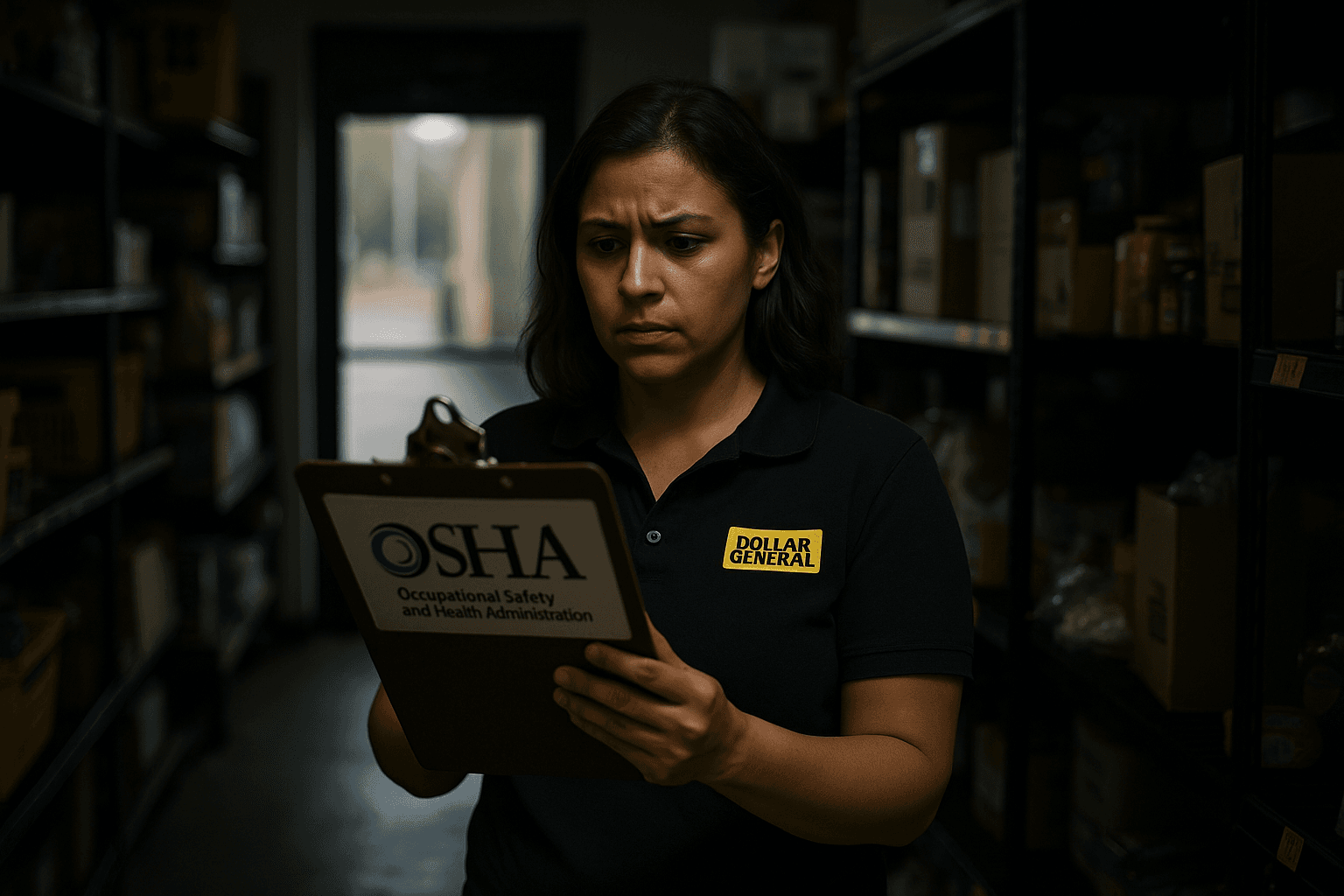
The presence of a public inspection history and formal whistleblower procedures may also shift workplace dynamics. Store managers and corporate safety teams may respond more promptly to reported hazards to avoid inspections or citations, and workers who use OSHA channels can expect a formal record and potential remedies for retaliation if filings meet statutory requirements.
Employees seeking more information can consult OSHA resources online at osha.gov or contact OSHA by phone at 1 800 321 6742 to learn how to file a complaint, request an inspection, or get information about whistleblower protections.
Sources:
Know something we missed? Have a correction or additional information?
Submit a Tip