OSU warns Dirty Dozen invasive plants threaten Texas County rangeland
Oklahoma State University Extension issued guidance on December 4, 2025 identifying the so called Dirty Dozen as major invasive threats to rangeland across Oklahoma, including Texas County. The notice highlighted impacts on forage availability, livestock productivity, wildlife habitat and wildfire risk, and urged landowners to pursue site specific control plans with their county OSU Extension office.
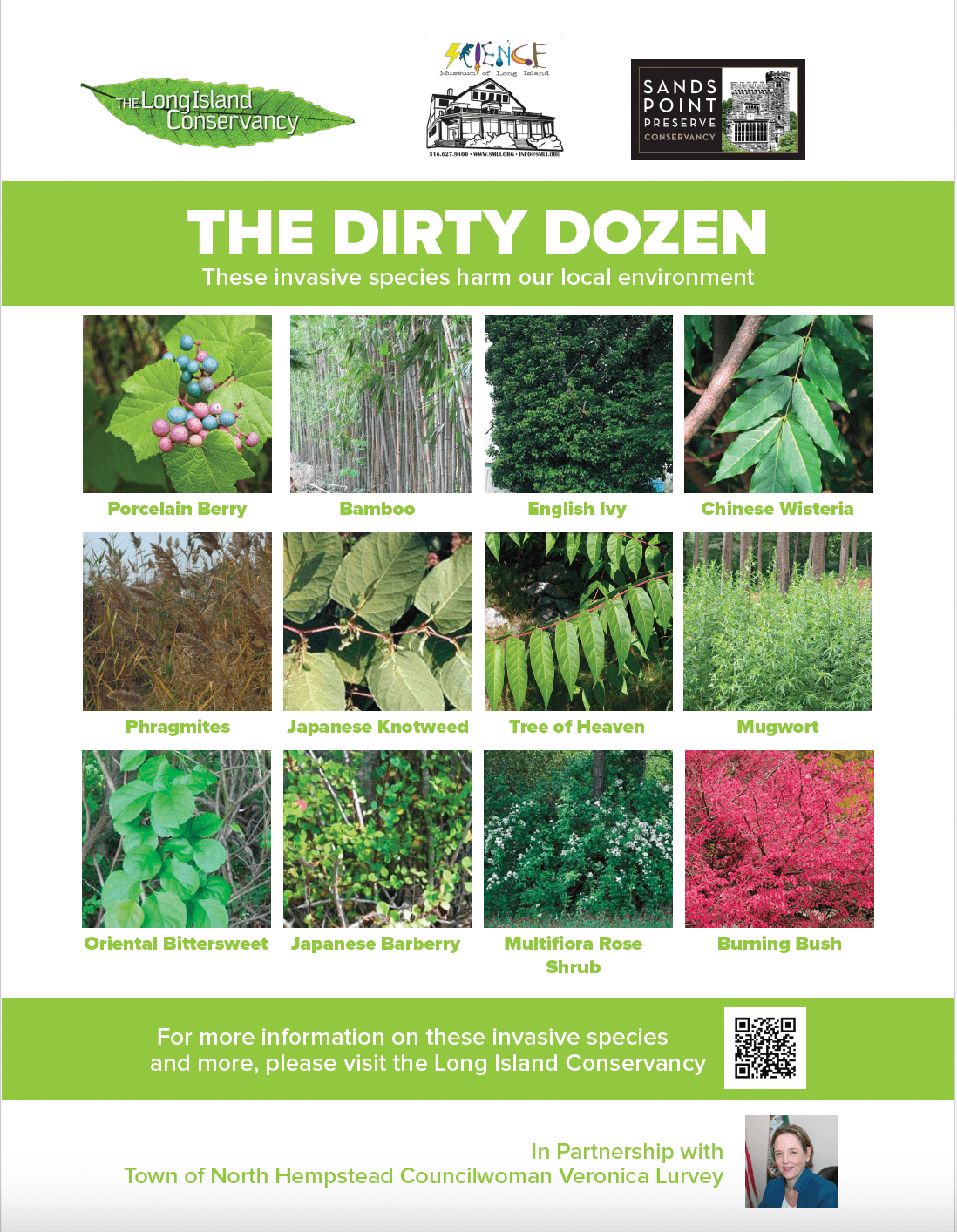
Oklahoma State University Extension issued a statewide advisory on December 4 detailing risks posed by a group of invasive plant species commonly called the Dirty Dozen, which in practice includes 13 species. The guidance singled out eastern redcedar as particularly damaging, and warned that these invasives reduce forage for cattle, lower livestock productivity, fragment wildlife habitat and raise wildfire risk on rangeland in Texas County and beyond.
The Extension outlined three broad infestation categories, described as light, medium and severe, to help land managers assess priority and timing for intervention. Several plants in the group carry legal designations as noxious weeds in Oklahoma, with musk thistle, scotch thistle and Canada thistle cited as examples that carry regulatory obligations for control in some circumstances. The advisory described a range of control tools, including prescribed fire, targeted herbicide treatments, and manual digging and disposal for smaller infestations, while emphasizing that effective treatment varies by species, season and landscape context.
For Texas County landowners the guidance matters for both economic and public safety reasons. Reduced forage and slower weight gain translate into direct costs for producers. Dense stands of eastern redcedar and other woody invaders increase the speed and intensity of rangeland fires, raising exposure for homes, infrastructure and emergency responders. The advisory reinforces that control is not solely an individual choice, since infestations can spread across property lines and erode the county wide value of working grasslands and wildlife habitat.
Institutionally, the release highlights the advisory role of OSU Extension and the complementary regulatory responsibilities of state agencies and local conservation districts. Local policymakers will face decisions about funding for outreach, fuel reduction and cost share programs that help producers implement recommended treatments. County commissioners and conservation district boards should consider aligning weed control budgets and wildfire mitigation plans with Extension priorities to increase efficiency and reduce long term costs.
Practical next steps for residents include contacting the Texas County OSU Extension office for species specific treatment plans and scheduling, reviewing state noxious weeds lists and invasive species watchlists to confirm legal obligations, and coordinating with neighbors through conservation district meetings to address cross boundary infestations. The Extension advisory frames these invasives as an ongoing management challenge that calls for coordinated, evidence based local action.