Owsley County Outdoor Assets Drive Local-Scale Tourism Growth
Owsley County’s river access, forest roads, and trailheads are central to a growing focus on low-impact outdoor recreation that supports Booneville businesses and nearby communities. These public resources - including access to the South Fork of the Kentucky River and connections to Daniel Boone National Forest management units - offer fishing, paddling, hunting, hiking, and wildlife viewing that matter for local economies and land-management planning.
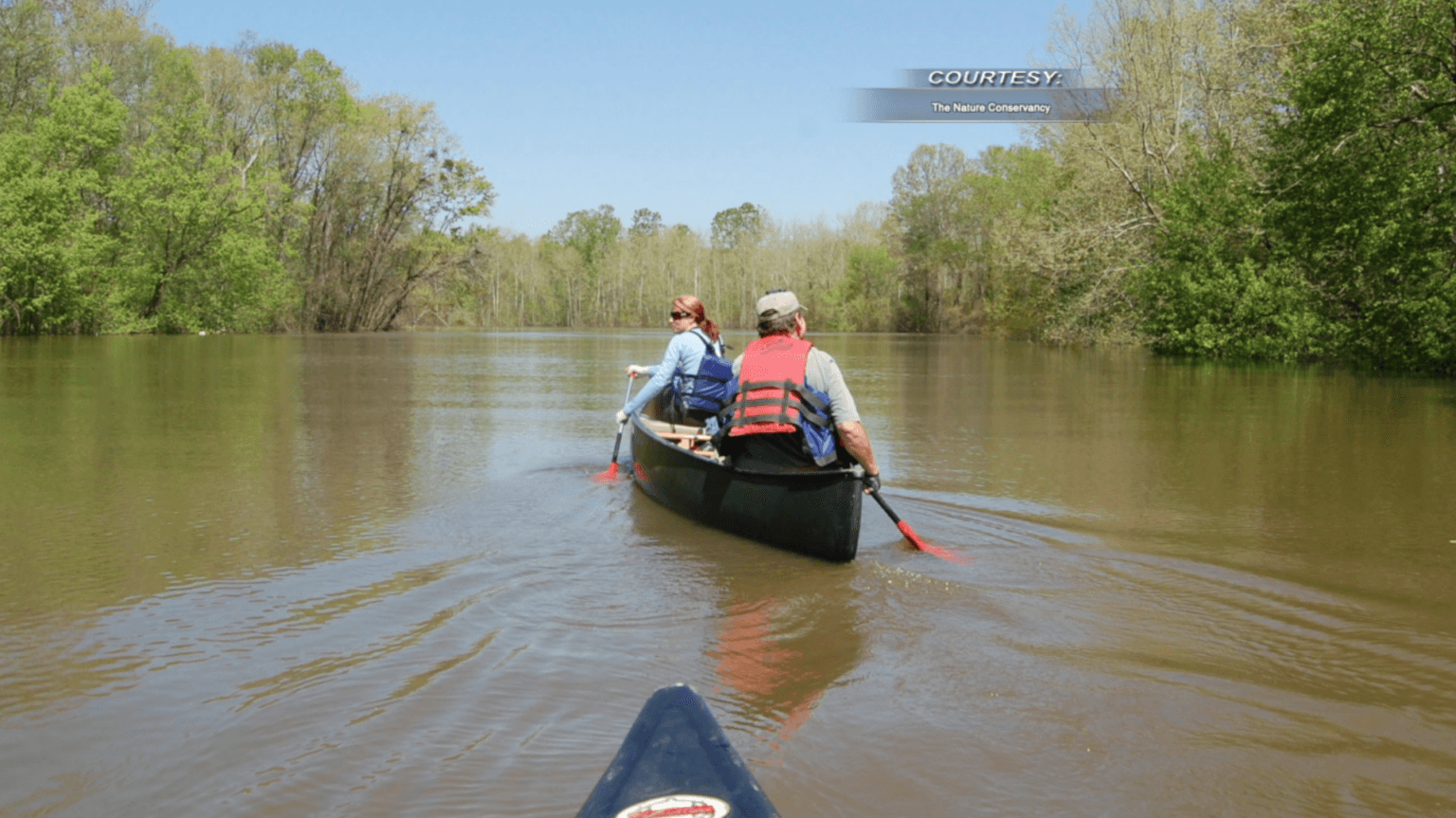
Owsley County’s landscape along the South Fork of the Kentucky River and bordering portions of the Daniel Boone National Forest provides a network of recreational assets that local officials and partner groups are highlighting to attract low-impact visitors. Public river access points offer paddling and angling opportunities, while forest roads and trailheads link to Daniel Boone National Forest management units and a system of backcountry roads used for hiking and wildlife viewing.
These assets matter because they form the backbone of small-scale tourism in and around Booneville, a sector that can supply supplemental revenue for lodging, food service, guiding and retail operations. Local tourism efforts have emphasized low-impact outdoor tourism as a way to leverage natural capital without the heavy infrastructure demands of large resorts or amusement developments. Licensed hunting on public and accessible private lands, conducted under Kentucky Fish & Wildlife rules, further expands outdoor visitation during seasonal windows that local businesses have historically relied upon.
From an economic perspective, outdoor recreation activities often translate into dispersed spending patterns: day-trip fuel and food purchases, equipment and supplies, short-term stays in local accommodations, and seasonal guide or outfitter income. For a county with limited commercial scale, these incremental revenues can enhance cash flow for small businesses and keep money circulating locally. At the same time, reliance on natural assets makes the local economy sensitive to trail and river conditions, access maintenance and regulatory changes.
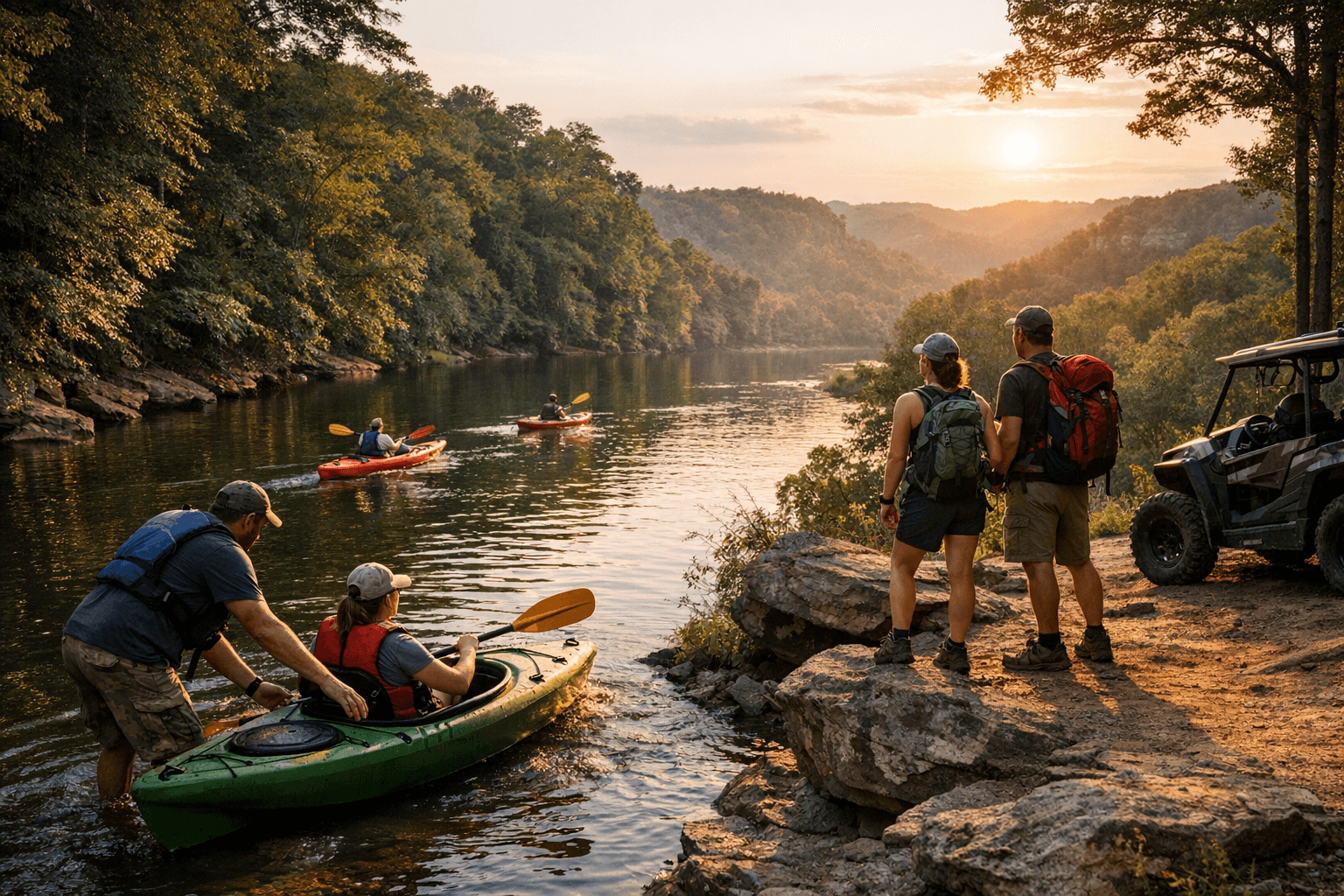
That sensitivity underscores a policy question for county and federal land managers: how to balance access and conservation. Coordination between Owsley County stakeholders and Daniel Boone National Forest managers, alongside enforcement of Kentucky Fish & Wildlife licensing rules, will be important to sustain fish and wildlife populations, protect riparian corridors and maintain safe, passable forest roads and trailheads. Investments in signage, parking, and low-cost infrastructure maintenance can raise visitor satisfaction and reduce environmental wear, making tourism returns more durable.
In the longer term, promoting low-impact outdoor recreation can diversify Owsley County’s economic base while preserving the natural assets that draw visitors. The county’s river corridors, forested ridges and backcountry roads are not just places for recreation; they are local economic assets that require ongoing stewardship and targeted policy support to deliver steady community benefits.
Sources:
Know something we missed? Have a correction or additional information?
Submit a Tip