Panhandle Gives will distribute nearly eleven million dollars to nonprofits
Panhandle Gives announced it will distribute almost eleven million dollars to area nonprofits, with organizers expecting funds to be disbursed by Christmas. The infusion reflects strong local philanthropy, but raises questions about transparency, service continuity, and how public and private funding interact in Texas County.
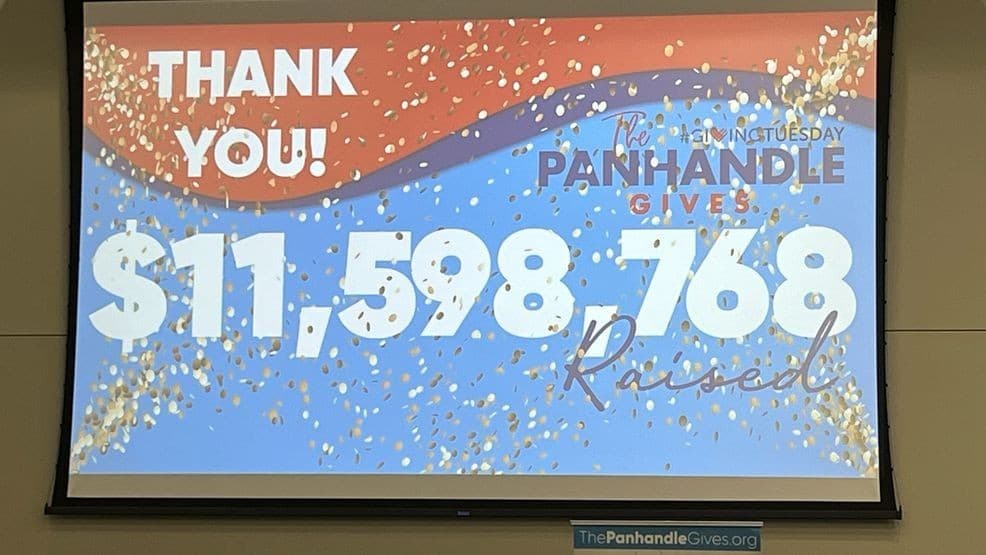
On December 4, 2025 the Panhandle Gives campaign said it would distribute nearly eleven million dollars to nonprofit organizations across the region following Giving Tuesday. Organizers reported that just over 7,000 donors contributed to the effort and that roughly 250 organizations will benefit from the pooled giving. Senior Director of Operations and Communications Broc Carter said the funds should be given out by Christmas.
The size of the distribution makes this one of the largest concentrated philanthropic efforts in recent local memory. For residents who rely on community services, the money could support food assistance, emergency relief, youth programming, health services, and cultural programs, depending on how recipient groups allocate their awards. For nonprofits, the timing offers an end of year boost to operating budgets and program reserves, but it also concentrates decision points for hiring, purchasing, and service plans into a short period.
Beyond immediate service delivery, the campaign highlights institutional and policy questions for Texas County. Large community giving campaigns broaden civic participation and private investment in public needs, but they can also complicate municipal and county budgeting decisions. Local officials and nonprofit leaders will need clear reporting on who received funds and how they are used to ensure the donations supplement rather than replace core public responsibilities. Transparency about allocation criteria, administrative costs, and measurable outcomes will be important for public trust.
The scale of donor participation shows strong civic engagement, yet it is not a substitute for predictable revenue streams that sustain long term programs. County and city policymakers should consider coordinating with philanthropic intermediaries to align grants with strategic priorities and underserved areas. Nonprofits receiving funds should be prepared to document spending and outcomes for donors and the wider community.
For residents, the distribution may mean visible improvements in services before the new year. Local officials and nonprofit leaders have an opportunity to publish clear accounts of how funds are used, and to engage donors and voters in discussions about longer term funding stability. With the promised disbursement timeline approaching, community stakeholders will be watching for detailed reports on recipients and impact.
Sources:
Know something we missed? Have a correction or additional information?
Submit a Tip