Park City Startup Automates Construction Estimating for Local Builders
Vega Apps LLC, a Park City startup co-founded by veteran estimator Matthew King, launched January 1, 2026, offering AI-driven takeoffs and ZIP code–adjusted material pricing that promises to cut bidding time from weeks to minutes. The tool could speed project starts and improve cost transparency for Summit County contractors and homeowners, while raising questions about quality control, regulatory oversight, and labor shifts in the local construction economy.
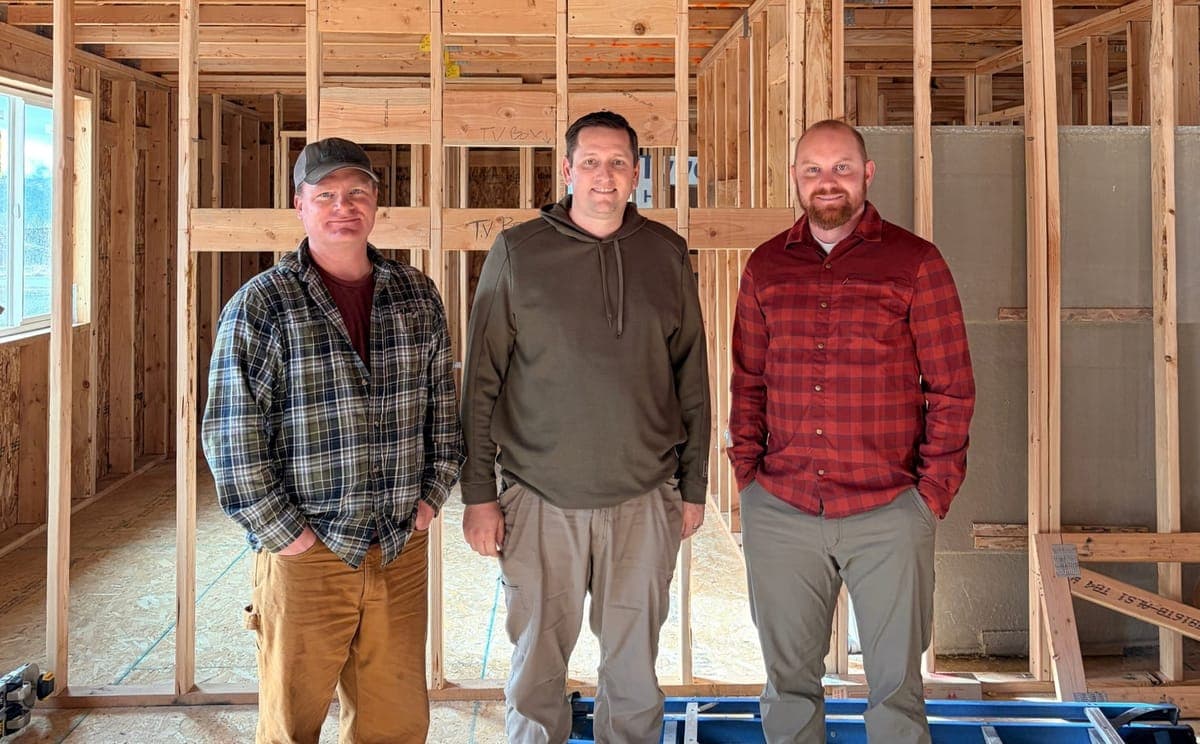
Vega Apps opened for business on January 1, 2026, bringing specialized artificial intelligence to a task long handled manually by contractors: construction estimating. Co-founders Matthew King, Jason Peterson and Seth Hopkin built the Park City firm after King’s two decades in construction exposed estimating as a time-consuming, error-prone bottleneck. The product processes plans to deliver detailed quantity takeoffs across 13 core trades, including flooring, drywall, framing, paint, HVAC/mechanical, plumbing and electrical.
The platform returns takeoffs in minutes and layers in material pricing adjusted by ZIP code, providing contractors and homeowners local cost baselines that previously required lengthy vendor calls and spreadsheets. Vega’s pricing model charges general contractors roughly $3,600 per year, offers lower tiers for subcontractors and makes one-time homeowner estimates available for a modest fee. Vega also unveiled an underlying API, VegaConnect, aimed at integrating takeoffs into existing construction workflows and third-party software.
For Summit County, the practical effects could be material. Faster, more granular estimates can shorten preconstruction timelines, enabling quicker bid cycles and potentially earlier project starts. ZIP code–sensitive pricing may help local builders and homeowners better anticipate regional cost differences driven by transport, labor and supplier availability. For smaller contractors who historically lost work because they could not produce fast, reliable bids, automation could level the playing field and expand competitive opportunities.

Vega is explicit about limits. The company acknowledges its AI can err and is not yet able to resolve conflicting documents or ambiguous design intent; human review remains necessary. Those caveats matter for local building departments and municipal plan reviewers considering tighter digital integration. Longer-term ambitions include using VegaConnect to assist automated plan review against local building codes, a development that would prompt policy and procedural decisions about how much discretion officials cede to algorithmic tools and what standards govern accuracy, data security and appeals.
Economically, Vega fits a broader trend of productivity gains through sector-specific AI: routine tasks shift toward automation and human labor concentrates on judgment, oversight and complex coordination. For Summit County, that shift could improve cost transparency and scheduling, helping housing and renovation projects proceed more predictably. It also raises questions about retraining for estimators and the need for local regulatory frameworks to ensure automated estimates meet safety and compliance standards.
Sources:
Know something we missed? Have a correction or additional information?
Submit a Tip