PGCPS Faces $150 Million Gap, Prioritizes Classrooms and AI
Prince George's County Public Schools officials outlined a roughly $150 million shortfall in the FY27 budget and a plan to shield teachers and classrooms by targeting central office and non-instructional reductions. The gap, driven by rising operational costs and sharply reduced reserves, forces difficult trade-offs while identifying technology, safety, and employee pay as priority investments.
Prince George's County Public Schools is confronting a roughly $150 million budget gap for fiscal year 2027, district leaders said, setting in motion a series of reductions and targeted investments intended to protect classroom instruction. The shortfall comes as operational costs are projected to rise by more than 6.5 percent while revenue from the Blueprint funding formula is expected to increase by about 4.3 percent, narrowing fiscal flexibility.
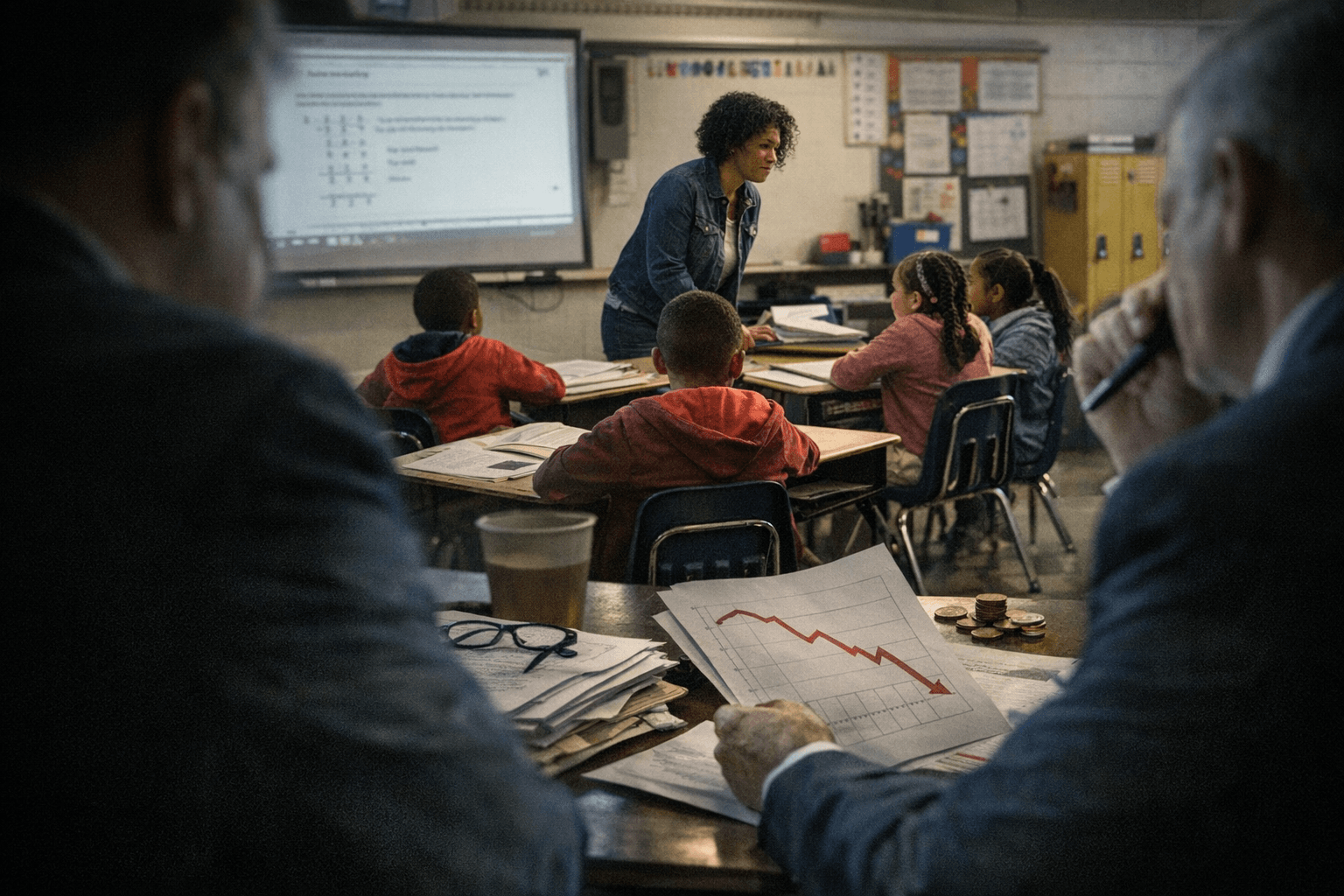
Reserves that might have provided one-time relief have declined by approximately 42 percent from FY24 to FY25, limiting the district's ability to smooth budget shortfalls without programmatic changes. In response, leadership has prioritized cuts to central office and other non-instructional areas before proposing reductions that would affect teachers and direct classroom services. Early actions identified by the district include consolidating contracts, eliminating or deferring vacant administrative positions, and tightening operating budgets across departments.
At the same time, the district outlined six priority areas—technology and artificial intelligence, safety and security including upgraded systems, employee compensation, special education, professional development, and targeted academic acceleration—as "accelerants" for future investment. The inclusion of technology and AI signals a push to modernize instructional tools even as the district trims overhead, while continued emphasis on safety, special education and staff pay reflects enduring policy priorities for student welfare and workforce retention.
The combination of structural revenue limits, rising costs, and depleted reserves presents policy choices with clear local impacts. Consolidation of administrative contracts and vacancy reductions could yield savings without immediate classroom layoffs, but prolonged fiscal pressure may force deeper cuts or compel the county and state to identify additional revenue. Investments in employee compensation and special education are likely to be a test of the district's ability to balance recurring costs against one-time savings.
Community engagement is central to the district's approach. Officials urged residents to review the FY27 budget resources provided by the school system and to participate in upcoming public budget sessions to voice priorities and concerns. For parents, educators, and taxpayers, those sessions will be the primary forum to weigh trade-offs between immediate belt-tightening and longer-term investments in safety, technology, and student supports.
As the budget process proceeds, local elected officials and school administrators will face pressure to make transparent, evidence-based decisions that protect instruction while stabilizing the district's finances. Residents should monitor the schedule for public hearings, examine proposed reductions and accelerant investments, and submit feedback to ensure community priorities shape final allocations.
Sources:
Know something we missed? Have a correction or additional information?
Submit a Tip