Phillips County Penal Farm Preserved as New Deal Era Landmark
The Phillips County Penal Farm Historic District near Poplar Grove is listed on the National Register of Historic Places, recognizing its New Deal era architecture and historical role in county corrections. The designation highlights the site as a tangible piece of local built and social history, with implications for preservation funding, public stewardship, and community engagement.

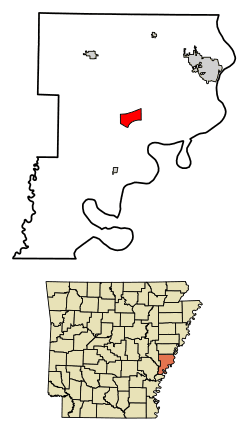
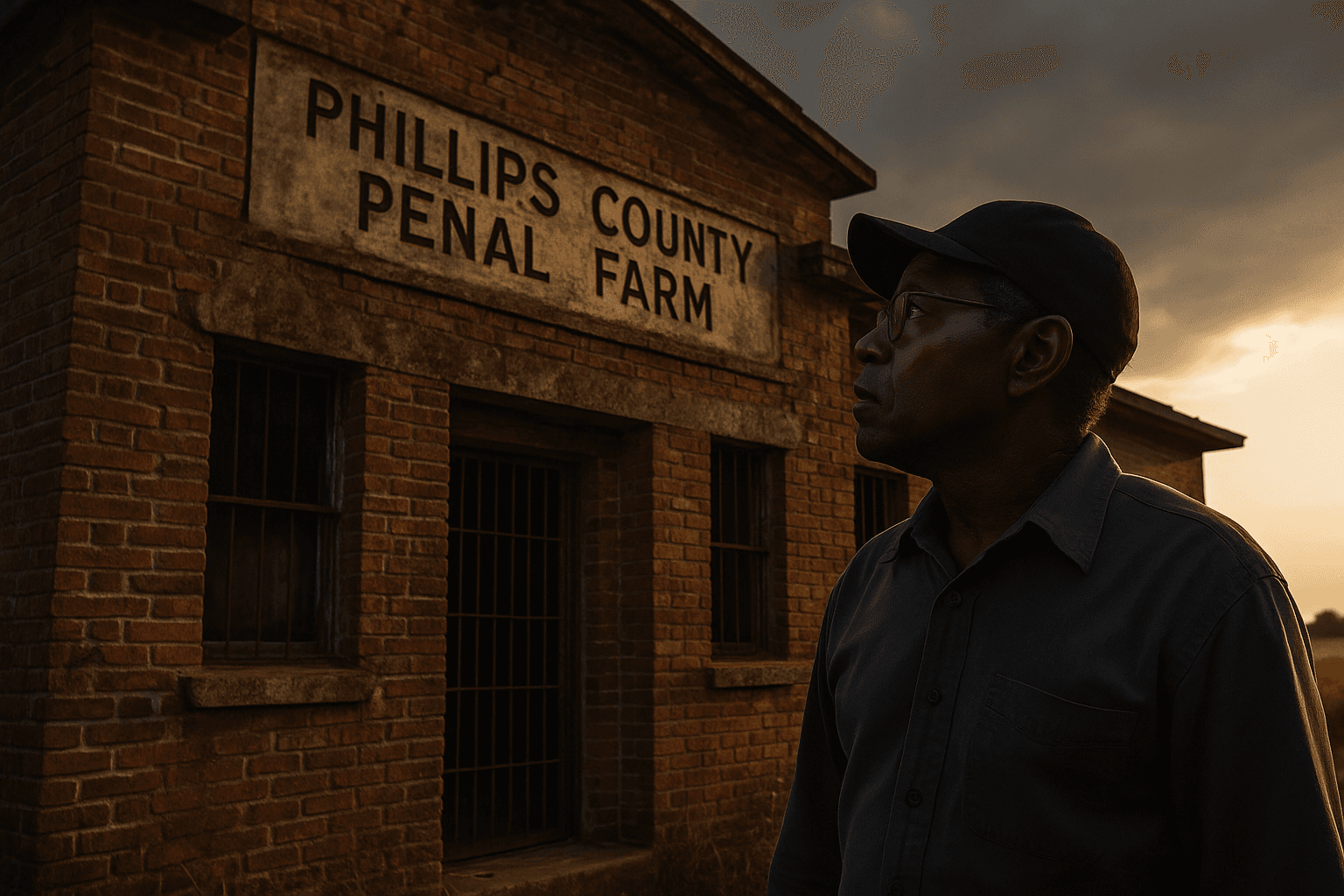
The Phillips County Penal Farm Historic District, located near Poplar Grove between Helena West Helena and Marvell, is now recognized for its architectural and historic significance. Constructed around 1935 to 1937 with Works Progress Administration funding, the complex includes three concrete structures, a water tower, and a foundation pad. The principal building is a two story cast concrete structure that displays elements of Plain Tradition and International styling. The complex served as a county penal facility until 1973.
The National Register listing affirms the site as an important artifact of Phillips County history and as a surviving example of New Deal era public works. For residents the designation confirms the penal farm as part of the county narrative of governance, labor and institutional architecture. The physical presence of the concrete buildings and the water tower provides a focal point for local interpretation of 20th century public policy and community responses to incarceration and public employment programs.
Policy implications are immediate and practical. National Register recognition can make properties eligible to compete for federal and state preservation grants and can support access to tax credit programs for rehabilitation projects. Stewardship responsibilities fall to property owners, local government and preservation organizations, and the listing increases public expectations for transparent decision making about maintenance, reuse and potential development. Local officials will need to weigh preservation priorities alongside budget constraints and land use plans.
The listing also presents opportunities for civic engagement. The site can be incorporated into educational programming, heritage tourism initiatives and local planning discussions to ensure that interpretation fairly represents the social history tied to the site. Residents and community groups may consider advocating for condition assessments, preservation plans and public meetings so that any future work on the property reflects community priorities and fiscal realities.
As an enduring piece of Phillips County built and social history, the penal farm invites ongoing public attention. Ensuring clear stewardship, seeking available preservation resources, and engaging the community in decisions about the site will determine whether its listing translates into durable protection and meaningful local benefits.
Sources:
Know something we missed? Have a correction or additional information?
Submit a Tip