Pickleball Boom in Hanoi Sparks Noise Complaints and Community Debate
Dozens of new pickleball courts that sprang up across Hanoi, with Long Bien emerging as a hub, have prompted waves of noise complaints, petitions to limit playing hours, and rising tension between late night players and nearby residents. The dispute highlights a wider policy dilemma between supporting grassroots demand for an accessible sport and preserving sleep, health, and neighbourhood livability.

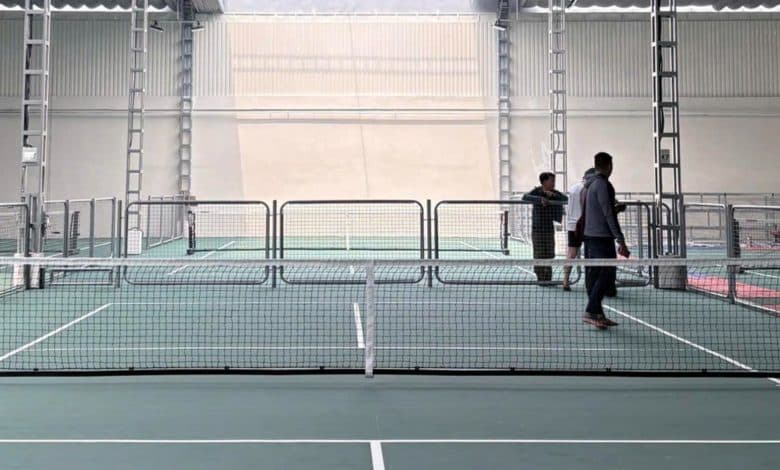
Rapid expansion of pickleball courts across Hanoi and other Vietnamese cities produced an unexpected clash between players and neighbours as the sport moved from parks and private clubs into dense residential areas. Dozens of new courts appeared in Hanoi this year, with Long Bien noted as a focal point, and city apps logged numerous complaints as residents reported recurring pop pop noise late into the evening. State outlets described the phenomenon as an "acoustic hazard."
The scale of growth is striking. Pickup play drew both younger and older participants, attracted by a low barrier to entry, simple equipment, and compact court footprints that fit into small urban spaces. Entrepreneurs and community groups converted parking lots, scraps of public land, and underused courts into places to play, which multiplied opportunities but also concentrated sound where people live. Petitions circulated calling for limits on playing hours and for local authorities to step in to manage the conflict.
Health and sleep concerns moved the issue beyond a simple nuisance dispute. Residents complained of disrupted rest and stress from late night sessions, while players argued they were responding to strong local demand and limited daytime access. The tension revealed a policy gap between accommodating a booming recreational activity and preserving neighbourhood quality of life.

Practical options are emerging for communities and local officials. Temporary measures often proposed include setting clear hours for play, prioritizing daytime and early evening bookings, and siting new courts in park zones away from apartment blocks. Longer term solutions include evaluating court surfaces and layouts to reduce bounce and noise, enforcing registration or permitting systems to manage density, and opening municipal facilities for scheduled play so informal sites do not proliferate in residential pockets.
For now the debate continues as authorities review complaints and communities negotiate acceptable compromises. Players, neighbours, and local leaders will need to balance the social benefits of a rapidly growing sport with targeted measures that protect sleep, health, and shared urban living.
Sources:
Know something we missed? Have a correction or additional information?
Submit a Tip