Pickleball's Asian Boom Places Region at Center of Growth
New global estimates put roughly 22 million active pickleball players worldwide and between 80 and 120 million people who have tried the sport at least once. Asia’s scale — including a UPA Asia finding that 812 million people across the region have played at least once and an estimated 60 million players in China — positions the region as the primary growth opportunity for clubs, equipment makers, and tour promoters.
New global participation estimates show pickleball moving from niche pastime to a truly global sport, with roughly 22 million people active in the past year and between 80 and 120 million people who have played at least once. These figures combine national surveys, federation data and major research to capture different definitions of participation and reflect rapid geographic diversification.
The United States remains a major center, with 19.8 million players recorded in 2024 by the Sports & Fitness Industry Association. Canada contributes an estimated 1.54 million players. Australia, England and Spain document smaller but growing bases — about 92,000 in Australia and roughly 60,000 combined in England and Spain. India’s participation is estimated at 50,000–60,000 players, and the Philippines reports about 18,000 registered participants.
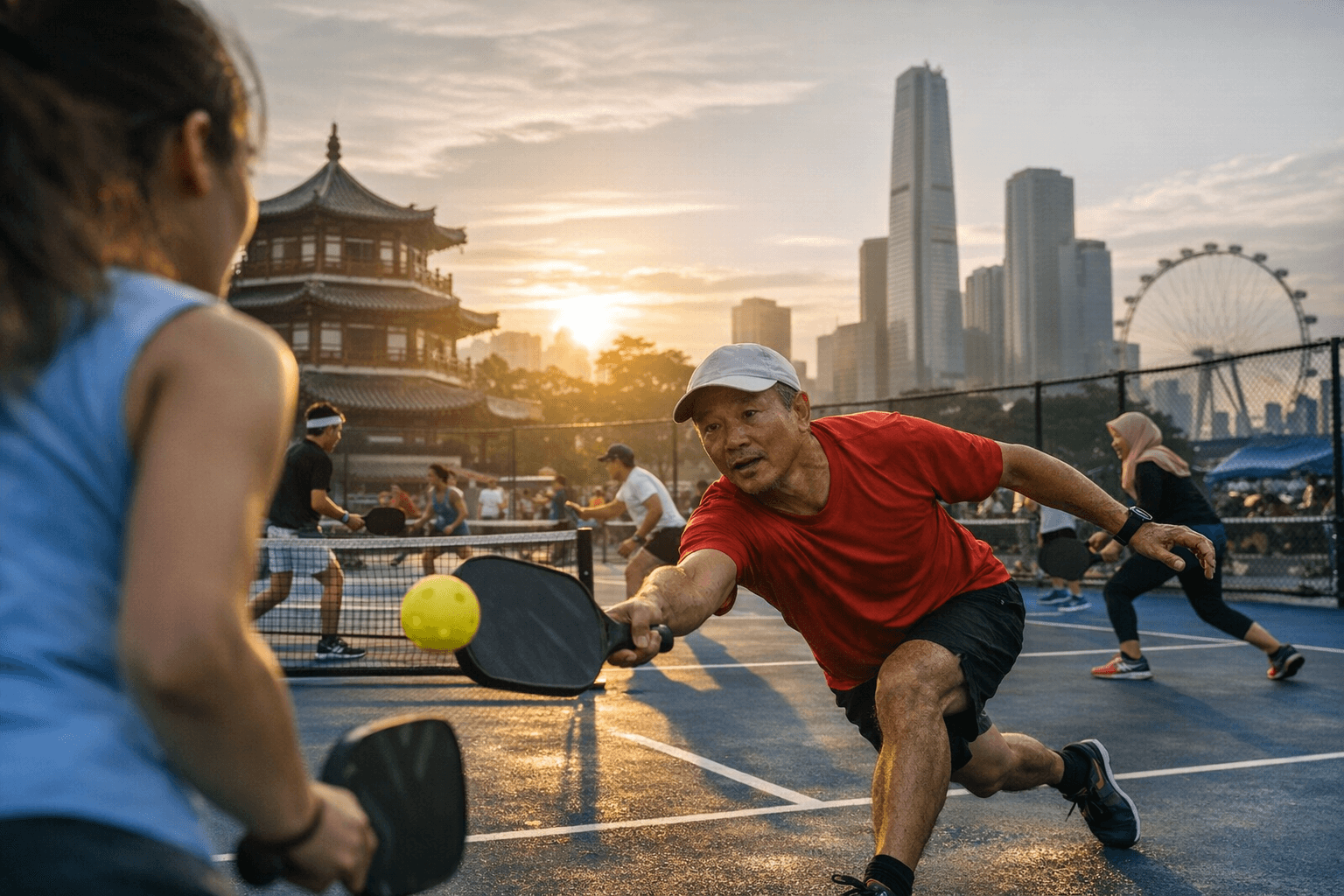
Asia’s numbers, however, dwarf other regions. China is estimated to have approximately 60 million pickleball players, and separate 2025 research from UPA Asia indicates as many as 812 million people across Asia have tried the sport at least once. That reach — roughly one in five people in Asia — is the kind of rapid penetration most recreational sports take decades to achieve and explains why manufacturers, leagues and promoters are recalibrating expansion strategies toward the region.
Growth drivers are familiar and practical: the sport’s accessibility, low equipment costs, compact court footprint, social media exposure that accelerates awareness, and natural crossover from table tennis, tennis and badminton cultures. Those dynamics make pickleball an especially strong fit for dense urban settings and multi-sport community centers across Asian cities.
For community organizers, coaches and facility operators the implications are immediate. Expect increased demand for court time, beginner programming and rental gear. Plan capacity now by adding evening and weekend beginner clinics, creating partnerships with tennis and badminton clubs to share courts, and using social media to convert casual interest into regular play. Equipment suppliers should prioritize distribution networks and localized models, while tournament promoters can test regional events that blend recreational and competitive formats.
The widening base also matters for policy and funding: municipal recreation departments should reassess court allocation and multi-use facility design to accommodate pickleball’s growth without displacing existing sports. For players, the expansion means more local leagues, coaching options and social play opportunities.
Asia’s population scale places the region at the center of pickleball’s next phase. Communities that act now to organize courts, coaching and social programs will be best positioned to capture new players and build sustainable local scenes.
Sources:
Know something we missed? Have a correction or additional information?
Submit a Tip