Pop Mart ramps global production after 2025 Labubu surge, shifts strategy
Pop Mart dramatically scaled manufacturing and supply chains after a 2025 Labubu-driven surge, moving from single-digit millions to roughly 30 million units per month and adding partner-run factories in Cambodia, Indonesia and Mexico. The expansion gives faster market access and supply resilience but risks eroding the scarcity that fuelled resale premiums; Pop Mart plans more U.S. retail presence and new product launches in early 2026 to diversify away from Labubu reliance.
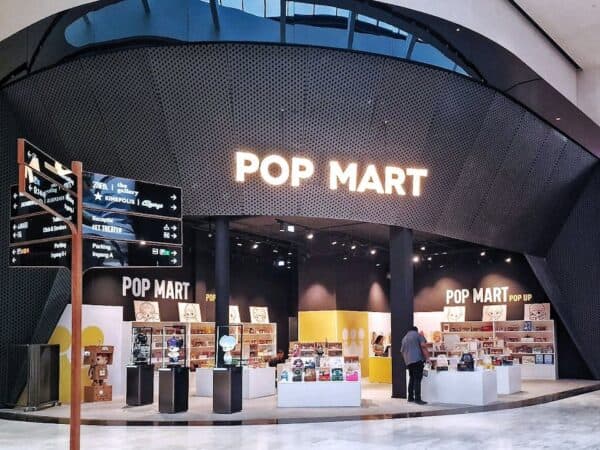
Pop Mart undertook a rapid manufacturing expansion following the global Labubu surge of 2025, moving from constrained output to an industrial cadence of roughly 30 million units per month. That scale-up depended on partner-run factories recently added in Cambodia, Indonesia and Mexico, a shift designed to accelerate production and reach markets more quickly.
The immediate upside for collectors and retailers has been obvious: greater availability and faster restocks beyond the limited runs that previously defined the brand. For brick-and-mortar shops and online sellers that struggled to source stock during the 2025 boom, increased output promises steadier supply and fewer missed sales opportunities. The company also plans to grow its U.S. retail footprint, an operational pivot that will bring more product physically closer to American buyers and reduce import friction for hobby shops and specialty stores.
The move is not without trade-offs. Expanding capacity and leaning on partner factories reduces production bottlenecks but increases the risk of commoditising the scarcity that once kept resale prices high. Secondary-market premiums that rewarded collectors and re-sellers through rarity may soften as larger production runs and broader distribution dilute perceived exclusivity. That change affects pricing strategies for independent sellers and collectors who invested in limited pieces during the earlier period of constrained supply.
Analysts cited in the reporting say the company must broaden its product mix and adapt retail tactics to sustain investor confidence as the market adjusts. Early 2026 product launches are intended to begin shifting reliance away from Labubu as a central driver of demand, while expanded U.S. retail presence looks to capture more direct sales rather than channeling demand exclusively through secondary markets.
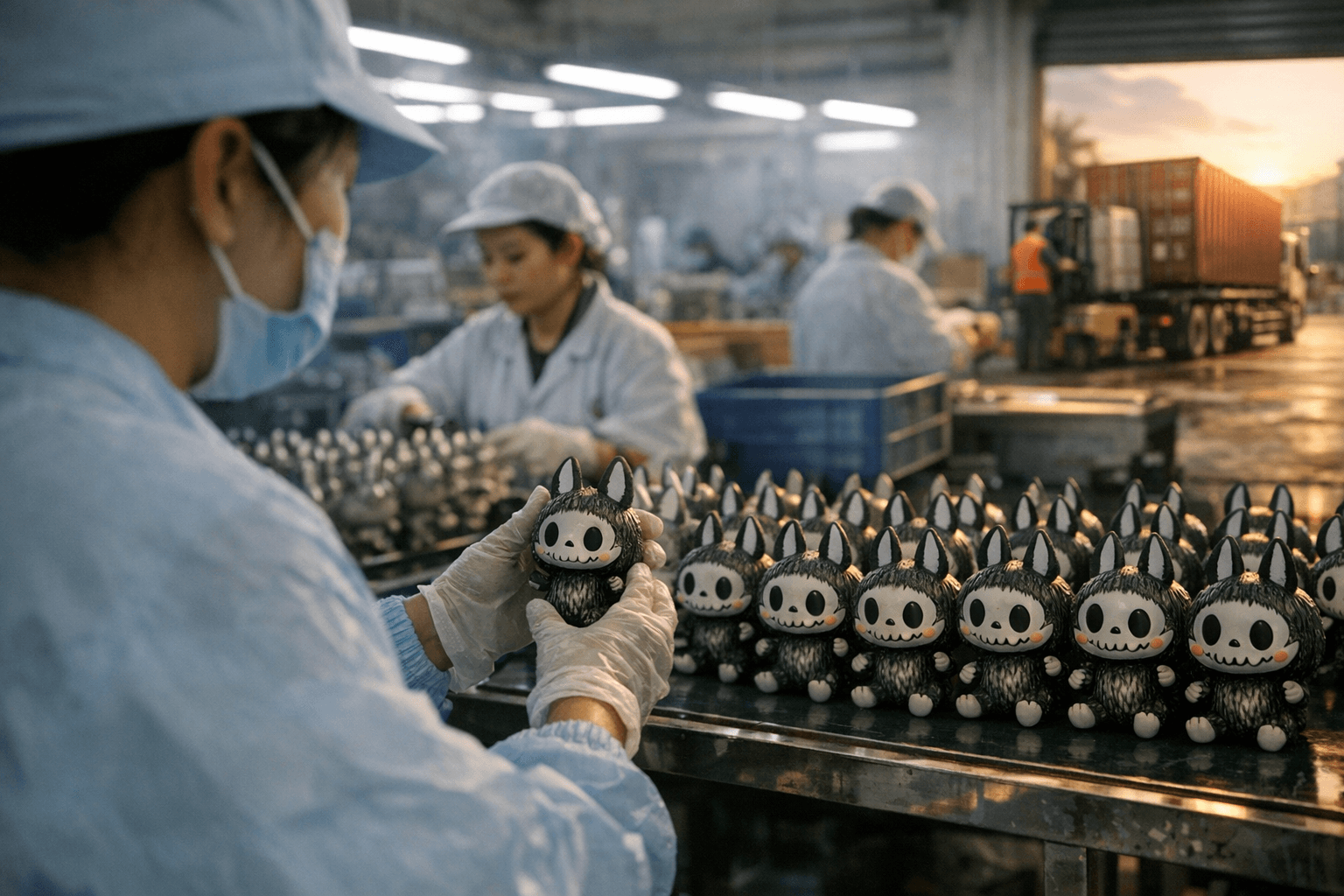
For the Labubu community and small retailers, the practical implications are immediate. Expect more frequent releases and larger runs, and plan inventory and pricing strategies accordingly. Watch the early 2026 launches for experiments in product positioning and rarity. For collectors focused on scarcity, the market may reward curation and provenance more than volume moving forward.
Pop Mart’s strategy marks a transition from scarcity-driven hype to industrial-scale availability and retail diversification. That shift will reshape how collectors source items, how stores stock shelves, and how the secondary market values pieces that were once defined by rarity.
Sources:
Know something we missed? Have a correction or additional information?
Submit a Tip