Proteus Space Launches MERCURY ONE, AI Designed ESPA Class Satellite
Proteus Space announced on December 2 that MERCURY ONE, an ESPA class satellite designed with AI enabled tools, launched from Vandenberg and reached first contact. If independently confirmed, the mission could accelerate a growing shift toward rapid, AI assisted satellite design and commercial fast turn access to orbit.
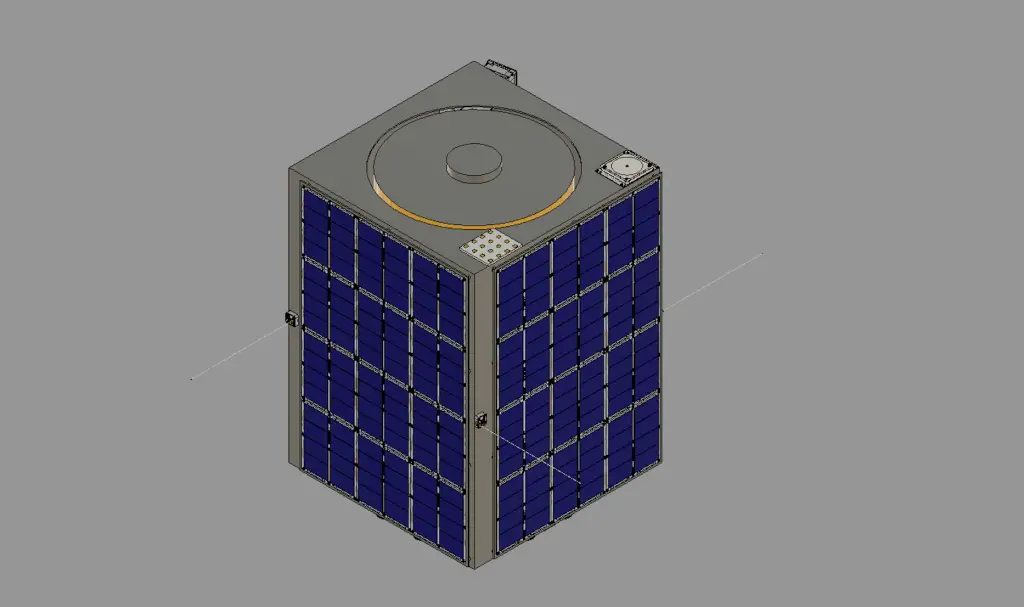
Proteus Space said on Tuesday that MERCURY ONE completed launch and ground contact, marking what the company describes as an end to a nine month development cycle from concept to flight heritage. The satellite, flown in late November from Vandenberg Space Force Base, is built on an ESPA class platform, a form factor derived from the EELV Secondary Payload Adapter standard. Proteus said MERCURY ONE carries multiple hosted payloads, including instruments contributed by NASA Jet Propulsion Laboratory, the University of California Davis and defense contractor Leonardo DRS. The mission was executed under a contract with SpaceWERX and the Air Force Research Laboratory.
The company framed MERCURY ONE as a demonstration of a fully integrated pipeline that begins with AI enabled design tools and ends with launch and operations. Proteus has also suggested commercial software as a service plans that would let other organizations use the platform and its design tools to accelerate their own technology demonstrations and sensor deployments. The speed the company claims, if sustained and verified, would represent a notable compression of industry timelines that have traditionally required several years for design, testing and certification.
Interest in rapid turn satellites has grown across commercial and government sectors as customers seek quicker feedback loops for prototypes and experiments. A successful MERCURY ONE mission would underscore how artificial intelligence tools can be applied to systems engineering, component sourcing and trade off analysis in ways that shorten development cycles. It would also raise questions about how to maintain rigorous testing, safety margins and reliability when schedules are compressed.
Independent verification will be important for assessing the mission beyond the company announcement. Typical third party checks include independent tracking and telemetry confirmation, and regulatory filings that document the spacecraft and its radio frequencies. Coverage to date relies on Proteus statements and trade reporting, and those follow up data points will help determine whether MERCURY ONE achieved the operational performance the company claims.
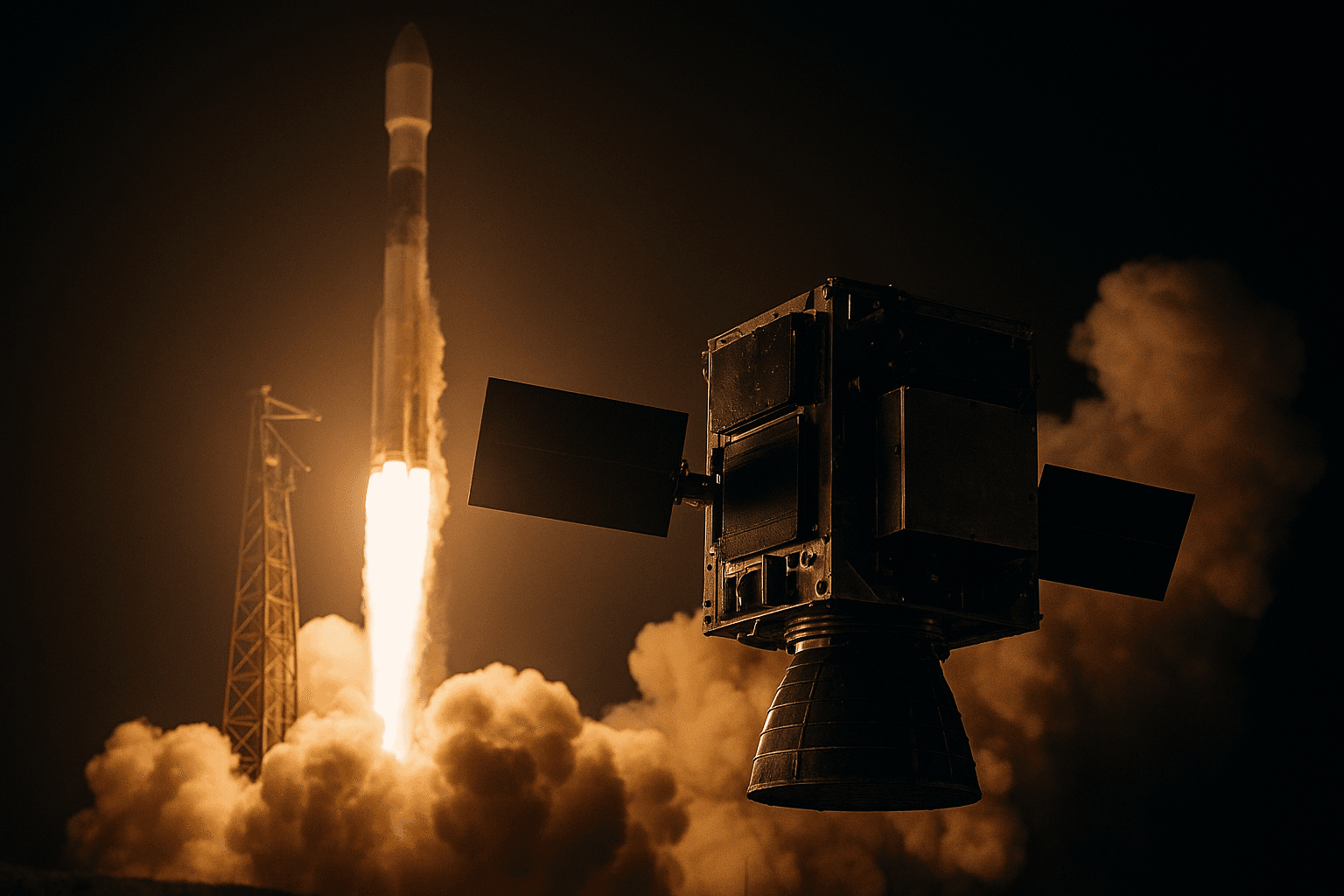
The presence of NASA JPL and UC Davis instruments on the spacecraft suggests a blend of scientific and technical objectives, while the involvement of Leonardo DRS and an AFRL contract points to dual use potential that blurs commercial and defense boundaries. That mixture is emblematic of a broader trend where government programs and private companies partner to compress development timelines and move experiments to orbit faster than in past decades.
Faster design to launch cycles offer clear commercial advantages for rapid validation of sensors and communications gear, but they also amplify oversight challenges. Regulators and customers will need evidence that AI decisions in design are auditable and that accelerated test programs do not increase mission failure or debris risk. Observers will be watching for independent tracking data, release of mission telemetry, and formal regulatory filings that document the spacecraft and its operations.
For now, Proteus Space positions MERCURY ONE as a milestone in AI assisted satellite development. Confirmation from neutral tracking services and regulatory records will determine whether the flight marks a turning point in how quickly and reliably spacecraft can move from idea to orbit.