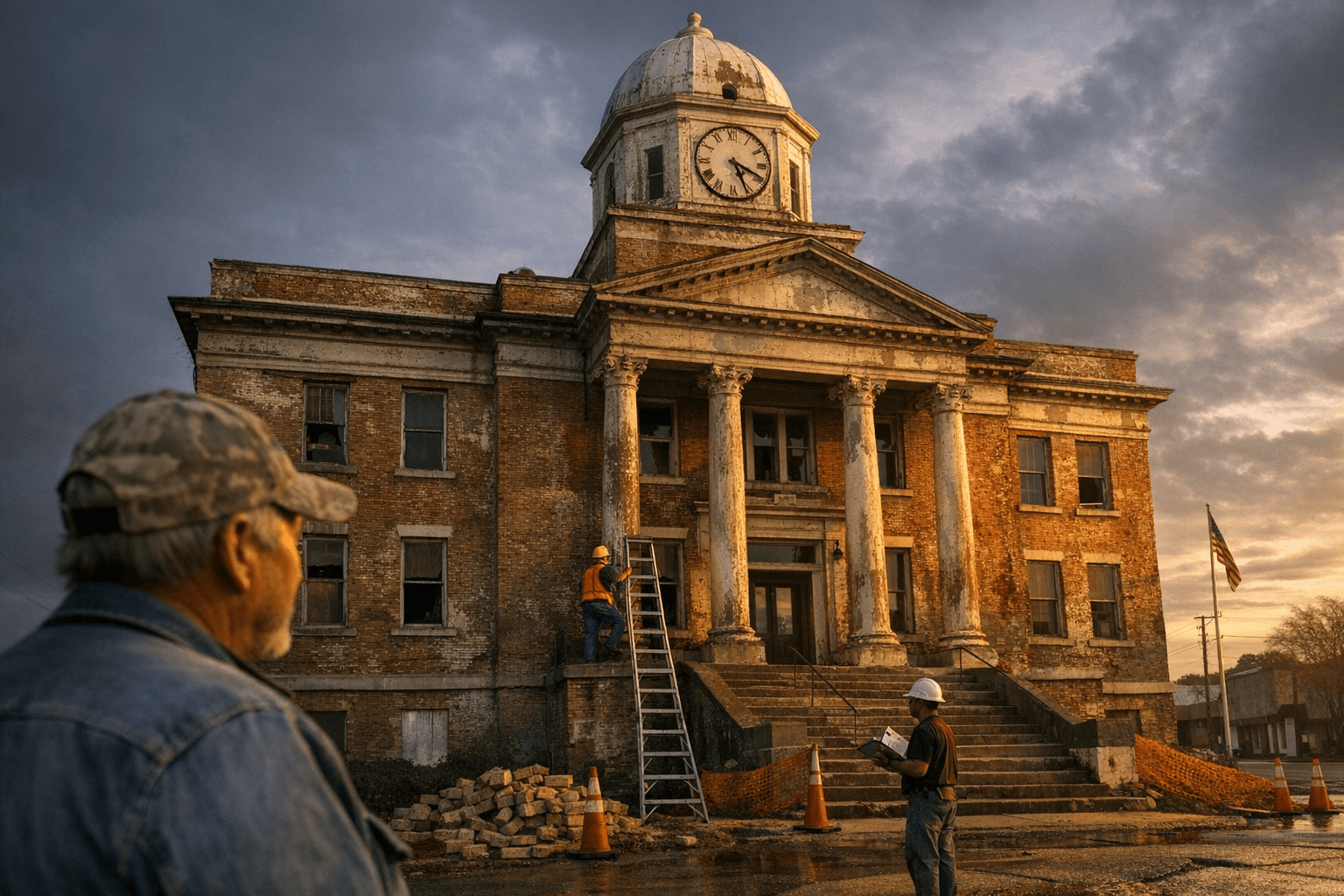
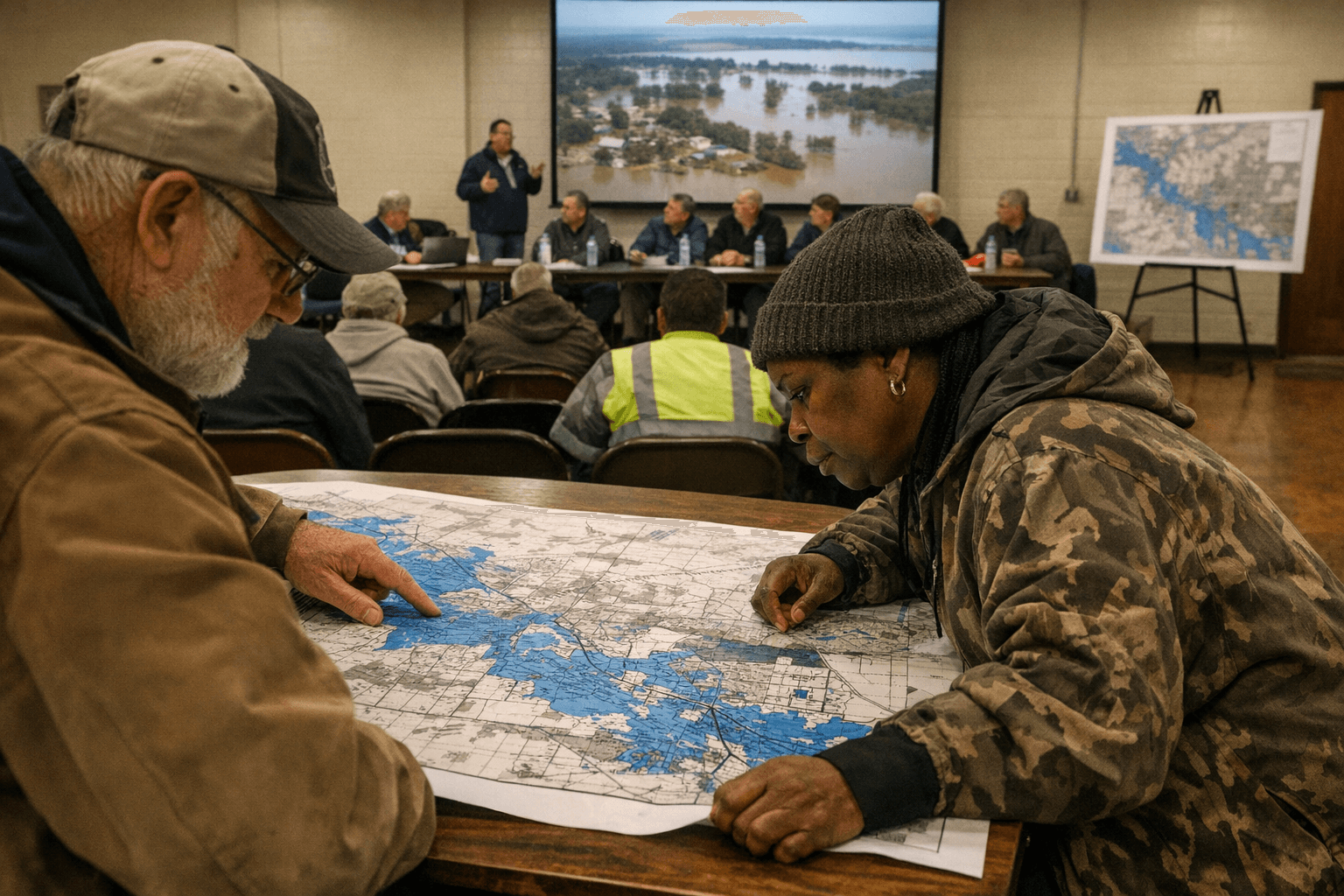
Quitman County centralizes records and services at Marks courthouse
County services and public records are concentrated at the Marks courthouse and on the county website, shaping access to elections, land records, and community programs for residents.
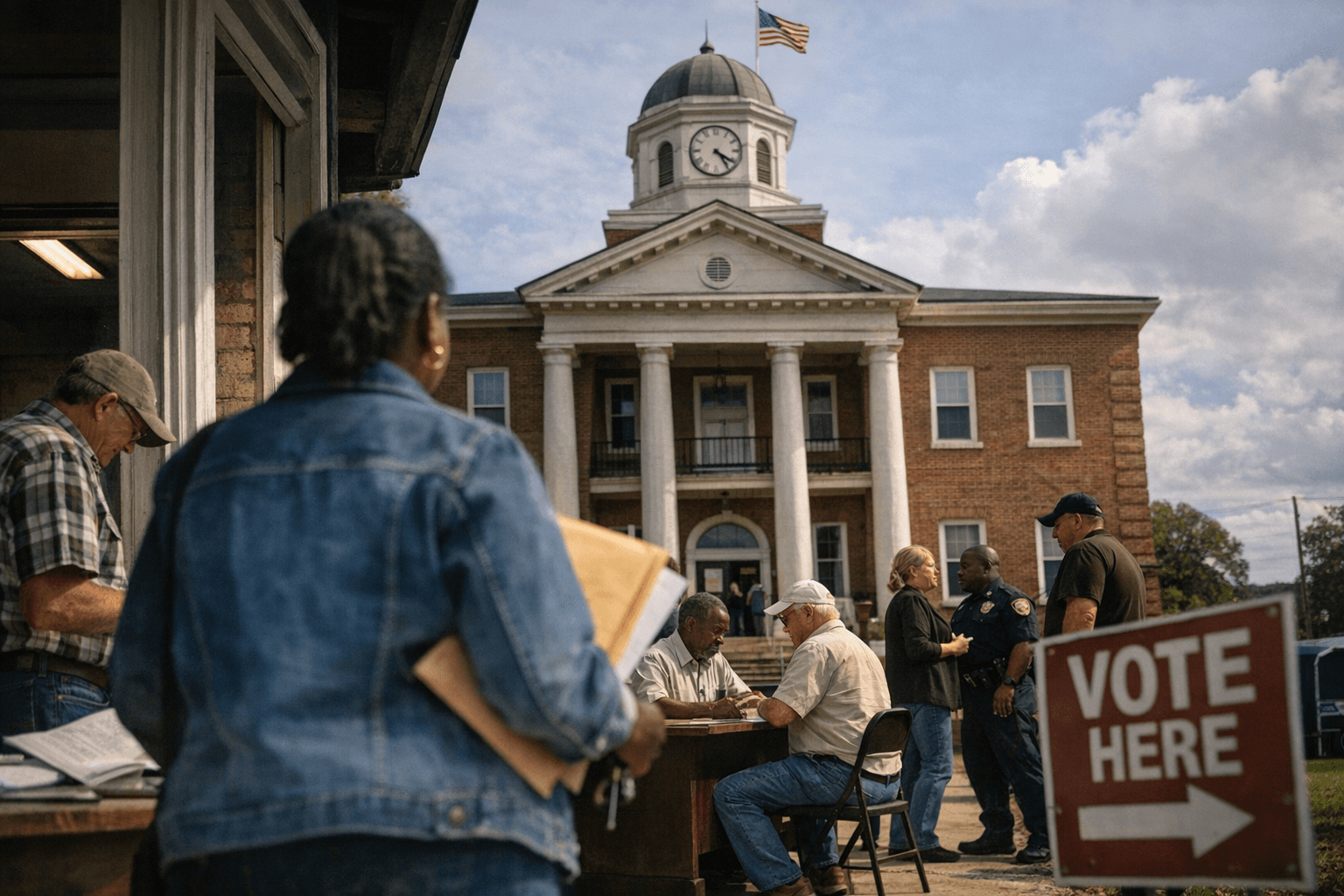
Quitman County runs core local government functions from the county seat in Marks, where the courthouse and county offices serve as the primary hub for civil filings, tax and land records, and county board business. Residents seeking public meeting agendas, property documents or election information most commonly use the county website or visit the courthouse in Marks to complete official transactions and access records.
Municipal centers including Marks, Crowder, Lambert and Falcon are part of the county’s service area, but routine administrative functions are anchored at the courthouse. The county website supplements in-person services by posting department contacts, links to courts and the library, event calendars, and recurring service hours for human services programs. Public safety responsibilities are split between the Quitman County Sheriff’s Office and municipal police departments; contact details and office addresses are listed through the county’s directory pages.
The concentration of services in Marks has practical consequences for civic participation and government accountability. Centralized physical records and meeting locations make it straightforward for residents who live in town to attend county board meetings, file documents, or follow local proceedings in person. For residents in outlying towns or those without reliable internet, travel to the courthouse can create barriers to timely access to records or participation in public meetings. The county’s practice of posting agendas and event schedules online reduces informational friction for many, but it does not fully substitute for community outreach to populations facing transportation or digital-access issues.
From a governance perspective, transparent posting of election information, meeting agendas and department contacts is foundational for informed voting and oversight. Voters who rely on local election notices and county-run registration services need dependable, up-to-date online and in-person channels to verify polling information and candidate filings. Similarly, preservation and public availability of land and tax records through the courthouse affect property disputes, home sales, and local planning decisions that shape the Delta’s small-town economy.
Practical steps for Quitman County residents include using the county website as the first stop for department contacts, events and posted service hours, and visiting the Quitman County Courthouse in Marks for civil filings, official records and county board meetings. Community groups and municipal leaders in Crowder, Lambert and Falcon may want to coordinate with county staff to ensure meeting notices and human services information reach residents who do not regularly use the internet.
The takeaway? Treat the county website and the courthouse in Marks as your gateway to records and civic participation, and push for practical access measures if getting to Marks is a hurdle. Our two cents? If you care about local decisions, check the county calendar, attend a board meeting, and ask officials about remote or satellite options so more Delta residents can stay involved.
Sources:
Know something we missed? Have a correction or additional information?
Submit a Tip