Race-Ready Quad Checklist: Preflight Setup, Tuning, Maintenance Tips
A concise, practical checklist lays out hardware, wiring, firmware, tuning and race-day procedures to get 5" race quads reliably on the pad and into the air. Use this as a workshop reference and race-day prep list to reduce failures, speed turnaround between heats, and protect batteries and electronics.
Consistent lap times start long before lights out. This checklist consolidates the essential hardware choices, wiring and mechanical setup, firmware and PID basics, battery care, video system configuration, and preflight and post-flight routines that get quads race-ready and keep them there.
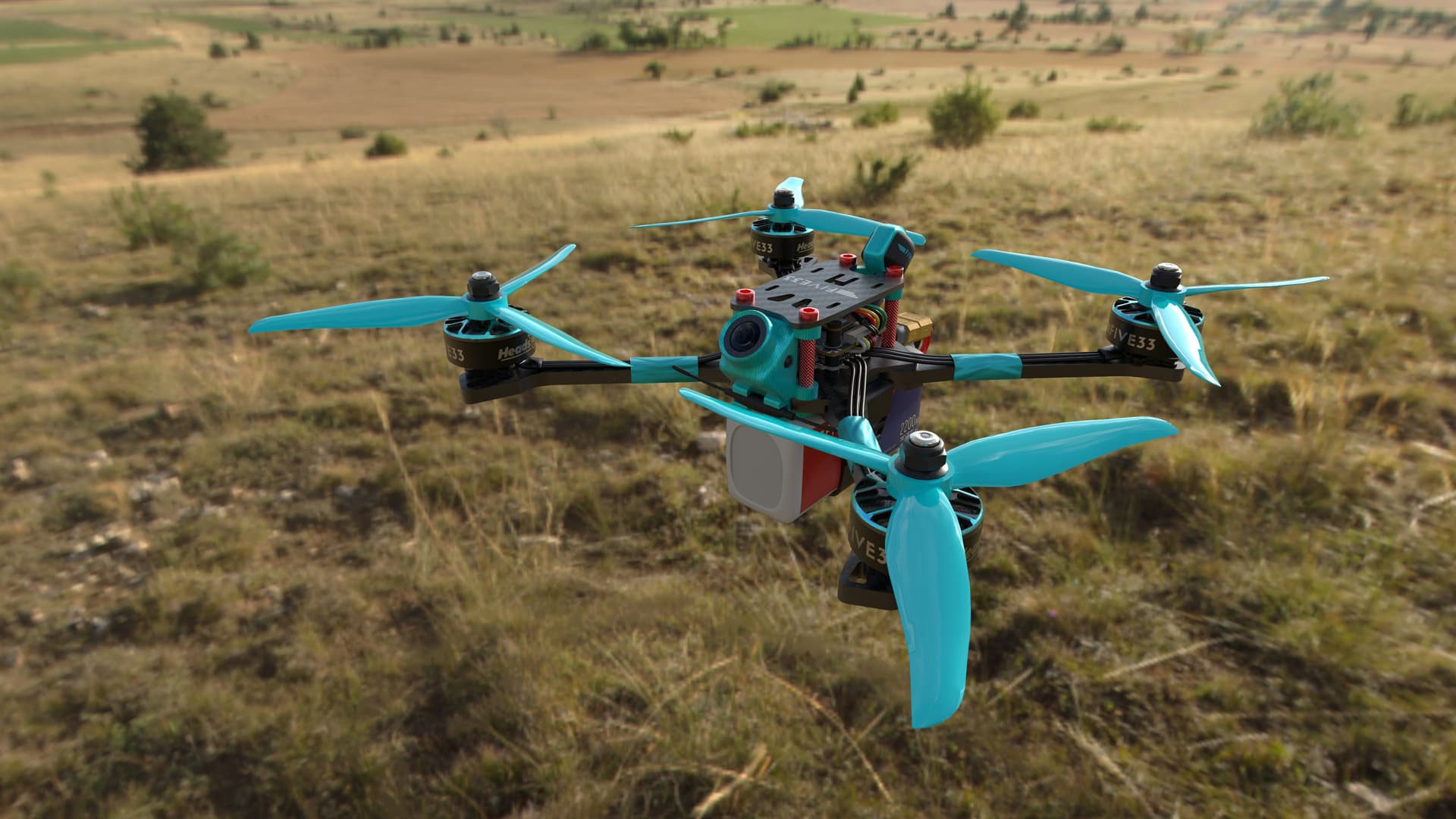
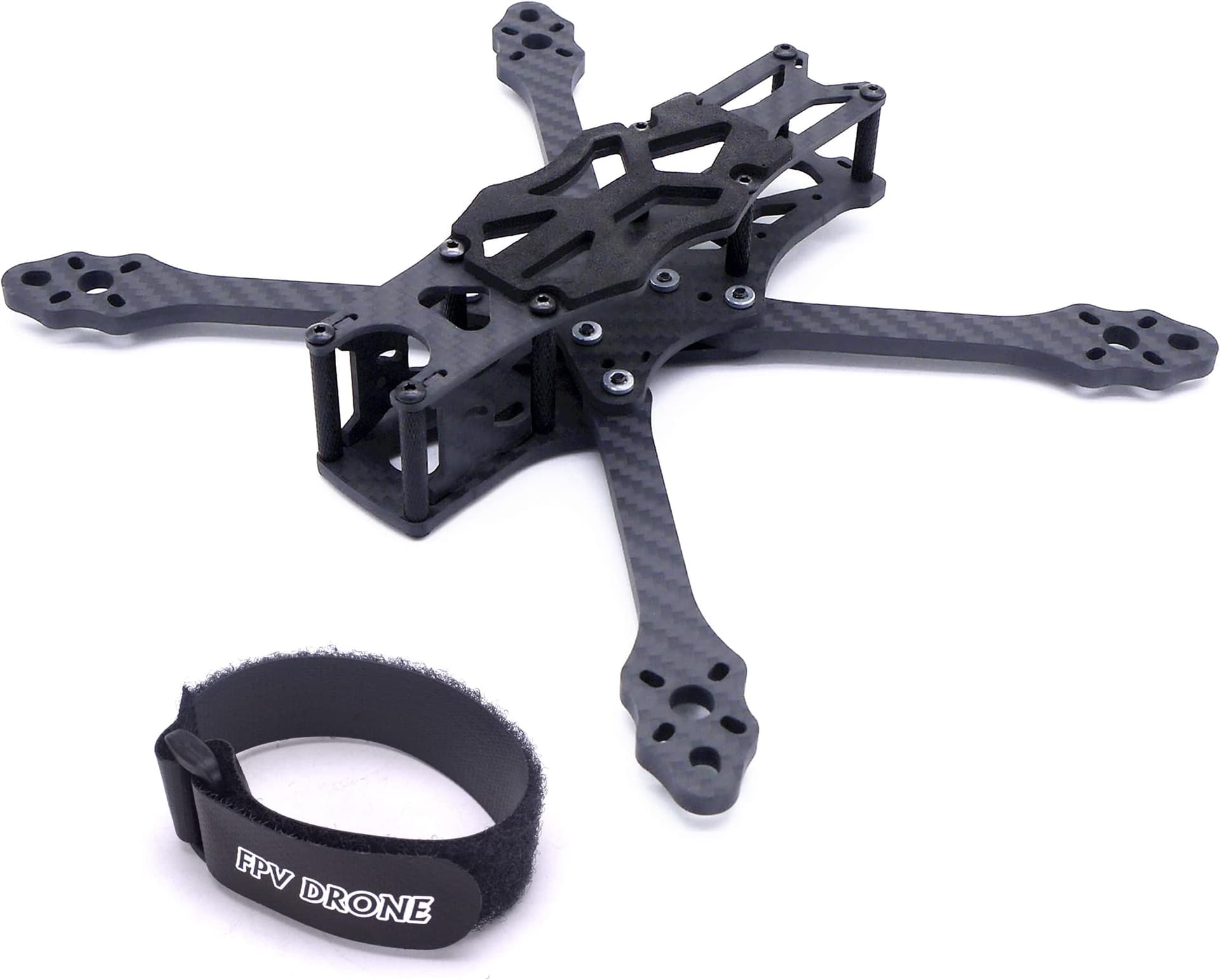
Begin with hardware selection tuned to a 5" race quad example. Use a 5" carbon fiber frame with crash-resistant geometry, an F4 or F7 flight controller with hardware-inverted UARTs for HD systems, and a 4-in-1 BLHeli_32 ESC sized to motor and battery currents, typically 30–50A. Choose 2207–2306 class motors with sealed bearings for durability and match motor KV to your 4S or 6S build. Carry a stack of quality 3–5 inch race props and keep at least 10 spare sets. Prefer ExpressLRS or FrSky R9/ELRS receivers for low latency, and select a lightweight analog VTX for traditional racing or an approved low-latency digital system where allowed. Use high-drain LiPo packs such as 6S 1000–1300mAh for high-power 5" quads and match capacity to motor and ESC currents. Replace antennas that are cracked and favor right-angle or omnidirectional types for the VTX.
Wiring and mechanical integrity are non-negotiable. Make clean, robust solder joints and add silicone protection where possible. Apply threadlocker to motor screws and use locknuts on props when appropriate. Soft-mount the flight controller and camera to reduce vibration and protect gyro readings. Check motor screws and prop nuts as part of every setup.
On the software side, flash the latest stable firmware for your flight controller and ESC and back up configurations before changes. Configure receivers with low-latency protocols like CRSF for ELRS and verify channel mapping. Set modes including arm, angle/acro, turtle and beeper, and set a dedicated switch for ABS/arm failsafe. Program failsafe to drop throttle to minimum and disarm on signal loss, and test it on the bench. Start filtering conservatively and reduce filter aggressiveness only after validation flights show stable behavior.

Tuning begins with a proven community PID tune matched to motor, prop and battery. Tune P first for attitude holding, then adjust D for damping using small increments. Set expo and RC rates to match your control style; race pilots generally prefer higher rates for quick stick response.
Race-day quick checks: physical inspection, props tight, frame and antenna secure, battery strapped. Perform motor spin tests with props removed, clear serial logs, confirm receiver binding and correct model selection on the transmitter. Set OSD battery warnings, ensure the beeper works, and brief spotters on the kill switch and marshal rules.
After flights, inspect props, motors and frame, log battery cycles and resting voltages, and store batteries safely. For common issues, re-run motor and ESC calibration after crashes, check prop balance and motor bearings for oscillations, verify failsafe and receiver telemetry for flyaways, and check VTX power and antenna connections for video breakup. Tailor component choices to class and local regulations, and prioritize regular maintenance and conservative tuning to get consistently faster and more reliable laps.
Know something we missed? Have a correction or additional information?
Submit a Tip