Raleigh Adopts Active Mobility Plan, Prioritizes Safer Walking and Cycling
The City of Raleigh has adopted an updated Active Mobility Plan that replaces the 2016 BikeRaleigh Plan and the 2013 Comprehensive Pedestrian Plan, setting new priorities for sidewalks and bicycle facilities across the city. The plan includes draft prioritization maps, lists project leads and budget details, and links to implementation projects such as Garner Road, Colleton Road and Blount and Person Street improvements, which will shape near term investments and safety projects for local residents.

City leaders adopted the 2025 Active Mobility Plan on Nov. 18, 2025, and the project page was updated on Dec. 5, 2025 to reflect the finalized document and supporting materials. The plan consolidates earlier policy work by updating the 2016 BikeRaleigh Plan and the 2013 Comprehensive Pedestrian Plan, and it sets a new framework for prioritizing projects, programs and policies intended to make Raleigh safer and more accessible for pedestrians and cyclists.
At the center of the plan are draft sidewalk and bicycle facility prioritization maps that officials say will guide which corridors receive funding and construction first. The published materials identify project leads and budget information, and provide links to the full 2025 Active Mobility Plan document and to the map resources that will steer implementation. The city is already linking the plan to active projects including Garner Road pedestrian improvements, the Colleton Road sidewalk project, and planned work around Blount and Person Street, each carrying recent update dates that indicate active management and follow through.
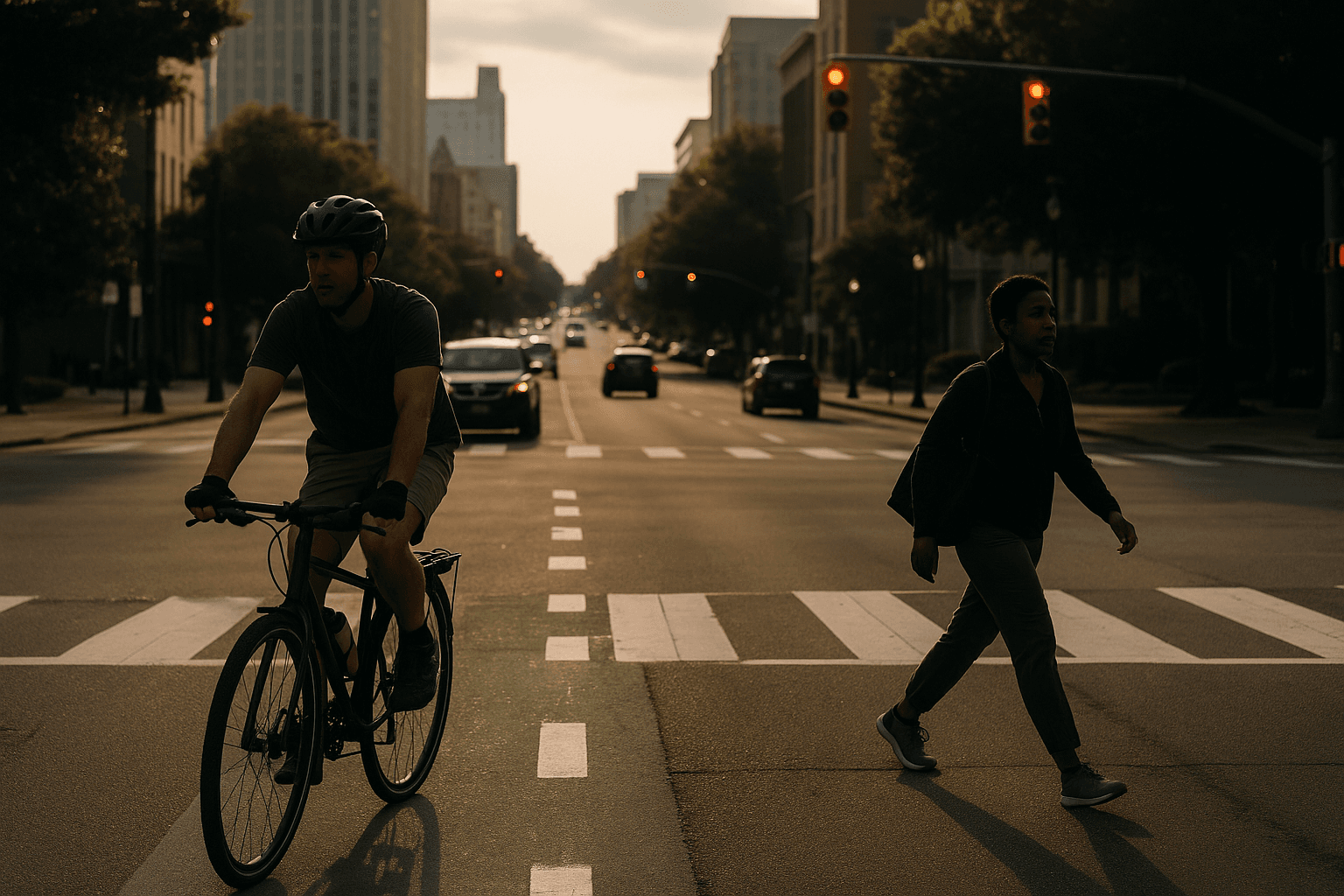
For Wake County residents the plan matters because it will shape where sidewalks, protected bike lanes and crossing upgrades appear, and how quickly those investments move from planning to construction. Prioritization maps typically influence capital budgets and grant applications, so the selection criteria embedded in the plan will affect equity of access, school routes, connections to transit and neighborhood safety. Listing project leads and budget details increases transparency, and the published resources create a concrete trail residents can use to track project status.
City staff have provided a contact email and online resources for residents to stay informed and follow implementation schedules. Civic engagement will be important as the city moves from policy to projects, because the plan establishes a roadmap for spending and design decisions that will affect daily travel, safety and local quality of life.