Raleigh Man Sentenced Over Threats Against President Biden and Agent
A Raleigh man was sentenced to a little over two years in prison after pleading guilty to communicating threats against President Joe Biden and a U.S. Secret Service agent. The case highlights federal enforcement of online threats and underscores local public safety and legal consequences for threatening speech.

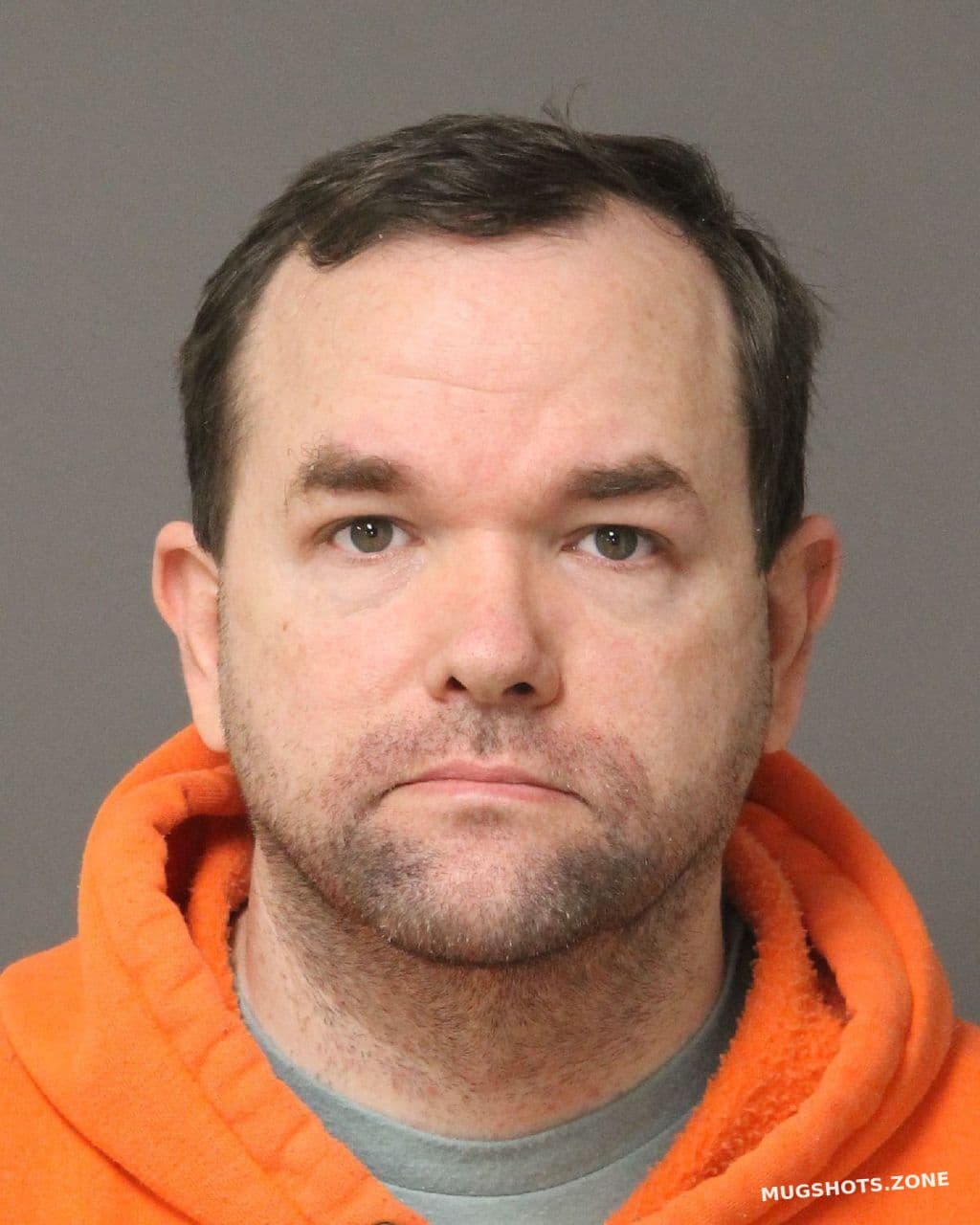
A federal sentencing on December 9, 2025 concluded the case of Michael James Ferr, 31, of Raleigh, who received a little over two years in prison after pleading guilty to communicating threats against President Joe Biden and a U.S. Secret Service agent. Ferr pleaded guilty on August 19, 2025 following an investigation that began after threatening comments were posted on the social media platform X, formerly known as Twitter, in January. Authorities also say Ferr threatened a Secret Service agent during a subsequent interview.
Prosecutors pursued the case under statutes that criminalize threats directed at the President and at federal law enforcement officers. The involvement of the U.S. Secret Service signaled the federal nature of the investigation from its early stages, and the guilty plea in August moved the matter toward sentencing. Court records show the timeline from online posts to the interview and eventual admission of guilt, culminating in the December sentence.
For Wake County residents the case carries immediate practical implications. The sentence underscores that online statements that constitute credible threats can lead to federal charges, interview by federal agents, and prison time. Local law enforcement and federal partners frequently coordinate on these matters, and prosecutions can draw investigative resources away from other community priorities. The proceeding may also serve as a caution to residents about the legal consequences of threatening speech on social media platforms.

Community leaders and officials often view prosecutions like this one as reinforcing public safety norms while balancing free speech considerations. The case also highlights how national security statutes can be applied to online behavior originating in a local community. Residents who encounter threatening content or receive direct threats are encouraged to report those incidents to local law enforcement so that appropriate federal or local authorities can assess and respond.
The sentence handed down on December 9 closes this chapter of the investigation in federal court, while reminding Wake County that digital platforms can be a front line for both misconduct and for law enforcement attention.
Sources:
Know something we missed? Have a correction or additional information?
Submit a Tip