RBA Seen Holding Cash Rate at 3.60 Percent, Long Pause Expected
A Reuters poll indicates the Reserve Bank of Australia is set to leave its cash rate at 3.60 percent on Tuesday and to keep it there through 2026, reversing earlier expectations of cuts next year. The shift reflects hotter than expected inflation and forces investors and policymakers to reassess the timing of future easing, with broad implications for borrowing costs and financial markets.
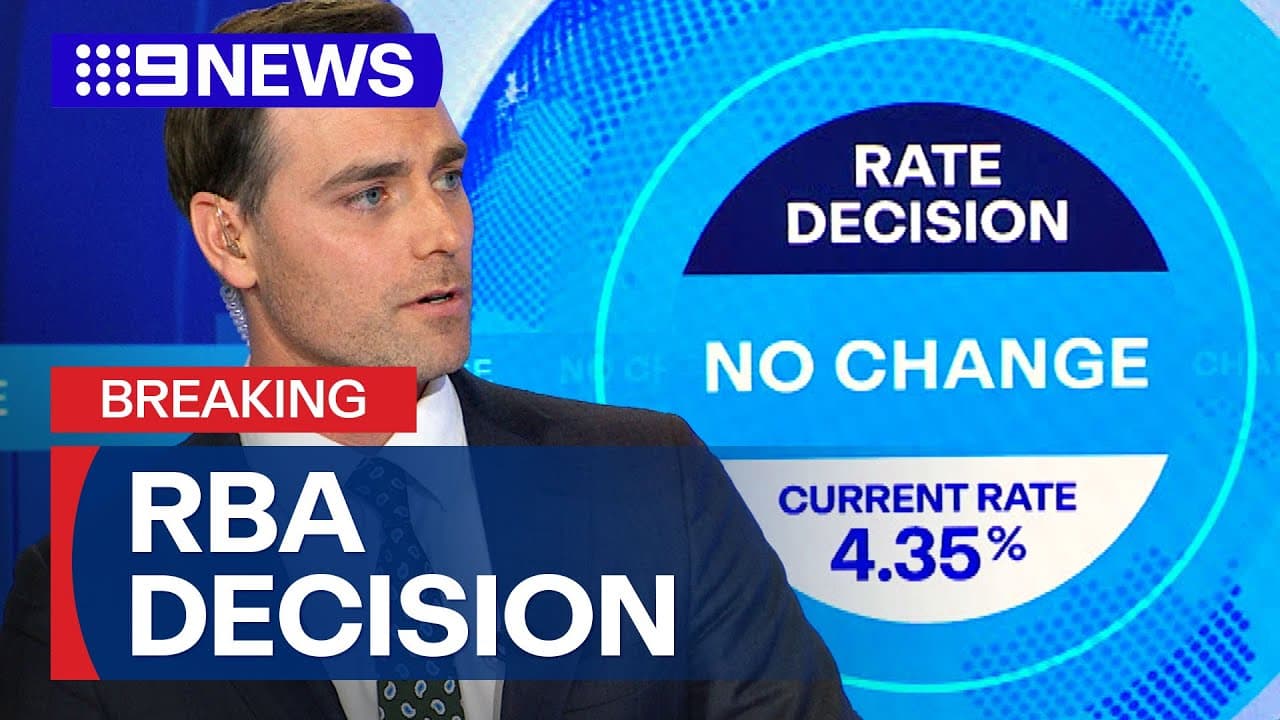
The Reserve Bank of Australia is expected to hold its cash rate at 3.60 percent at the conclusion of its two day meeting on December 9, according to a Reuters poll conducted from December 1 to 4. All 38 economists surveyed predicted no change at the meeting, and among those providing forecasts through the end of 2026 a strong majority said rates would remain at 3.60 percent for an extended period.
The poll marks a notable recalibration from November, when most economists anticipated at least one cut in 2026. The change in outlook followed a surprise uptick in monthly inflation data that showed headline consumer inflation rising to 3.2 percent, above the RBA target band of 2 percent to 3 percent. That increase eroded expectations for further easing after the bank reduced its policy rate by 75 basis points earlier this year from a peak of 4.35 percent, a level not seen in 12 years.
Market participants are taking note. A prolonged hold at 3.60 percent implies a longer runway for borrowing costs to stay elevated compared with prior expectations of near term cuts. For households and businesses, that prospect affects mortgage repricing, corporate financing plans and consumption decisions. For bond markets and the Australian dollar, the shift reduces downward pressure on yields and could support local yields relative to global peers that are pursuing easing.
The poll captured a broad reassessment of inflation dynamics and policy risk. Craig Vardy, head of Australia fixed income at BlackRock, summed up the change in market thinking, saying, "Given recent data...the RBA is likely to remain on hold for an extended period. We no longer expect another 25bp cut to the cash rate. Inflation has risen above the 2-3% target band and is too challenging for the RBA to look through."
Policy makers face a trade off between anchoring inflation expectations and avoiding excessive tightening that could tip the economy into recession. The RBA has already reversed much of the aggressive tightening cycle that pushed the cash rate to 4.35 percent, cutting 75 basis points in 2025. Yet the recent spike in inflation suggests underlying price pressures have not fully abated and that the central bank may prefer to hold policy steady to ensure the inflation path returns sustainably to the target band.
Beyond immediate market moves, the Reuters poll underscores longer term questions about the neutral rate of interest in Australia and the durability of global disinflation trends. If inflation proves stickier than anticipated, central banks worldwide could maintain tighter settings for longer, altering asset allocation and capital flows. Conversely, if inflation eases, a later and slower sequence of cuts would still leave monetary policy more restrictive over 2026 than many expected a month ago.
Investors and corporate treasurers will be watching incoming labour market data, wage growth metrics and future monthly inflation prints for signals of whether the RBA will maintain its newly cautious stance. For consumers, the prospect of a sustained policy hold means higher financing costs may persist into next year, shaping spending and saving choices as households adjust budgets under a slower path to rate relief.