Record Flooding Threatens Washington State as Rivers Approach Crests
An atmospheric river that moved across Oregon and Washington on December 10 unleashed heavy rain and prompted widespread flood warnings, evacuations, and sandbagging orders across vulnerable river towns. With the governor declaring a statewide emergency and officials warning rivers could reach record crests, residents were urged to follow evacuation orders and prepare for power outages and infrastructure damage.
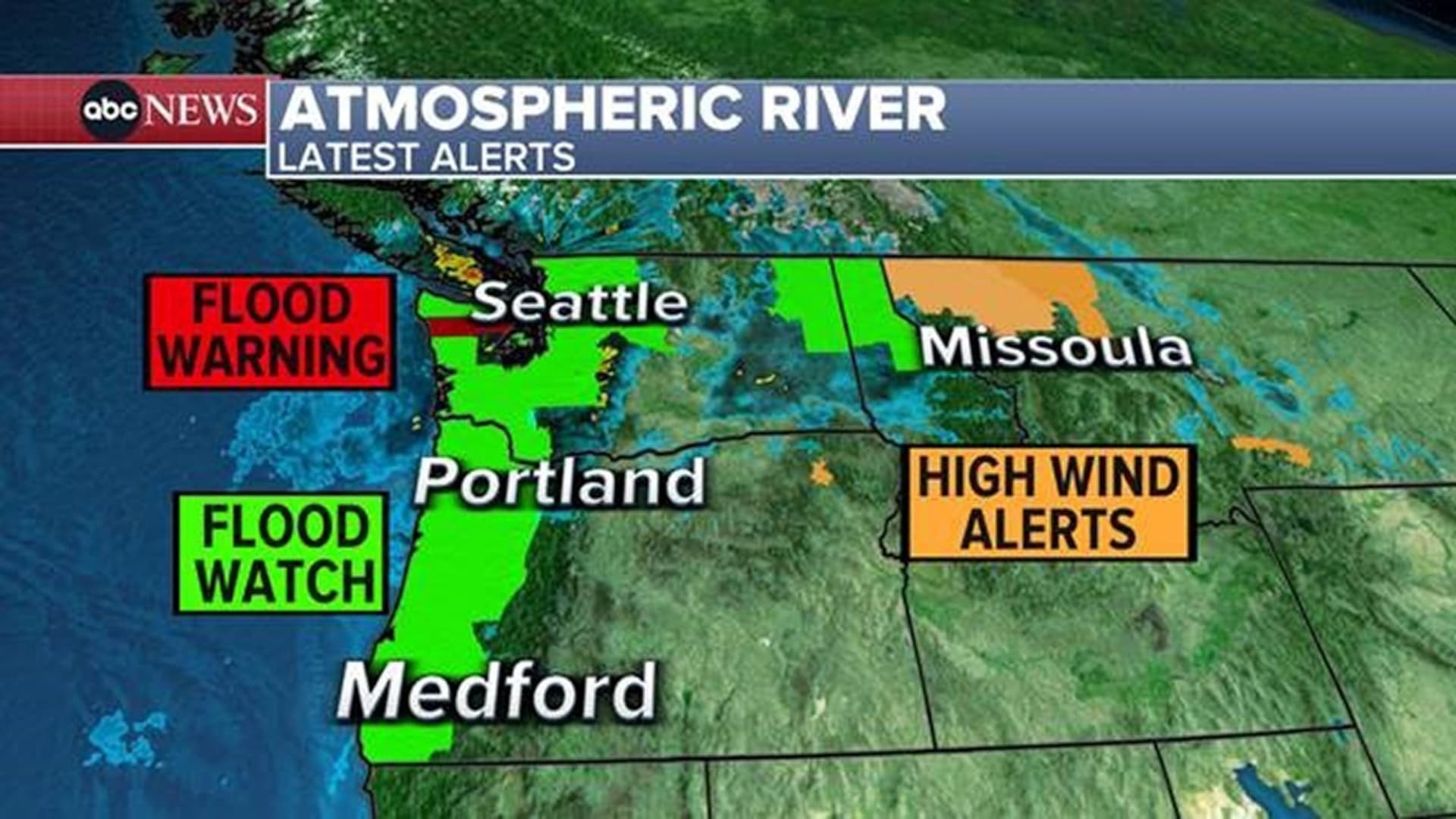
Communities across Washington confronted the aftermath of a powerful atmospheric river that pushed across Oregon and Washington on December 10, producing heavy rain and driving river levels to dangerous heights. Authorities issued urgent warnings for major river flooding, specifically naming the Skagit and Puyallup river systems, and ordered evacuations and sandbagging in low lying towns along affected banks.
The governor declared a statewide emergency to mobilize state resources and coordinate local response efforts. Local rescue teams worked through the day to reach people trapped by rising water, using boats and inflatable kayaks to retrieve stranded residents and motorists from flooded roadways and neighborhoods. Emergency managers warned that rivers in some basins could reach record crests and that conditions could deteriorate further if additional rainfall continued to feed swollen channels and saturated soils.
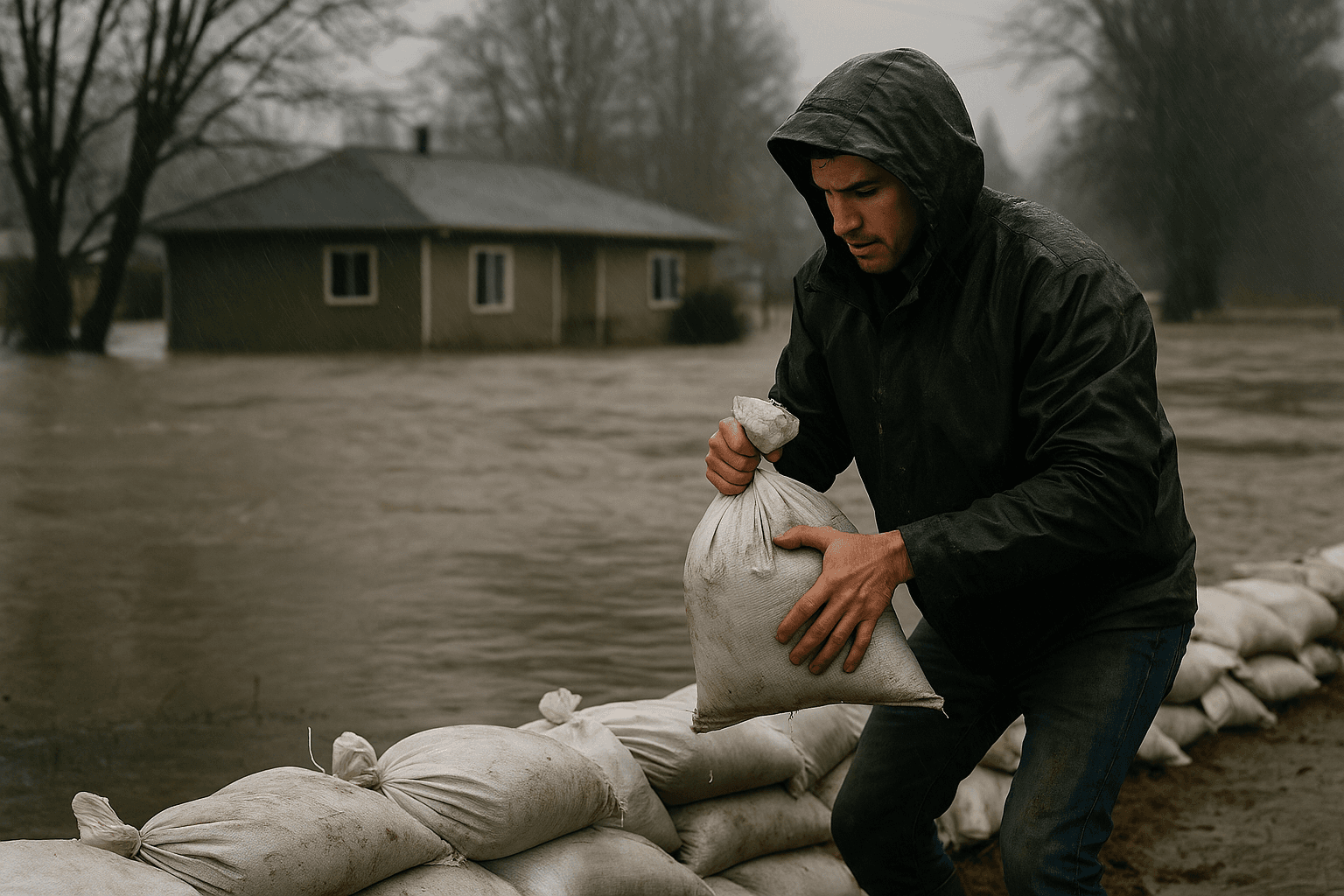
Public safety officials directed residents in designated floodplains to evacuate when ordered and to heed shelter instructions. Sandbagging operations were activated in vulnerable communities, and crews worked to reinforce levees and critical flood barriers. Officials also urged households to prepare for extended power outages and damage to roads, bridges, and other infrastructure that could isolate towns and delay repair crews.
The flood threat exposed deep inequities in flood risk and resilience. Low income neighborhoods, mobile home parks, and communities of color often sit in more flood prone areas and have fewer resources to evacuate or recover. Elderly residents, people with disabilities, and individuals who rely on electrically powered medical equipment face heightened health risks during prolonged outages. Tribal communities along river corridors frequently contend with limited infrastructure and long standing vulnerabilities to extreme weather, making timely resource allocation and culturally informed emergency planning essential.
Beyond immediate rescue operations, the public health implications are significant. Floodwaters can contaminate drinking water systems, overwhelm sewage treatment facilities, and spread mold and other environmental hazards that undermine long term housing safety. Health departments advised residents to avoid contact with flood water where possible, to discard food exposed to flood water, and to seek medical care if they experience symptoms following exposure. Mental health strains are also expected as households face displacement, property loss, and the stress of repeated storms in a changing climate.
State and local officials emphasized preparation for recovery, noting that emergency declarations enable faster deployment of state resources and coordination with federal partners if requested. Community based organizations and mutual aid networks were called upon to support shelters, distribute supplies, and reach populations who may be disconnected from mainstream warning systems.
As floodwaters receded in some areas on December 11, attention turned to assessing damage and restoring essential services. Officials reiterated a simple but urgent message for those still at risk, follow evacuation orders, stay away from flooded roads, and prepare for an extended recovery that will test the resilience of communities across Washington.
Sources:
Know something we missed? Have a correction or additional information?
Submit a Tip

