Redcedar Spread Linked to Lone Star Tick Expansion, Threatening Local Health
Oklahoma State University agricultural researchers reported that the spread of eastern redcedar trees is creating moist microclimates that are allowing lone star ticks to move into western and central Oklahoma, including Texas County. The change raises local concerns about increased tick borne disease and alpha gal syndrome, and researchers urged landowners and managers to act and policymakers to support further study and control efforts.
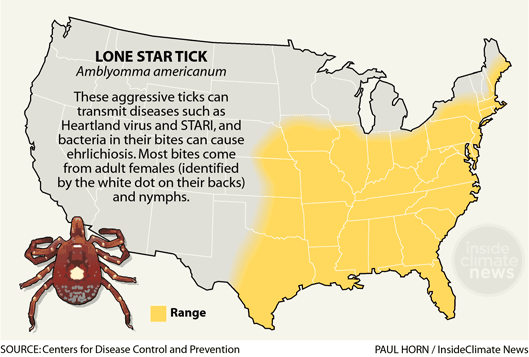
Oklahoma State University agricultural researchers reported on December 3, 2025 that advancing stands of eastern redcedar are facilitating the spread of lone star ticks into areas of western and central Oklahoma that were once too dry for sustained tick survival. The finding matters for Texas County because it links a visible change in the landscape to growing public health and agricultural risks for residents, ranchers and outdoor workers.
The researchers described how dense redcedar cover alters local conditions by creating a humidity dome beneath the trees. Those moister microclimates allow lone star ticks, which prefer damp environments, to survive and reproduce in grasslands that previously limited their range. The trees also attract deer and small mammals that serve as blood hosts, effectively concentrating wildlife and vector together and enhancing opportunities for ticks to establish new populations.
Public health implications include a likely rise in exposure to tick borne pathogens and to alpha gal syndrome, an allergic condition associated with bites from lone star ticks. Agricultural and ecological consequences may follow if expanded tick populations change livestock grazing patterns, increase veterinary costs, or shift wildlife behavior. The researchers cautioned that allowing cedar invasions to proceed unchecked will compound those risks.

Oklahoma State University experts recommended that landowners and managers prioritize control of cedar invasions and that state and local officials support targeted management actions. They also called for additional research to quantify disease risk and to provide the evidence base needed for land management decisions. Implementing effective responses will require funding, coordination and technical support so that small scale landowners and rural communities are not left bearing disproportionate costs.
For Texas County residents the study underscores a need to monitor changing vegetation and tick presence, and for policymakers to consider the intersection of invasive tree control, public health planning and agricultural resilience. Addressing the problem will demand both on the ground management and expanded monitoring so that decisions reflect measured disease risk and protect the most vulnerable residents and livelihoods.