Resistance Exercise Program Improves Health Among Nursery Workers
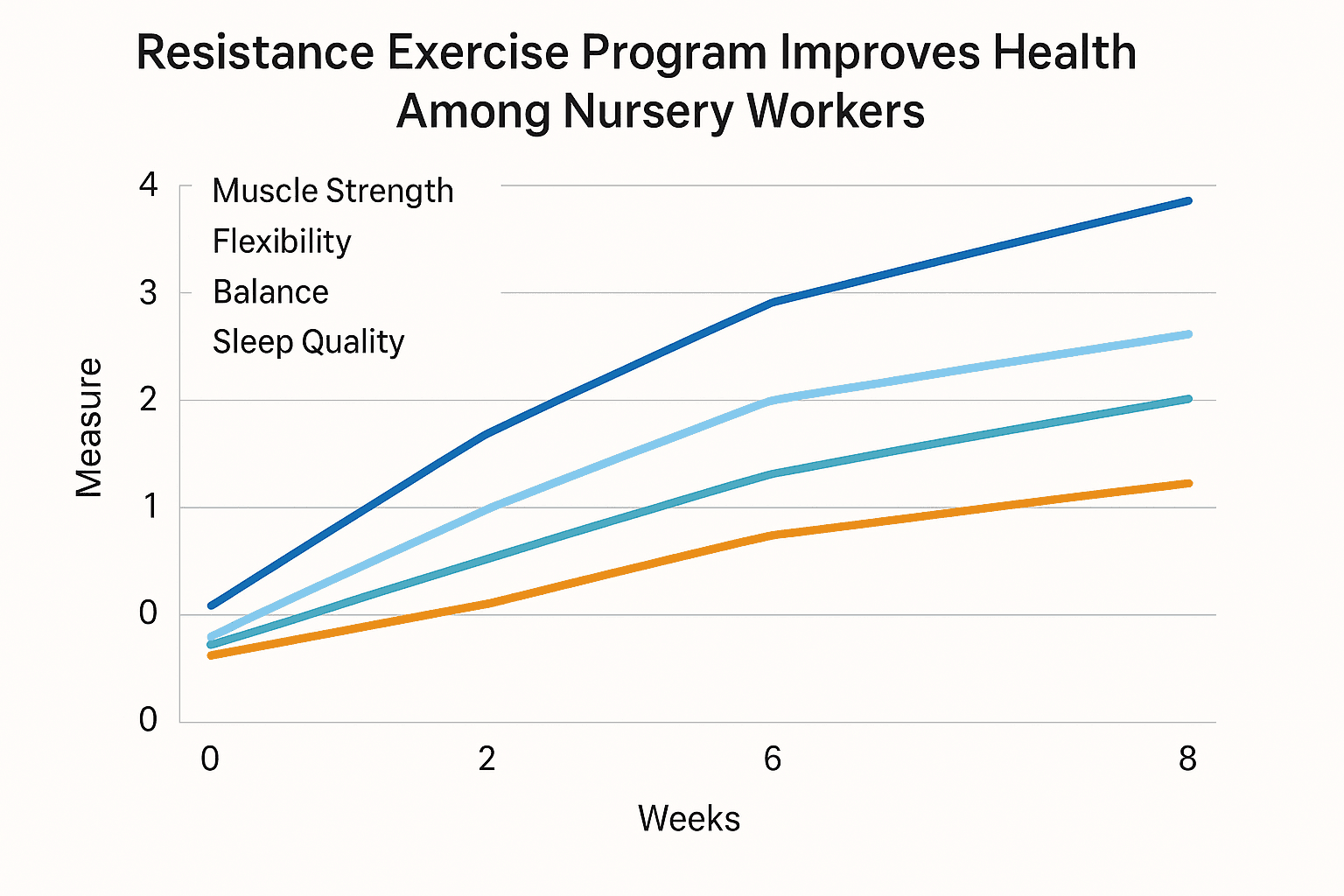
An eight week workplace based adaptation of the Stay Strong, Stay Healthy resistance exercise program produced measurable gains in strength, flexibility, balance and sleep quality among nursery workers. The findings suggest on site exercise programming can reduce musculoskeletal injury risk, improve job performance and offer a practical model for Texas County employers and public health partners.

Researchers at Oklahoma State University College of Education and Human Sciences conducted an eight week, workplace based adaptation of the Stay Strong, Stay Healthy resistance exercise program aimed at nursery workers. The mixed methods study found measurable improvements in physical function and worker wellbeing, including stronger muscles, greater flexibility, better balance and improved sleep quality. Qualitative feedback and quantitative measures also indicated increased self efficacy, reduced pain and improved ability to perform job tasks.
The intervention was delivered at the workplace, showing that on site programs are feasible in agricultural settings where long hours and physical labor raise the risk of musculoskeletal injury. For agricultural communities in Oklahoma's Panhandle, including Texas County, the results point to an actionable prevention strategy that can be integrated into existing work routines. Employers who invest in such programming may see fewer injuries, lower absenteeism and better retention among a workforce that often faces limited access to primary care and rehabilitation services.
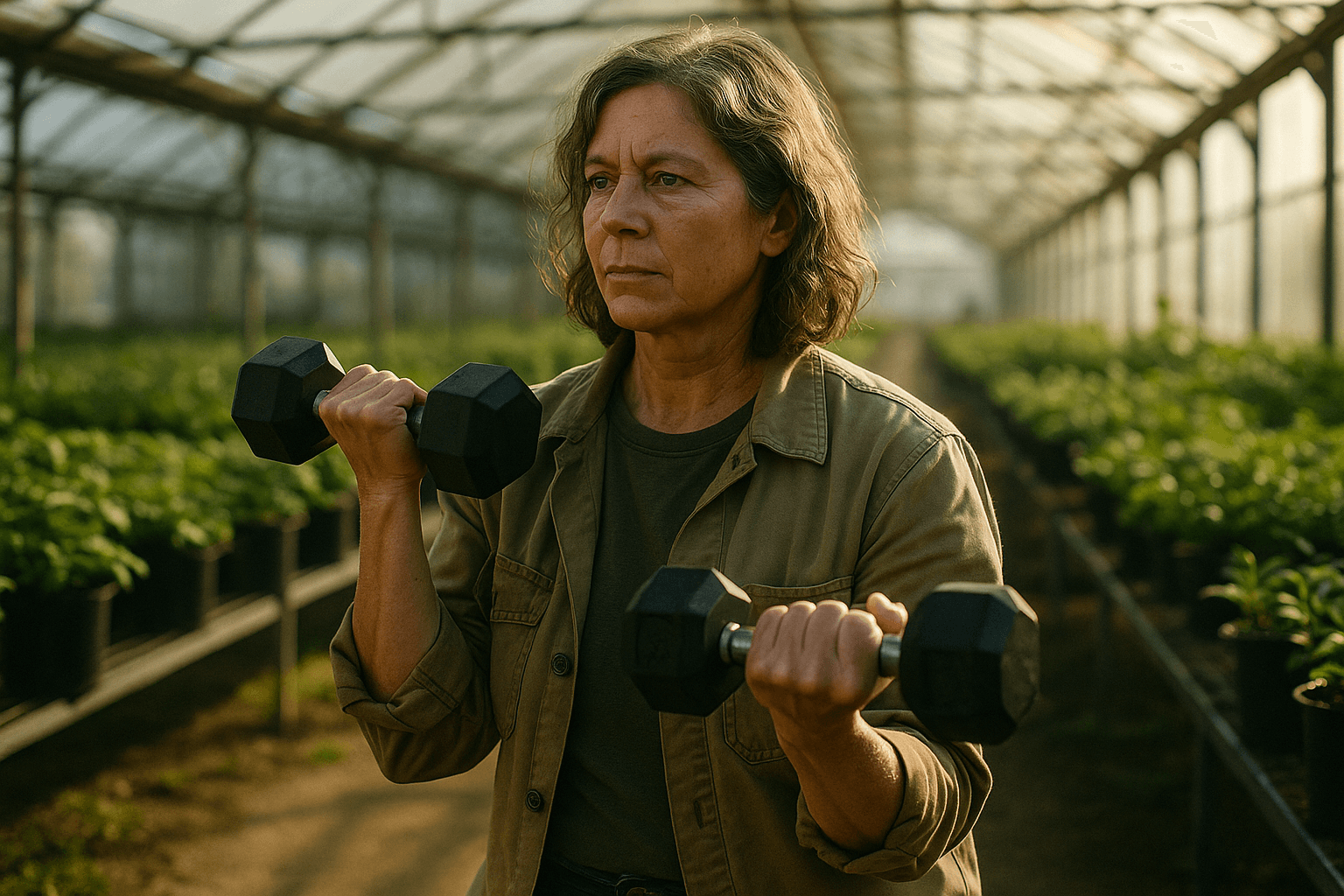
Public health implications extend beyond individual health gains. By improving functional capacity and reducing pain, the program helps address structural contributors to health disparities among rural laborers. Worksite exercise interventions can reduce reliance on costly medical care and workers compensation claims, while supporting older workers who form a growing portion of the agricultural workforce. Scaling similar programs to other labor intensive rural workplaces could strengthen community resilience and economic stability.
Local health departments, cooperative extension services and employer groups in Texas County can consider partnerships to replicate the model. Practical next steps include identifying suitable space at worksites, training a supervisor or peer leader to guide sessions, and securing modest funding for equipment and instructor time. Researchers say further scaling should include evaluation of long term outcomes and attention to scheduling that respects seasonal workloads.
The study offers a clear signal for policymakers and community leaders that preventive, workplace based health interventions can be both effective and equitable. For Texas County residents who work long hours in nurseries and other agricultural jobs, on site resistance exercise may be a low barrier, high impact tool to protect health and sustain livelihoods.