Rubio and Netanyahu hold phone talks on Gaza, Syria and Iran
senator Marco Rubio phoned Benjamin Netanyahu to discuss Gaza, Syria and Iran amid heightened regional tensions.
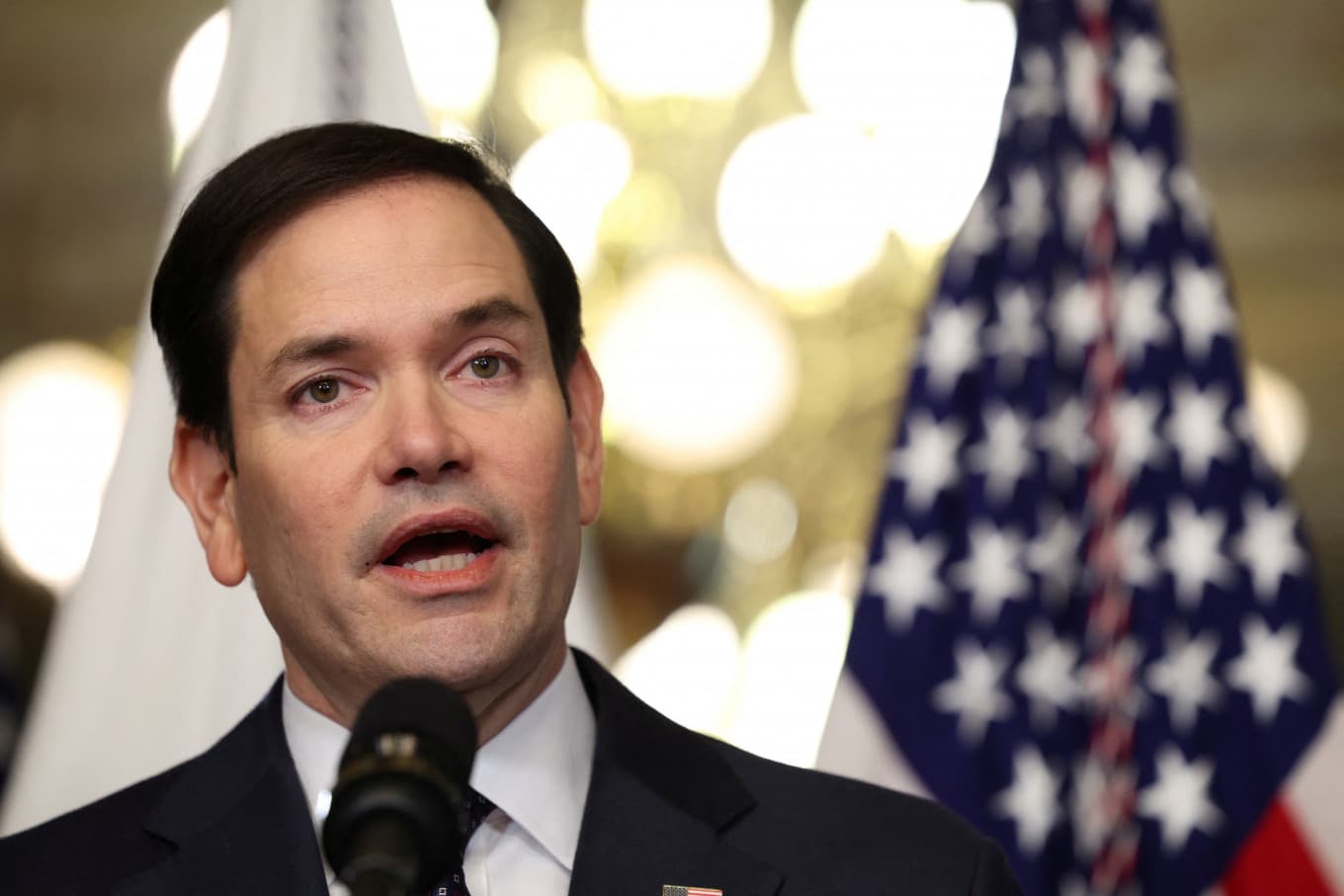
A phone call between U.S. Senator Marco Rubio and Israeli Prime Minister Benjamin Netanyahu was confirmed by a U.S. official, though the official declined to disclose the substance of the conversation. The call, which took place on Jan. 10, 2026, was reported by multiple outlets that attributed discussion topics to Gaza, Syria and mounting unrest in Iran.
Axios, citing reporter Barak Ravid and a U.S. source on X, said the exchange covered Gaza, Syria and the protests in Iran and described the conversation as a routine check-in. The Jerusalem Post, citing an Israeli source who was present on the call, reported that the leaders discussed the possibility of U.S. intervention in Iran amid large anti-government demonstrations; the Post also cited three Israeli sources saying Israel was on high alert for potential U.S. action. Reuters and the Straitstimes republished aspects of those accounts while noting they had not independently verified the detailed attributions beyond confirming the call itself.
The reported focus on Iran comes against a backdrop of intense tensions in the region. Multiple reports place Iran last year in a 12-day conflict with Israel and say U.S. strikes damaged Iranian nuclear facilities in June. Reuters described Iran as experiencing "its biggest anti-government demonstrations in years," a phrase echoed in other outlets. In Gaza, reporting noted a fragile ceasefire that began in October has largely stalled after the first phase, with Israeli and Hamas officials accusing each other of major breaches. Earlier in the week, Israel and Syria agreed in U.S.-mediated talks in Paris to set up a communications mechanism to coordinate on security and commercial issues, a step analysts view as an effort to contain direct confrontation.
Political context matters: since President Donald Trump took office in January 2025, Netanyahu has reportedly visited the United States five times, and Trump traveled to Israel in October. A YouTube caption referenced a prior in-person meeting between Rubio and Netanyahu in Jerusalem on Oct. 23, 2025. The frequency of high-level contacts underscores a sustained U.S.-Israel alignment that could shape responses if unrest in Iran escalates.
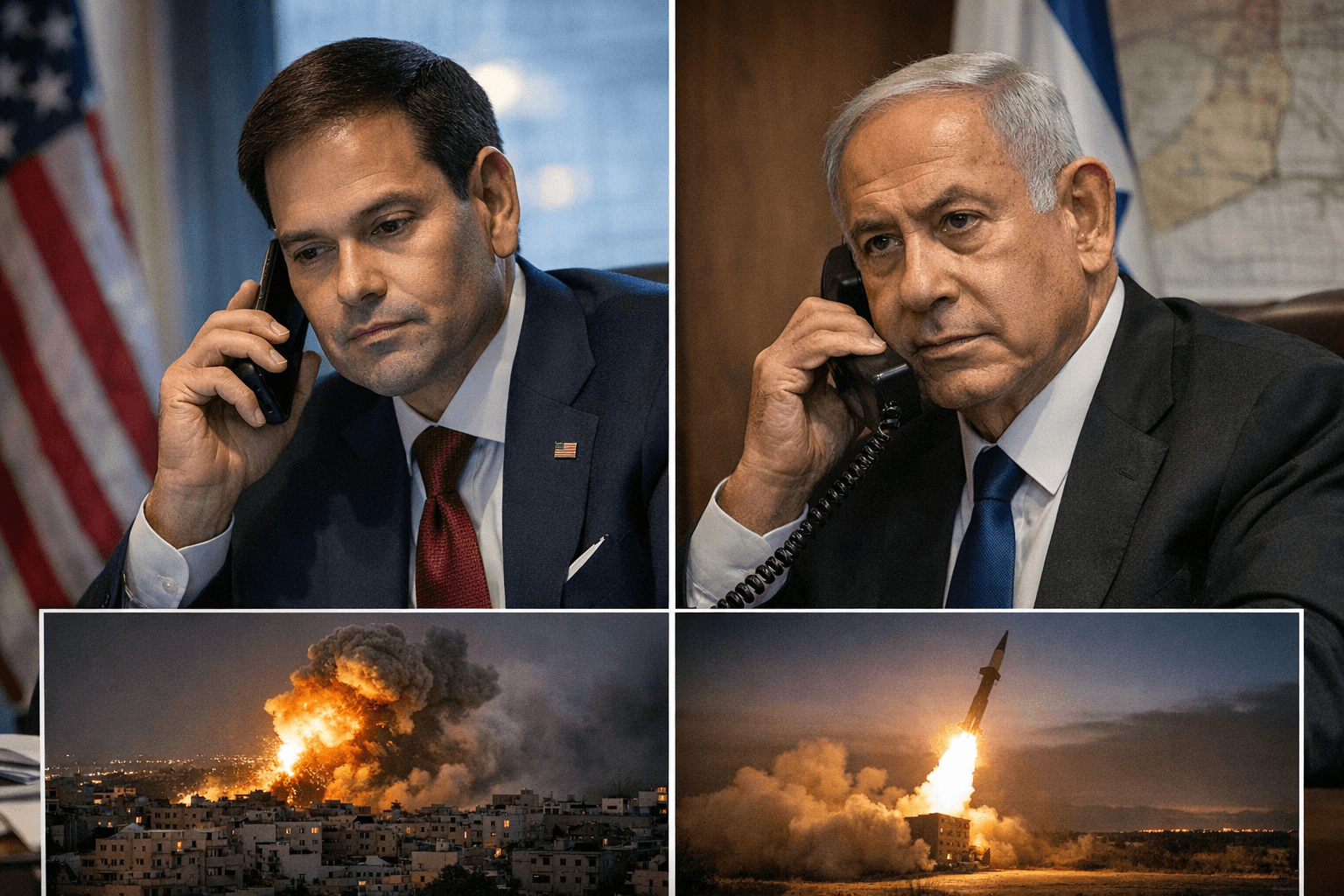
For markets and policy, the call signals heightened risk monitoring by U.S. and Israeli officials. Investors typically respond to such diplomatic developments with increased safe-haven flows and sharp sensitivity in energy and defense sectors. While no immediate market moves can be directly attributed to this call, sustained escalation around Iran or renewed military strikes would likely exert upward pressure on oil prices, bolster defense contractors and prompt portfolio shifts toward cash and government bonds. For policymakers, the principal questions are whether Washington is prepared to move beyond diplomatic support and how Israeli forces will posture amid uncertainty.
Journalists and analysts will seek direct confirmation from the U.S. State Department and the Israeli Prime Minister's Office on the call's content and will press Axios and The Jerusalem Post for further sourcing. For now, the single confirmed fact remains simple: Rubio and Netanyahu spoke by phone on Jan. 10, and the specifics of their exchange are reported by outlets but not independently verified by U.S. officials.
Know something we missed? Have a correction or additional information?
Submit a Tip