Russia Uses Oreshnik Hypersonic Missile in Strike Near Polish Border
Russian forces struck western and central Ukraine overnight on Jan. 8–9, 2026, in a massed barrage that included a rare Oreshnik hypersonic missile, killing at least four people in Kyiv and cutting power across the capital. The attack, which hit sites near the Polish border and reportedly damaged critical gas infrastructure, has raised alarms across Europe about escalation risks and energy security on the eve of intensified diplomatic talks.
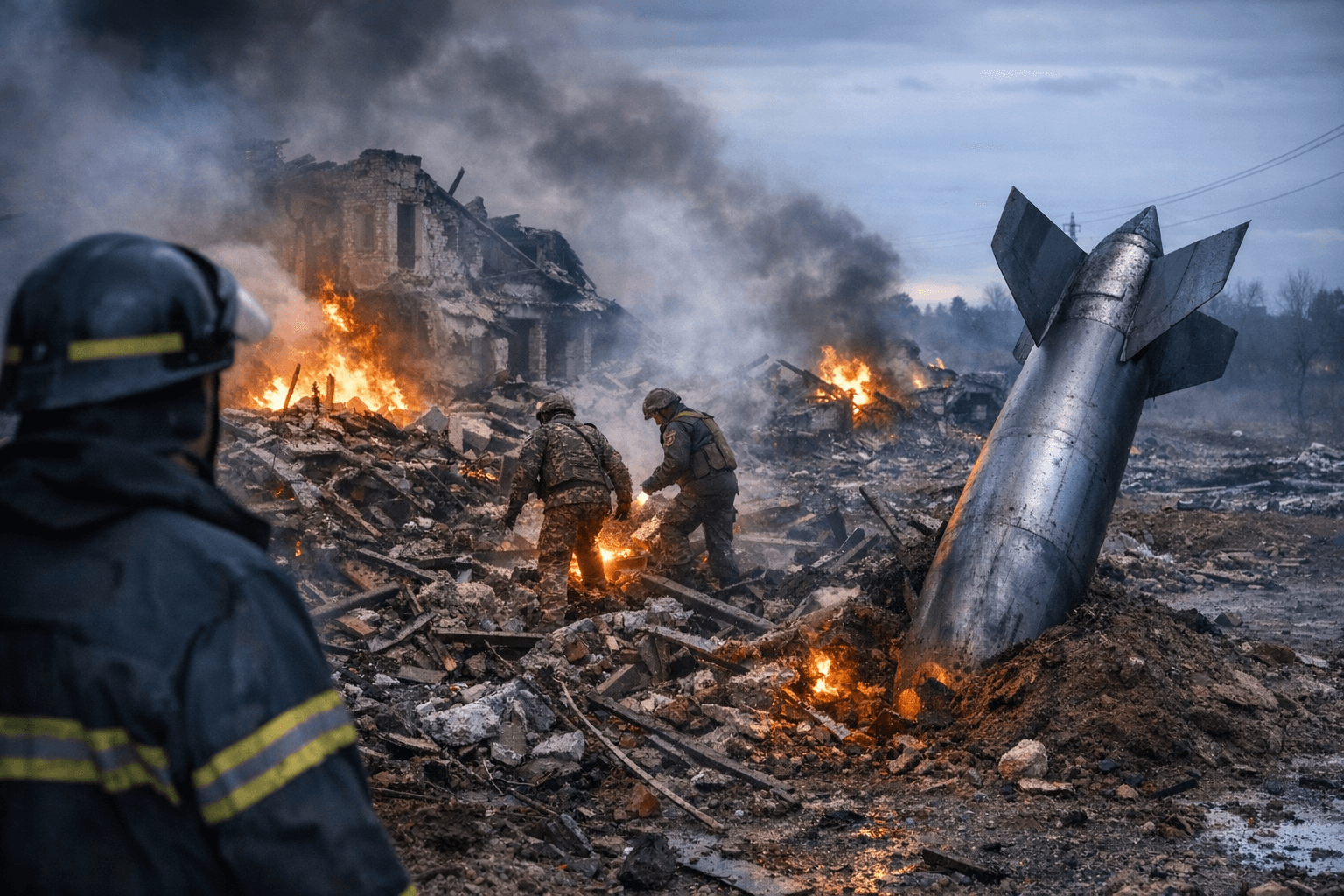
Russian forces launched a coordinated long‑range assault on Ukraine in the early hours of Jan. 9 that combined dozens of missiles with hundreds of unmanned aerial vehicles, producing widespread outages and civilian damage. The Ukrainian Air Force provided a tally of 36 missiles and 242 drones in the operation. Ukrainian authorities reported at least four people killed in strikes on Kyiv and extensive power disruptions across the capital and other regions.
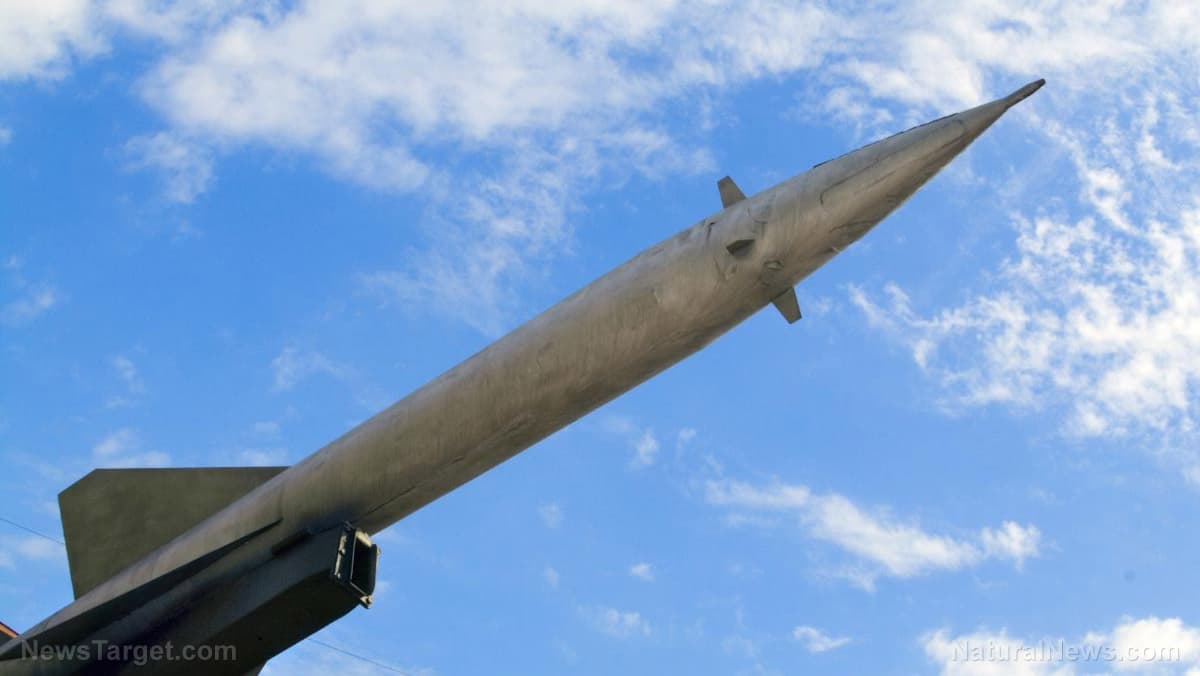
The strike was notable for the reported use of the Oreshnik, a mobile, medium‑range hypersonic ballistic missile system that Russia describes as capable of carrying multiple warheads and either conventional or nuclear payloads. Ukraine’s Security Service and regional investigators said they recovered debris believed to be from an Oreshnik in the Lviv region in western Ukraine; Kyiv officials and some analysts said the missile was launched from the Kapustin Yar area near the Caspian Sea. Moscow’s Defense Ministry framed the operation as retaliation and said it carried out a "massive strike" with high‑precision long‑range land‑ and sea‑based weapons, including the Oreshnik.
Russian accounts claimed the hypersonic weapon struck an underground natural gas storage facility near the EU and NATO border with Poland. Ukrainian officials reported explosions and a ballistic missile impact on a critical infrastructure facility in the Lviv area, but independent verification of the precise impact point and the status of the storage site remained incomplete. The location of the debris and the proximity to allied territory prompted urgent safety and escalation concerns among European capitals.
Western governments strongly criticized the attack. Ukrainian Foreign Minister Andriy Sybiha warned that strikes close to EU and NATO borders posed a "grave threat to security." U.K. Defense Secretary John Healey, visiting Kyiv, called the attacks "brutal" and condemned strikes on residential areas. U.S. officials also disputed Moscow’s pretext for the assault, saying allegations that Ukraine had targeted a presidential residence were unfounded and that the CIA assessed Ukraine was not responsible for such an attack.
Beyond the immediate human toll, the strike carries economic and strategic consequences. If the Oreshnik did strike energy infrastructure, the event would heighten European concerns about winter gas reserves and the vulnerability of cross‑border energy storage. Even where direct damage is unconfirmed, attacks near fuel or storage assets raise insurance and logistics costs and can lift energy risk premia, with potential spillovers into European industrial production and short‑term energy prices.
The use of a hypersonic system in an attack near NATO-aligned territory also sharpens long‑term policy questions. Allies face pressure to accelerate air‑and‑missile defense deployments, shore up critical infrastructure, and sustain military assistance to Ukraine, choices that will affect fiscal plans and defense procurement for years. Analysts say recurrent strikes of this scale risk normalizing higher defense spending and intensifying an arms dynamic that will complicate diplomacy aimed at ending the war.
Kyiv requested a UN Security Council meeting and European leaders called for a coordinated international response. With diplomatic activity under way to find a path out of the conflict, the strike is likely to harden negotiating positions and increase the political cost of deescalation for parties on both sides.
Know something we missed? Have a correction or additional information?
Submit a Tip