Russian drone-swarm attack sparks fires in Kyiv's Solomyanskyi district
An overnight Russian air and drone assault has ignited fires in Kyiv's Solomyanskyi district; Ukrainian air defences report heavy interceptions and disrupted strikes.
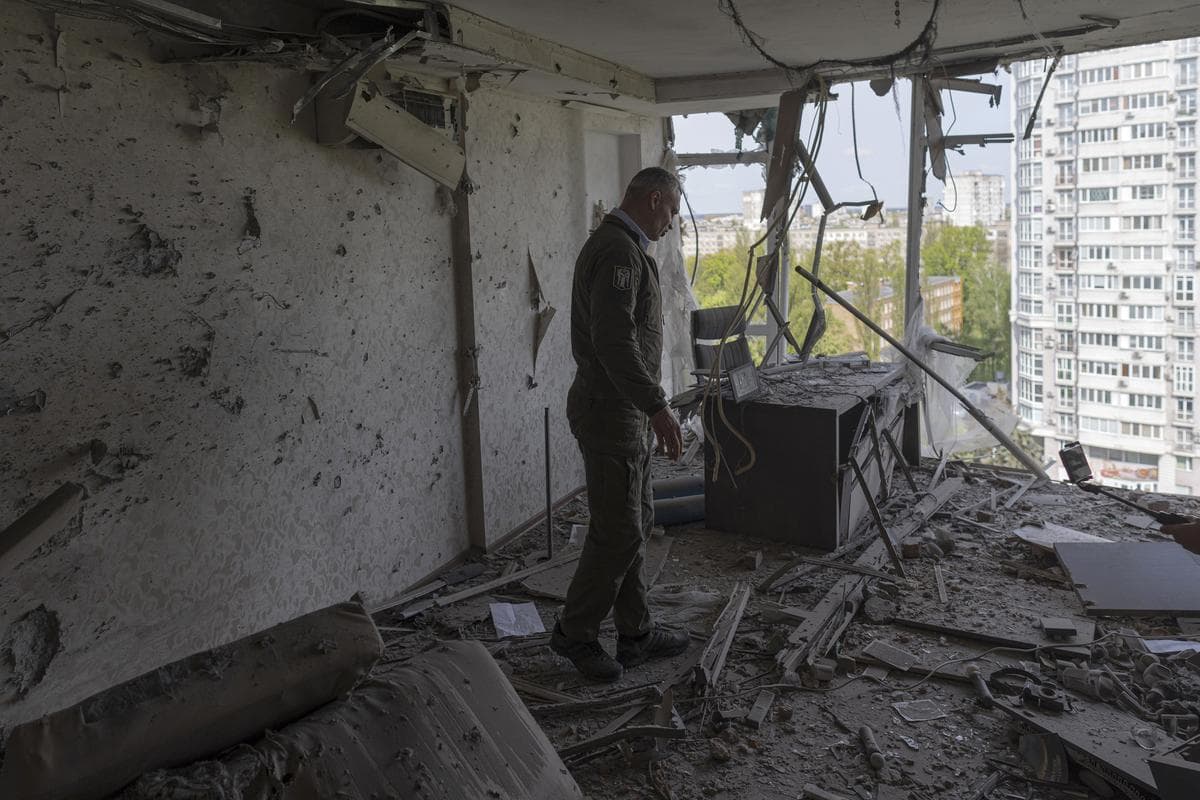
An overnight Russian air and drone assault has sparked fires in Kyiv's Solomyanskyi district, Ukrainian officials say, as the capital's air-defence units worked to repel a large barrage. Kyiv's military-administration chief Timur Tkachenko and Mayor Vitali Klitschko posted updates on Telegram as emergency teams responded to damage and local authorities assessed the impact.
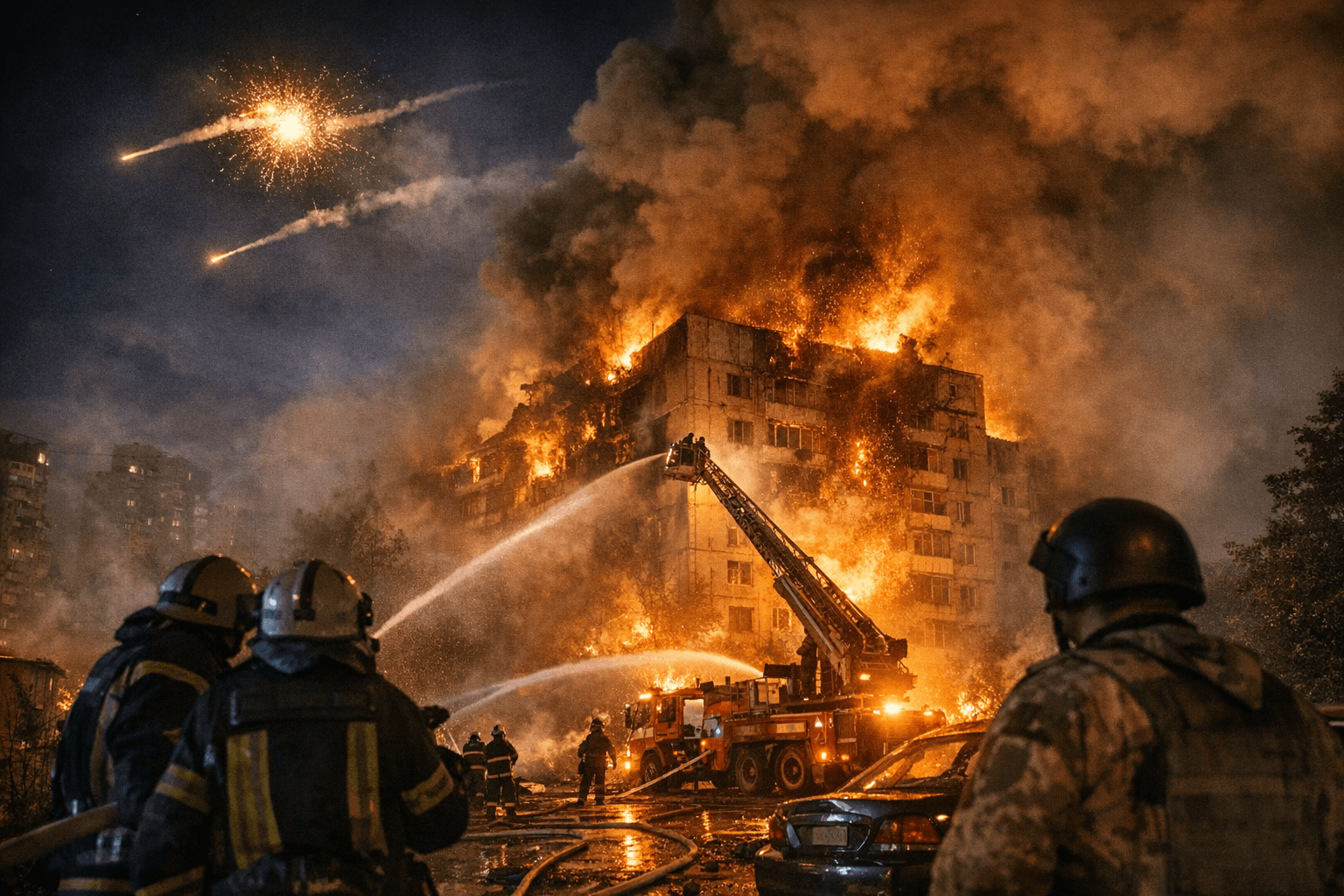
Local reports say one enemy drone struck and set ablaze a non-residential building in Solomyanskyi, while the shockwave from a downed drone shattered windows and ignited a separate fire in an apartment block. Both fires were extinguished, the mayor reported, and there are no confirmed casualties from this overnight incident so far. Kyiv's civil and emergency services remained on alert through the morning.
The Ukrainian Air Force reported that Russia launched 156 attack drones overnight, citing a mix of Shahed and Gerbera types among others. By 8:00 a.m. local time, authorities said 135 of those drones had been shot down or electronically suppressed by Ukrainian air-defence systems. Kyiv officials described intensive anti-aircraft operations across the region as the attacks unfolded.
The strike on Kyiv comes amid a broader intensification of long-range assaults and cross-border operations. Ukrainian officials say earlier strikes this month included a hypersonic Oreshnik missile and a heavy drone-and-missile barrage that disrupted power and heating infrastructure and resulted in fatalities in the capital. In parallel, Ukrainian forces are reporting operations inside Russian territory, including a strike on an oil depot in the Volgograd region that local authorities say may prompt evacuations; Volgograd Governor Andrei Bocharov reported no immediate casualties.
Independent verification of drone-launch and interception figures for the Jan. 11–12 attack is not yet available, and officials have not released on-the-record casualty figures tied to the Solomyanskyi fires. Kyiv emergency services continue to update local damage assessments and monitor essential utilities for ripple effects from the overnight strike.
The pattern of mass drone attacks and reciprocal strikes across borders underscores the evolving character of the campaign and the pressure it places on air-defence networks, civilian infrastructure and winter resilience. Kyiv's ability to intercept large numbers of low-cost attack drones has repeatedly been tested, raising questions about the sustainability of defenses and the humanitarian consequences should more densely populated targets be struck.
From an international law perspective, attacks that damage civilian structures or essential services attract scrutiny under the laws of armed conflict. Ukrainian and regional officials are signaling that they will continue to defend population centers while documenting incidents for potential legal and diplomatic responses. At the same time, the reciprocal strikes inside Russia add layers of political risk that could complicate de-escalation efforts and international mediation.
As Kyiv tallies the material damage and monitors further threats, the immediate priority for authorities remains civilian protection, restoration of any affected services and maintaining layered air-defence readiness in the face of persistent aerial threats.
Know something we missed? Have a correction or additional information?
Submit a Tip