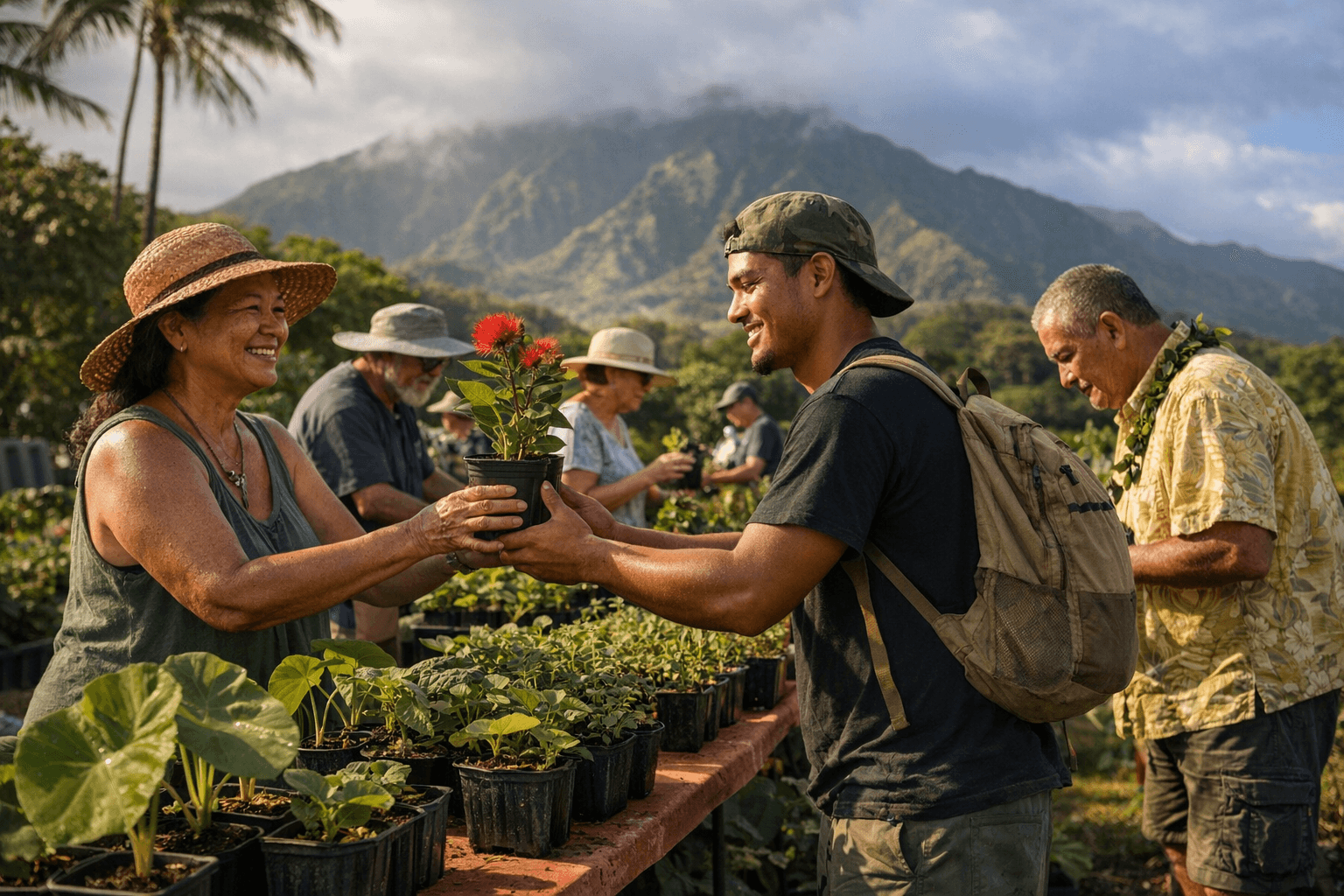
Russian Fort Elizabeth (Pāʻulaʻula) remains a coastal landmark and community asset
The partially built 1817 Russian Fort Elizabeth sits on Waimea River bluff; its fragile stone walls and cultural sites draw visitors and affect local tourism, safety, and preservation needs.
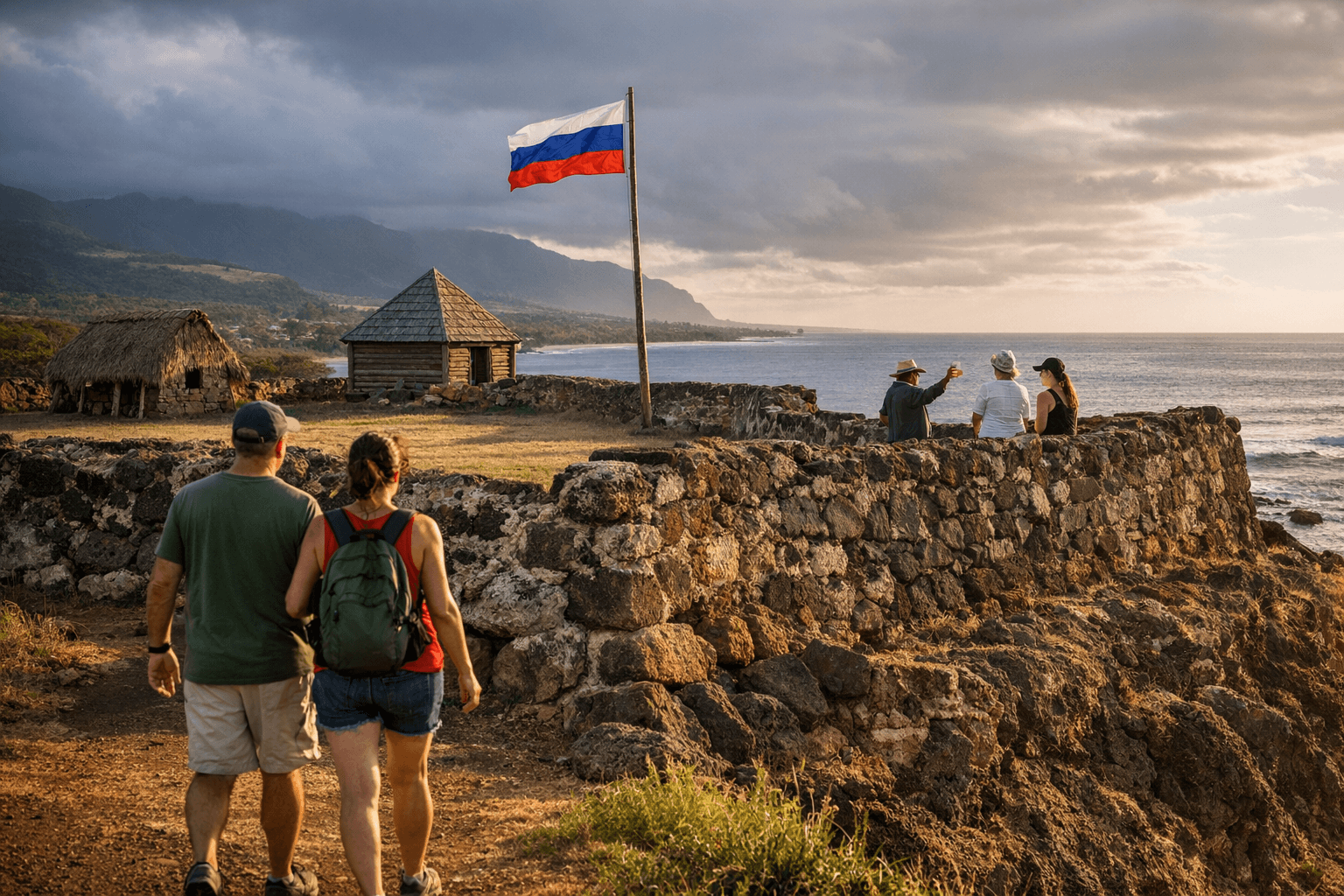
Russian Fort Elizabeth, known in Hawaiian as Pāʻulaʻula, is a visible reminder of an 1817 Russian‑American Company effort to secure a foothold in Hawai‘i for provisioning its Alaskan and Californian ventures. The project was only partially completed by the Russians in 1817; Hawaiians finished the work after the company left, leaving the octagonal fort ruins that occupy an 18‑acre coastal bluff overlooking the Waimea River and the town of Waimea.
Visitors who walk the park can see the thick stone walls and interior rock alignments that mark former building foundations, though the full octagonal plan is not obvious from ground level. A short path toward the riverbank highlights the fort’s strategic siting and provides a sweeping view of the Waimea Bridge and the river mouth. The park’s name, Pāʻulaʻula, comes from the Hawaiian for red‑brown earth, a reference to Waimea’s distinctive soil color and local landscape.
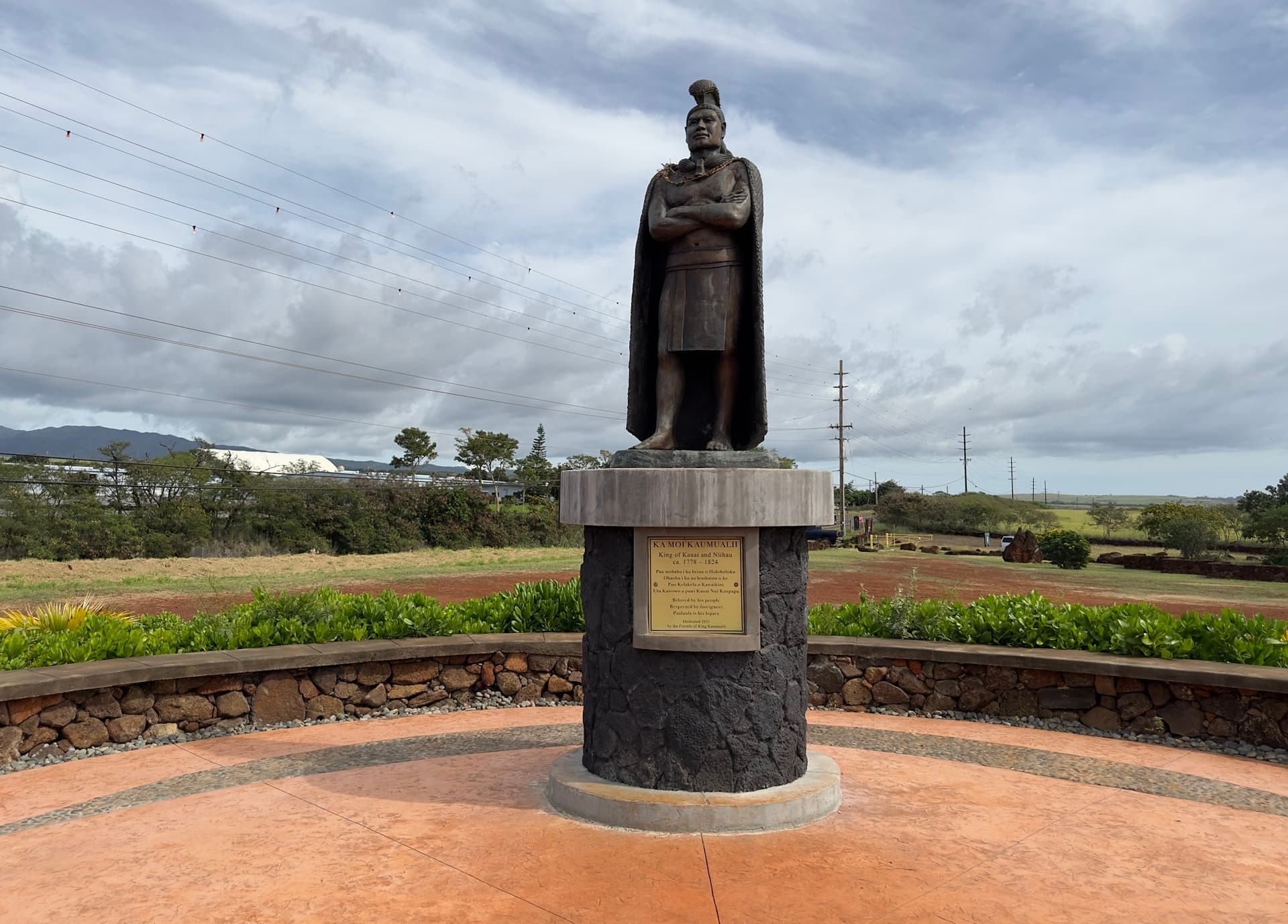
The site is free and open in daylight hours; practical guidance for residents and visitors is straightforward. Stay on established paths and avoid climbing on the rock walls, which are fragile and subject to collapse. Bring water and sun protection, and observe cultural protocols while on site. The Kaumuali‘i statue and its ahu are central cultural features at the park where ho‘okupu, or offerings, are allowed.
For Kauai’s economy and community planning, Pāʻulaʻula functions as both a heritage asset and a management challenge. As a well‑located, free historic attraction it supports local visitor flows that benefit Waimea businesses, from food service to guiding and retail. At the same time, preservation of fragile masonry and safety management on a coastal bluff require ongoing attention from county and community stewards. The combination of heavy foot traffic, fragile structures, and coastal exposure underscores the need for clear signage, path maintenance, and collaboration with Native Hawaiian cultural practitioners to protect both people and place.
Longer term, the park sits at the intersection of heritage tourism and environmental pressure. Coastal bluffs are vulnerable to erosion and storm impacts, so protecting the fort’s fabric and the surrounding bluff will likely need coordinated planning that balances public access with conservation. Local leaders and residents can shape this by supporting respectful visitation, volunteering for stewardship efforts, and urging pragmatic management priorities that keep the site safe and culturally appropriate.
Our two cents? Treat Pāʻulaʻula like a neighborhood treasure: visit during daylight, leave the walls alone, bring water and sunscreen, and show aloha for the cultural protocols at the ahu so future generations can enjoy those red‑brown views and Waimea sunsets.
Sources:
Know something we missed? Have a correction or additional information?
Submit a Tip