Seminole County replaces eight LYNX routes with on-demand Scout
Eight LYNX routes in Seminole County ended Jan. 11 and were replaced by Scout on-demand service; riders face new fares and zone-based pickups that change routine travel.
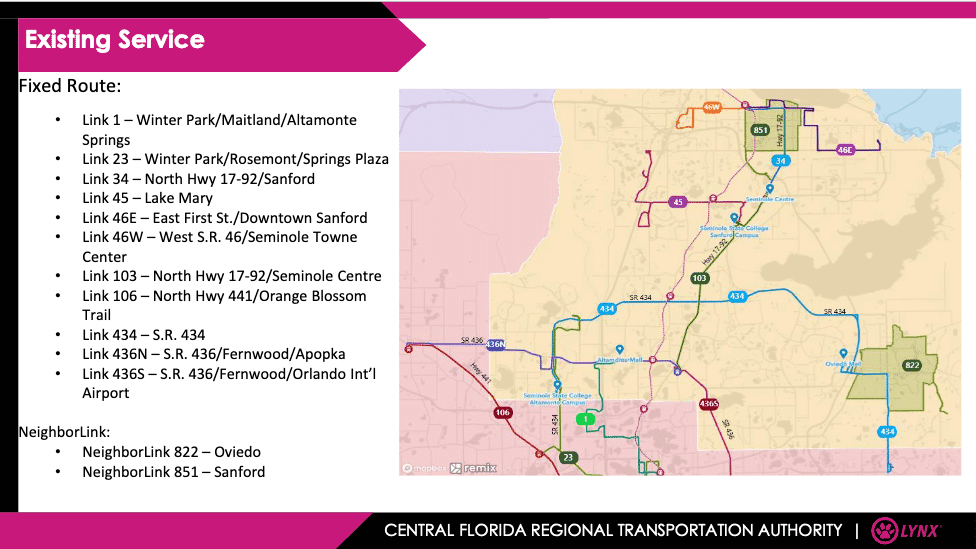
Seminole County shifted eight fixed LYNX bus routes to the county-operated Scout on-demand microtransit service on Jan. 11, a move officials said was driven by low ridership and high operating costs on those corridors. The change affects commuters and everyday riders who relied on scheduled stops for errands, courthouse visits, and routine appointments.
The discontinued services included Link 34 (N. U.S. 17-92/Sanford), Link 45 (Lake Mary), Link 46E and 46W (East and West SR 46 to Sanford and Seminole Towne Center), Link 103 (N. U.S. 17-92 / Seminole Center), Link 434 (SR 434), and Neighborhood Links 822 (Oviedo) and 851 (Sanford). Scout, operated by Freebee under the county’s contract, provides zone-based, on-demand pickups rather than fixed-route schedules. Fares start at $4 and increase by the number of zones crossed, with discounts available for eligible riders.
County leaders framed the transition as a fiscally prudent response to persistent low boardings on the eight routes. Officials said they used travel and boarding data to draw Scout service zones intended to reflect actual trip patterns and that they will make ongoing adjustments as usage data comes in. From an institutional standpoint, the shift reallocates operational dollars away from underused fixed routes toward a flexible platform that can adapt to where riders are actually traveling.
Local riders voiced concern about the loss of fixed stops that provided predictability and easy access for short, essential trips such as courthouse business and medical appointments. For people without smartphones, those with limited digital literacy, and riders who rely on consistent stop locations, on-demand services can introduce friction and unpredictability. Fare increases for cross-zone travel could also raise equity questions for riders who must cross multiple zones for work or services.

Policy implications for County Commissionors and transit planners include monitoring whether cost savings materialize, whether service changes reduce overall travel times or simply shift burdens onto certain rider groups, and how to ensure equitable access for seniors and mobility-limited residents. The county’s reliance on real-time data to fine tune zones will be a test of whether microtransit can replace fixed routes without leaving transit-dependent riders behind.
The takeaway? If you used one of the discontinued routes, plan alternate travel, allow extra time, and check how Scout’s zones affect your fare. Consider raising concerns at county transit meetings so adjustments reflect Seminole County travel realities and needs. Our two cents? Stay engaged and make your trips and costs visible to the people managing the change.
Sources:
Know something we missed? Have a correction or additional information?
Submit a Tip