State delivers more than $1 million to Seminole County for immigration enforcement
Florida CFO Blaise Ingoglia presented over $1 million to the Seminole County Sheriff’s Office for immigration enforcement funding - the money will fund 287(g) training, reimbursements and bonuses tied to ICE partnerships.
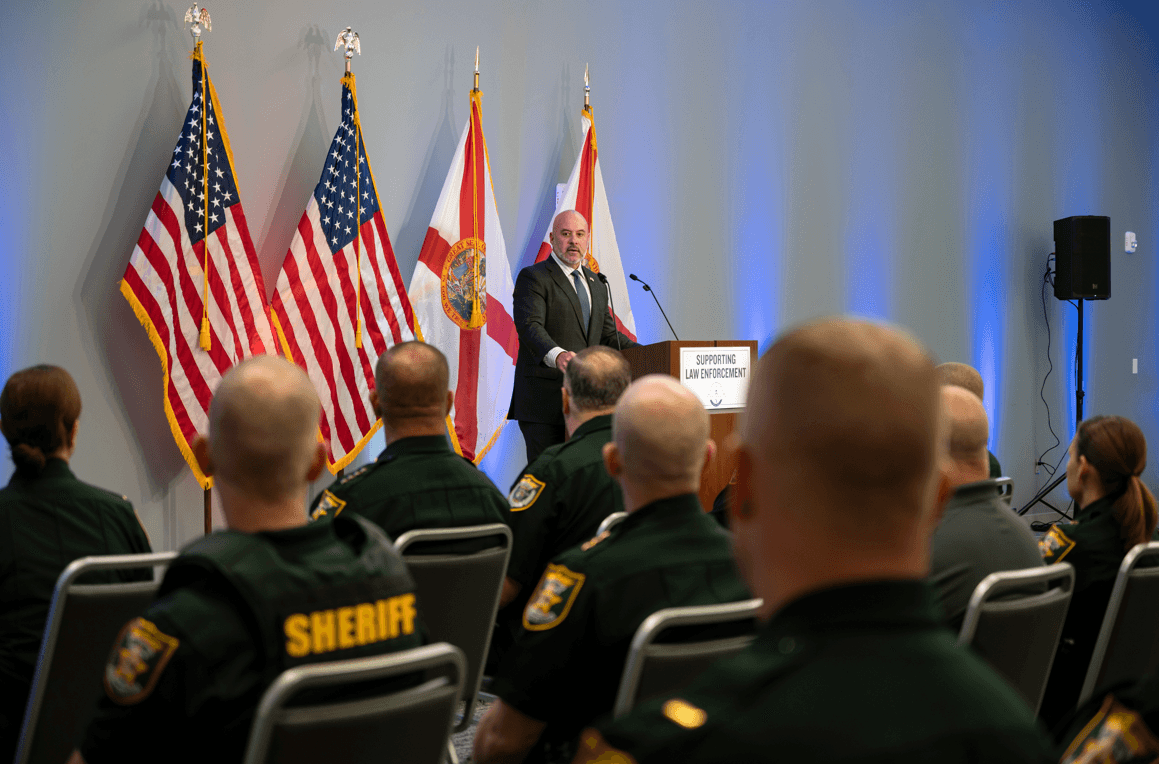
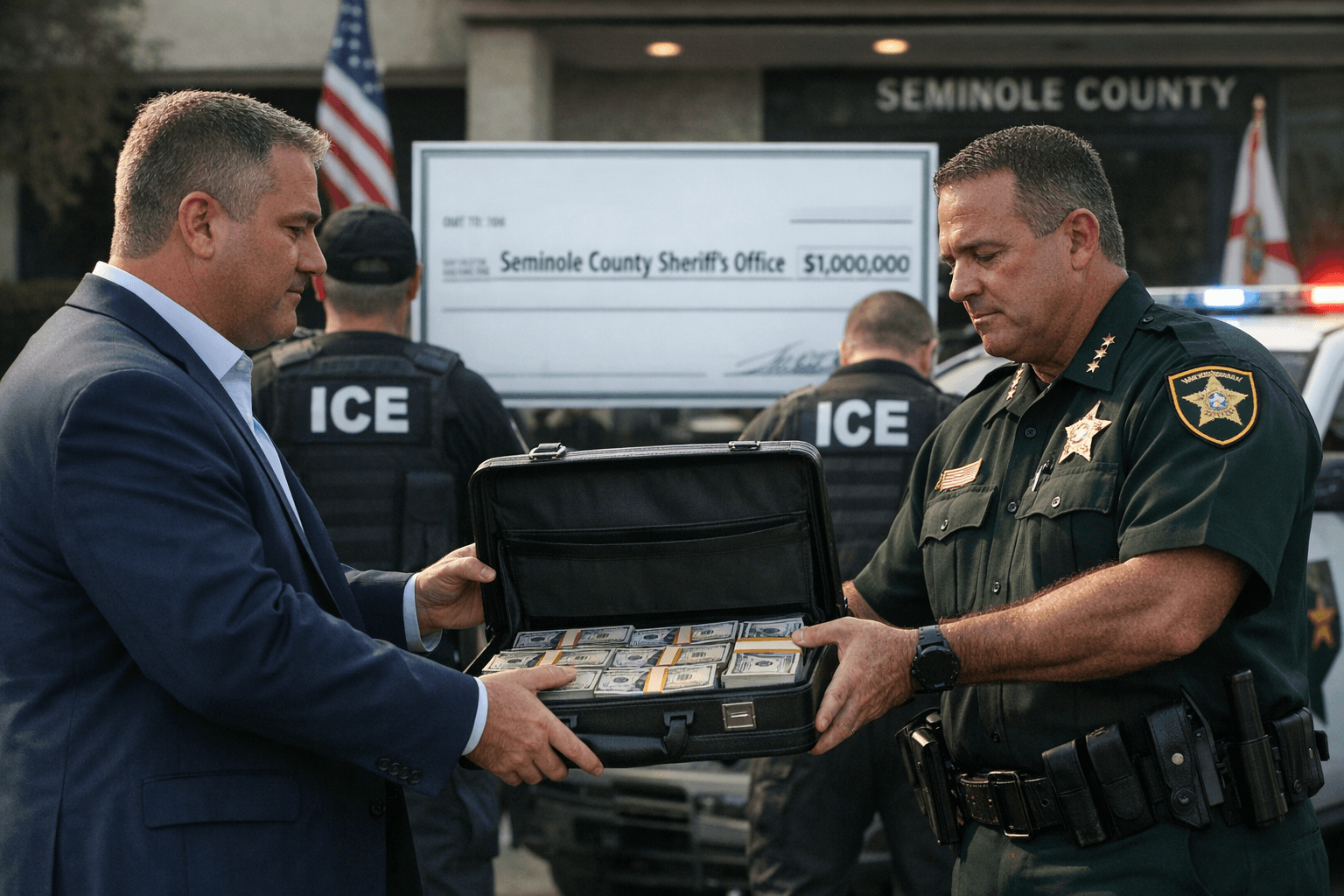
State officials handed over more than $1 million to the Seminole County Sheriff’s Office in a visit to Sanford on Jan. 9, funding county efforts tied to immigration enforcement. The allocation flows through the State Board of Immigration Enforcement and is tied to the federal 287(g) program that formalizes local partnerships with U.S. Immigration and Customs Enforcement.
The money is intended to reimburse local costs and fund bonuses connected to 287(g) training and cooperative operations with ICE. Sheriff’s Office leaders described the funds as providing tools, training and support to deputies and helping them identify and remove criminal noncitizens. Officials framed the transfer as a continuation of local-federal law enforcement partnerships.
Chief Financial Officer Blaise Ingoglia led the presentation and highlighted Florida’s role in expanding state-level immigration enforcement support. The visit included a public photo opportunity at the sheriff’s office and drew attention to the operational and personnel elements that the grants are meant to cover.
For residents, the immediate impact will be in how the sheriff’s office allocates resources and trains deputies. 287(g) agreements deputize local officers to carry out certain immigration-related tasks after specific training and supervision by ICE; funding that offsets training costs and offers bonuses can make those programs more sustainable at the county level. That can mean increased immigration enforcement activity by local deputies, shifts in patrol priorities and new procedures during traffic stops, arrests and booking processes.
The funding arrives amid ongoing national debates about the role of local law enforcement in federal immigration enforcement. Advocates for community trust and civil liberties have raised concerns in other jurisdictions that 287(g) partnerships can strain relationships between law enforcement and immigrant communities, deterring crime reporting and cooperation. Supporters argue local involvement complements federal capacity and targets individuals with criminal records who are in the country unlawfully.
Seminole County residents should expect announcements from the sheriff’s office about how the funds will be used and what training or operational changes may follow. Community groups and local leaders often monitor these developments closely because enforcement practices affect public safety perceptions, legal rights of immigrants and the workload of local agencies.
The takeaway? Funding changes like this matter at the neighborhood level - they shape how deputies engage with the community and who is prioritized for enforcement. Our two cents? Stay informed by watching county briefings, ask specific questions at public meetings, and if you or someone you know is impacted, seek guidance from trusted legal or community organizations so you understand your rights and the local procedures in play.
Sources:
Know something we missed? Have a correction or additional information?
Submit a Tip