Seoul Court to Deliver Jan. 16 Ruling in Yoon Martial Law Case
A Seoul criminal court has set January 16, 2026 as the date to rule in a case tied to former president Yoon Suk Yeol over obstruction and related charges stemming from his short lived declaration of martial law. The decision is a pivotal legal milestone that could deepen political uncertainty and affect investor confidence in South Korea ahead of a separate insurrection related trial expected next year.
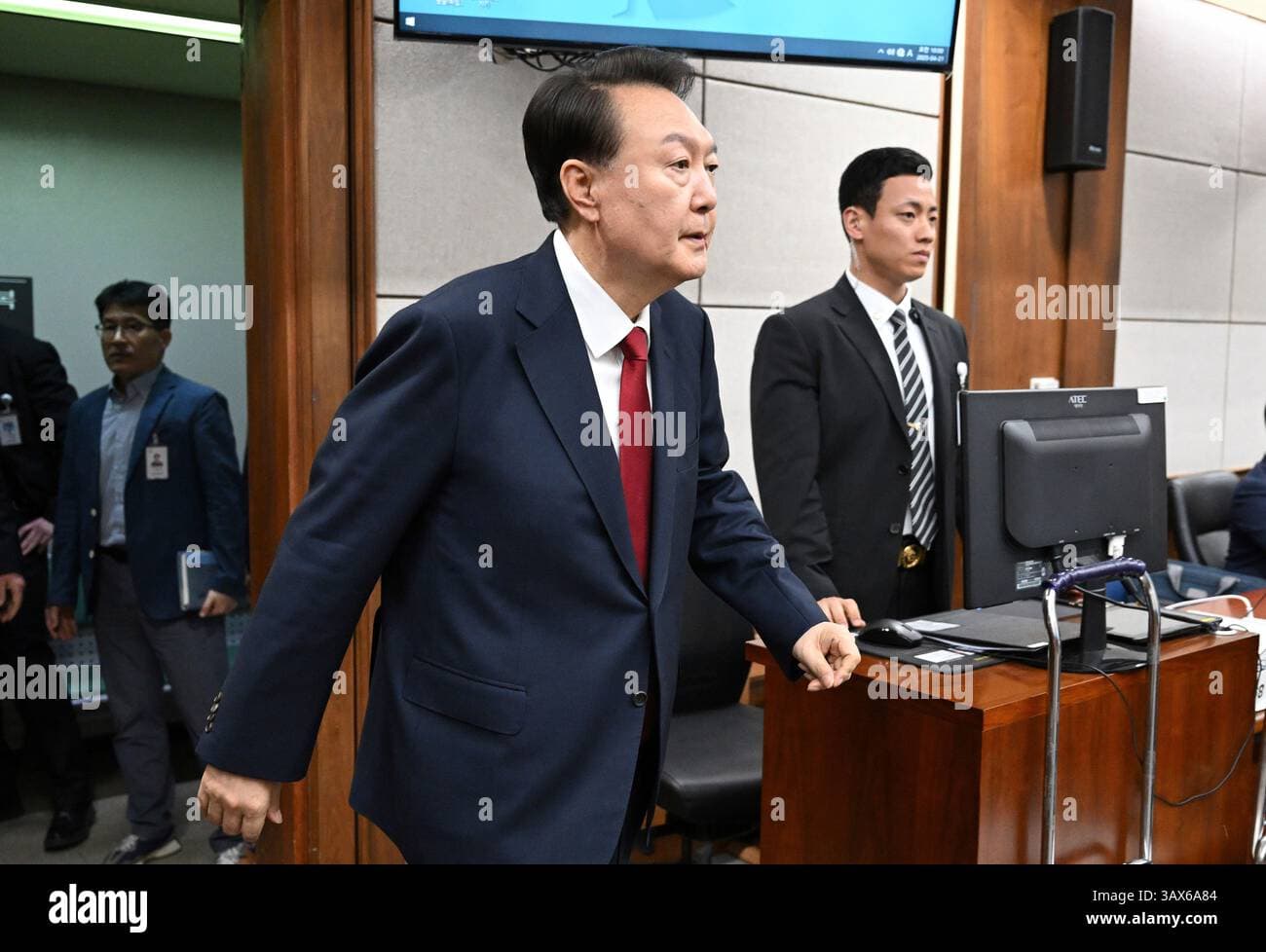
A bench of the Seoul Central District Court said it will hand down a ruling on January 16, 2026 in a prosecution that accuses former president Yoon Suk Yeol of obstructing investigators, deleting encrypted phone records, and issuing false public announcements tied to his brief martial law decree. The court indicated public hearings for that case will conclude by December 26, 2025, and that the special counsel team will present sentencing recommendations and Yoon will deliver a final statement before the ruling.
The proceedings form part of a broader legal sweep following Yoon's removal from office. The Constitutional Court upheld his impeachment on April 4, 2025, and a special counsel led by Cho Eun seok carried out a six month probe that resulted in indictments of 24 people. The group named in the indictments includes Yoon, five former cabinet members and 18 other aides and officials, among them former prime minister Han Duck soo and senior security ministers who have been reported arrested or detained in connection with the case.
Prosecutors allege the martial law decree was prepared before October 2023 as part of an effort to consolidate power. The indictment asserts that Yoon and some military commanders sought to induce armed aggression by the Democratic People’s Republic of Korea as a pretext for imposing martial law. Prosecutors say that plan failed when North Korea did not respond with military force. Alongside the obstruction and record deletion charges, Yoon faces insurrection charges in a separate bench that is expected to finish hearings in early January 2026 and aim for a verdict in February 2026. Insurrection convictions carry the maximum penalties of life imprisonment or the death penalty under South Korean law.
The twin court tracks pose acute political and economic risks. The legal timetable reflects statutory constraints that require certain rulings within six months of special counsel indictments. Yoon's defense has asked courts to coordinate verdicts across benches, arguing that rulings should wait until the insurrection related trial is complete. Courts have so far kept the cases on distinct schedules.
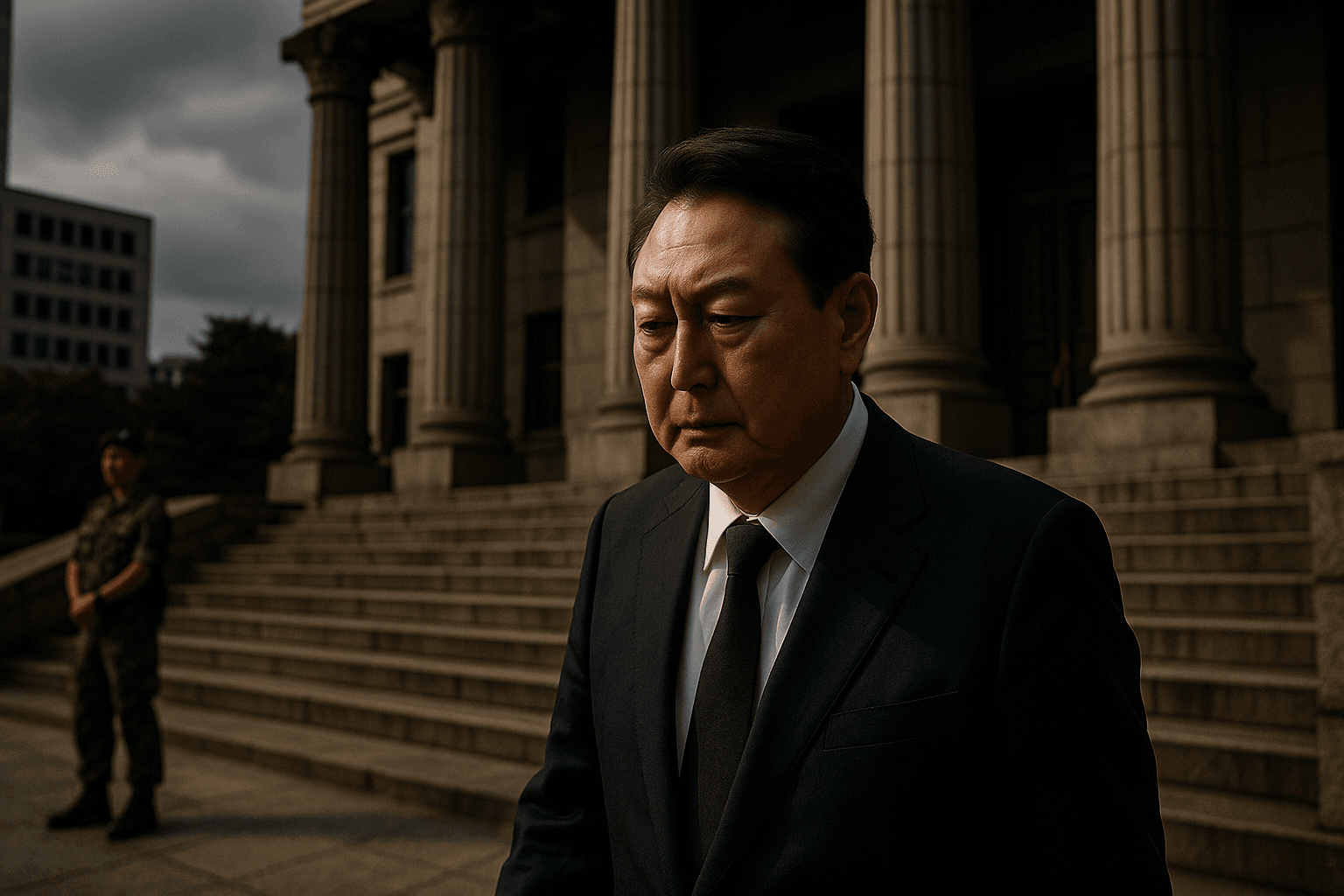
Markets and policy makers are watching closely. Political instability in a country that is a major exporter and a critical node in global technology supply chains tends to translate into greater currency and bond market volatility, tighter risk premia and delays in investment decisions by multinational firms. A prolonged legal saga could raise South Korea's perceived political risk, potentially prompting short term outflows from equities and raising yields on sovereign debt if investors demand a risk premium. For policy makers the case complicates defense and foreign policy planning at a fraught time in regional security.
Long term implications hinge on institutional resilience. A robust judicial process that is seen as impartial could shore up rule of law credentials and eventually reassure markets. Conversely, persistent political polarization and legal uncertainty could weigh on growth by raising the cost of capital and slowing structural reforms. For now the January 16 ruling will stand as a crucial waypoint for South Korea's politics, its markets and the wider questions about civilian control of the military and democratic governance.
Sources:
Know something we missed? Have a correction or additional information?
Submit a Tip

