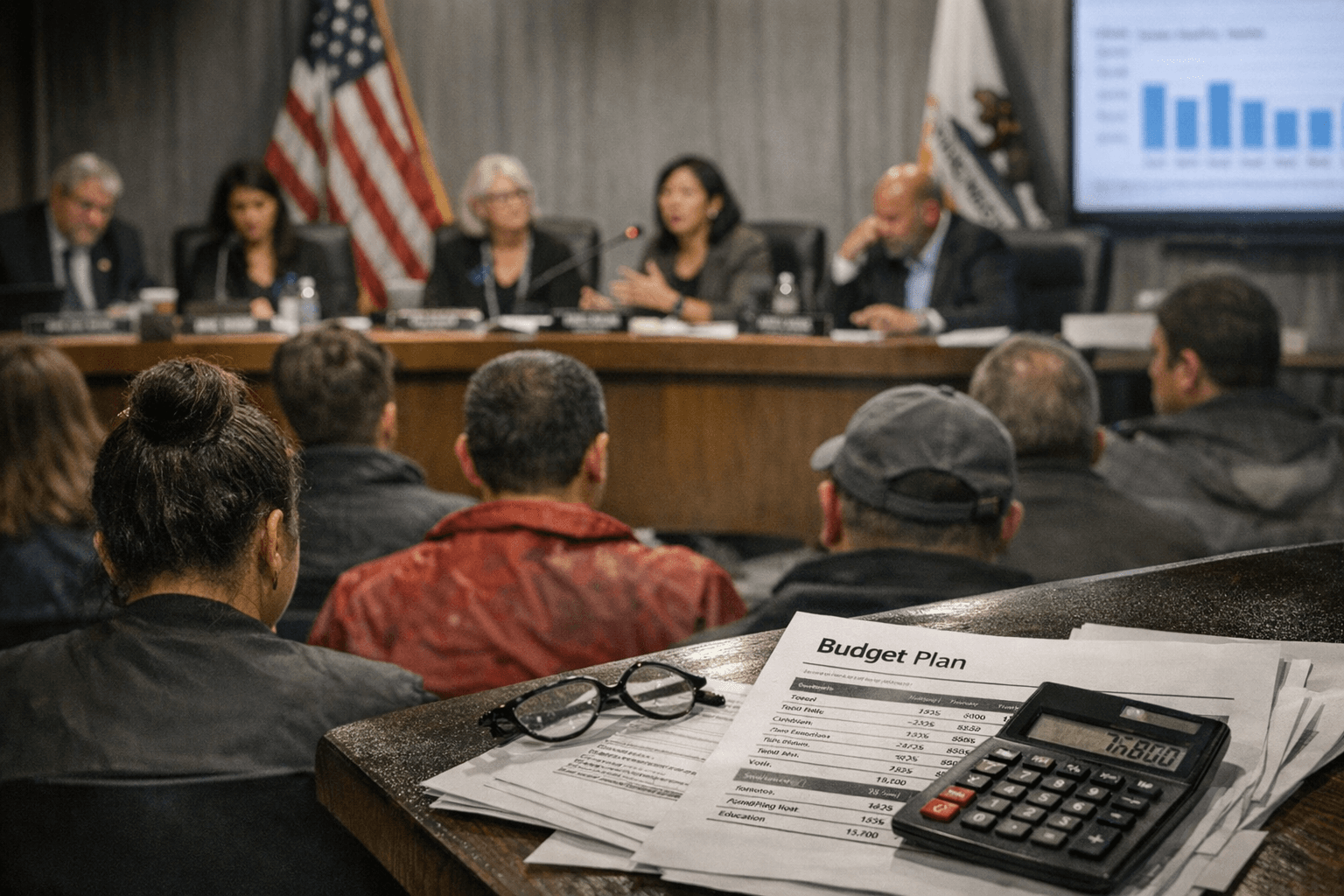
SFUSD Faces $51 Million Shortfall, Possible Cuts and Closures in 2026
San Francisco Unified School District entered 2026 confronting an estimated $51 million deficit, declining enrollment that has shrunk operating revenue, and stalled academic gains in reading and math. The budget pressure has raised the prospect of layoffs, school site closures, changes to the enrollment system, and renewed labor conflict that could disrupt classrooms and services across the county.

The San Francisco Unified School District entered the new year with a fiscal and political reckoning that will shape local schools through the spring budget cycle. District financial documents and planning discussions show a multimillion-dollar shortfall of roughly $51 million driven in large part by years of enrollment decline that reduce per-pupil revenue, alongside stagnant academic metrics in reading and math that complicate decision making about program priorities.
The budget calendar now sets a fast pace. Staff and the board will intensify budget discussions starting in March, present preliminary plans to the public in the spring, and adopt a final budget in June. Those deadlines create compressed windows for community review and for unions and district leaders to negotiate tradeoffs that affect classroom staffing and student services.
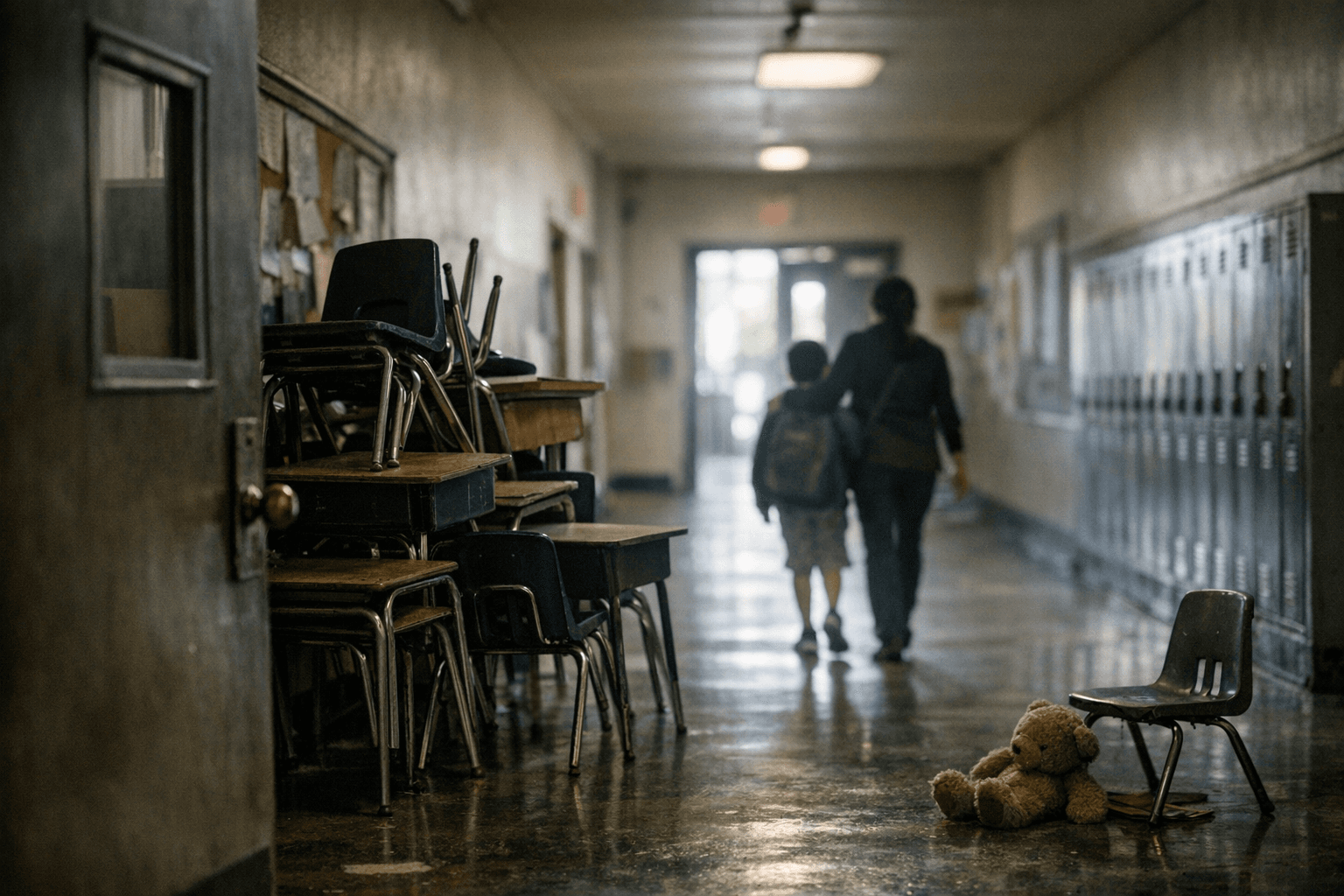
Labor tension added urgency to the fiscal dilemma: teachers authorized a strike in December and remain positioned to escalate toward a walkout if contract talks do not advance. That authorization increases the risk of labor action during a year when staffing decisions are a primary lever to close the fiscal gap. Superintendent Maria Su, who received an extended contract recently, faces heightened political stakes as the district balances fiscal solvency, academic progress, and labor relations.
School closures and district reorganization are among the most contentious options on the table. Proposed site closures and consolidations already have provoked community pushback, as families and local advocates warn of program loss, longer travel times for students, and the erosion of neighborhood school identity. District leaders are also planning changes to the enrollment system intended to stabilize attendance and revenue, but those shifts carry implementation challenges and potential short-term disruption to student placement.
To close the deficit, the district may combine measures such as staffing reductions or layoffs, program cuts, reorganization of school sites, enrollment-policy changes, and use of one-time reserves. Each option presents tradeoffs: layoffs and larger class sizes can damage instructional quality; program cuts can reduce services for vulnerable students; and using reserves postpones rather than solves structural imbalances.
The district is also weighing modernization efforts, including policies around new technologies such as artificial intelligence, as it seeks efficiencies and instructional tools amid constrained resources. How the board and administration balance near-term fiscal fixes with longer-term investments and accountability for reading and math outcomes will determine whether shortfalls become recurring crises or a platform for sustainable change.
For families and staff in San Francisco County, the months between March and June will be decisive. Decisions on budget reductions, school reorganization, and labor agreements will directly affect classroom resources, staffing stability, and the day-to-day experience of students across the district.
Sources:
Know something we missed? Have a correction or additional information?
Submit a Tip