SFUSD Schedules January Board Meeting and Budget Town Halls
San Francisco Unified School District posted its January calendar on Jan. 5, 2026, announcing a regular Board of Education meeting for Jan. 13 with a public open session at 6:30 p.m., along with preliminary school budget allocations and enrollment application windows for 2026–27. The announcements open multiple opportunities for families and community members to weigh in on budget development and return-to-local-control milestones that will shape services affecting student health, safety, and equity.
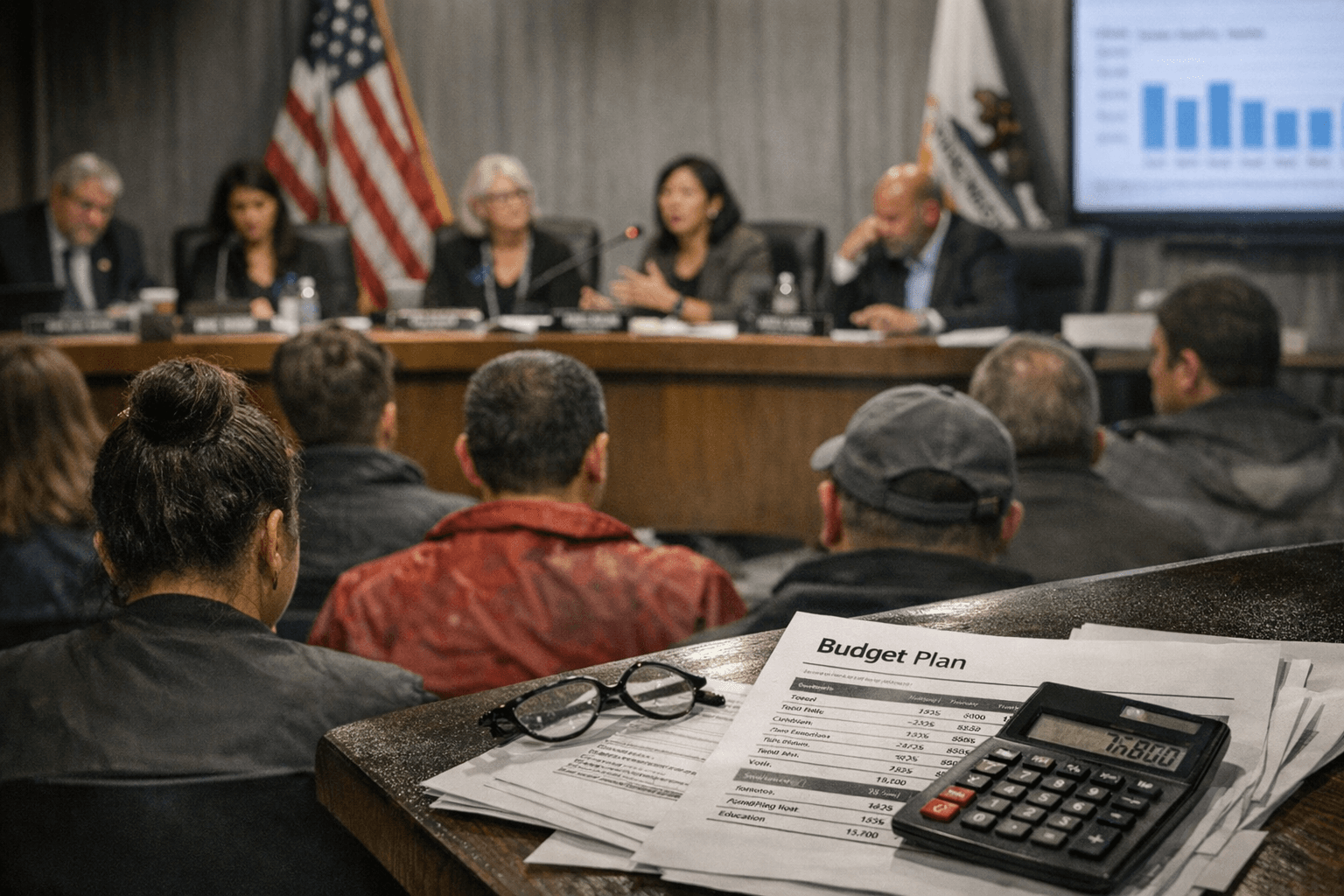
The San Francisco Unified School District posted its January meeting calendar and related materials on Jan. 5, 2026, setting a regular Board of Education meeting for Jan. 13 with a public open session scheduled to begin at 6:30 p.m. The district also released preliminary school budget allocations, highlighted application windows for 2026–27 enrollment, and scheduled budget town halls and other community forums to gather public input as it continues work on budget development and return-to-local-control milestones.
Those preliminary allocations and the upcoming board session matter for families and neighborhood communities across San Francisco because school budgets determine staffing, student supports, and health services that directly affect daily life for students. Funding choices influence school nursing and mental health staffing, special education supports, after-school programs, and classroom resources. For communities that have long shouldered inequities, the budget process is a primary mechanism to correct disparities or, if left unaddressed, to perpetuate them.
The district is inviting public participation. The SFUSD website provides meeting access instructions and public comment protocols so residents can learn how to register to speak or submit written comments ahead of the Jan. 13 meeting. The announcement also outlines multiple opportunities this month for community members to engage in budget town halls and other forums where preliminary allocations will be discussed and refined before final decisions are made.
Engagement in these processes is particularly consequential as the district moves through return-to-local-control milestones. Local control can expand community influence over how resources are distributed, but meaningful participation requires accessible outreach, clear information about how decisions are made, and attention to the barriers that have historically limited participation by low-income families, multilingual households, and other underrepresented groups.
Public health officials and school health advocates watch budget deliberations because school-based services are a frontline for youth mental health, chronic disease management, nutritional programs, and pandemic recovery work. Changes to staffing or programs can have ripple effects on clinic referrals, community health partnerships, and access to care for students who rely on schools for services beyond education.
San Francisco residents seeking to participate should review the meeting access information and public comment procedures posted on the district’s website at sfusd.edu and plan to attend or submit input during the district’s scheduled town halls and the Jan. 13 public session. Community input in January will help shape final budget decisions that affect classrooms, health supports, and the district’s progress toward equitable, locally guided governance.
Sources:
Know something we missed? Have a correction or additional information?
Submit a Tip