Shooting at Kentucky State University Kills Student, Suspect Arrested
A December 9 shooting outside Whitney M. Young Jr. Hall at Kentucky State University left one student dead and another critically injured, prompting a brief campus lockdown and the arrest of a nonstudent suspect. The incident has intensified scrutiny of campus safety measures and raised questions about how colleges address violence prevention and student support.
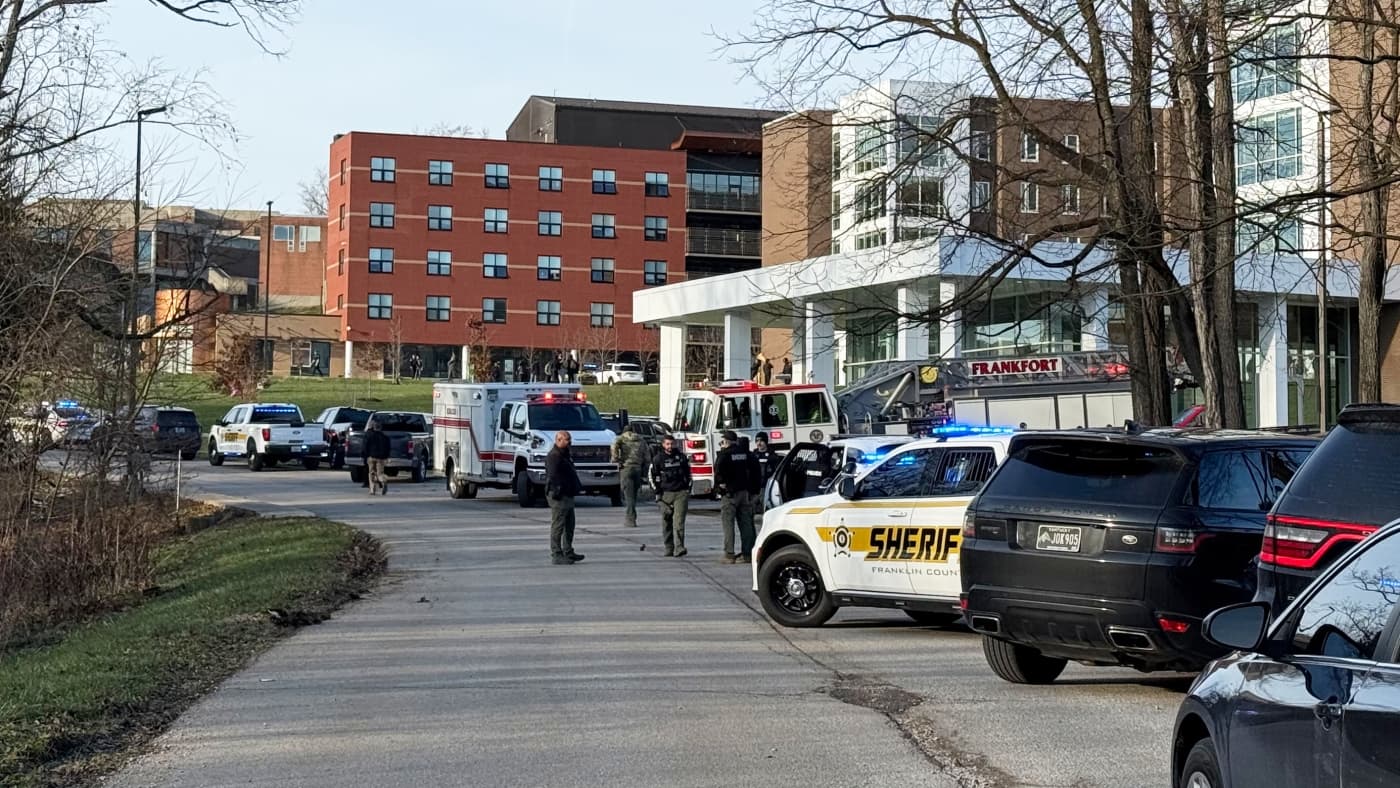
A shooting outside Whitney M. Young Jr. Hall at Kentucky State University in Frankfort on December 9 left one student dead and another in critical condition, university officials and local police said. Authorities arrested a suspect who is not a student at the university and booked him on charges that include murder and first degree assault. The campus was placed briefly on lockdown and the university suspended classes and activities for the rest of the week while investigators interviewed witnesses and searched for a motive.
University leaders moved quickly to provide counseling and family support services, and emphasized there was no ongoing threat to students, staff or visitors. Governor Andy Beshear called the shooting an isolated event as investigators worked to confirm the sequence of events and the relationship between the suspect and the victims. Local law enforcement officials said preliminary information suggested the incident was not a random mass shooting, but that the probe remained active and that determining motive was a central focus.
The shooting has immediate practical effects for campus life. With classes and extracurricular activities suspended, students faced short term disruption in the middle of the academic term and increased anxiety as officials coordinated victim assistance and safety briefings. University statements indicated counseling resources were being mobilized for students and family members, and campus leadership pledged to review security protocols and outreach efforts in the coming days.
Beyond the immediate response, the incident highlights persistent policy questions for colleges and state governments. In recent years institutions have devoted greater resources to emergency communications, campus police staffing and threat assessment teams, while also confronting the budgetary trade offs that come with expanding safety measures. For a public historically Black university serving a close knit campus community, the reputational and enrollment effects can be acute, as prospective students and families weigh safety alongside academic offerings.

State lawmakers and higher education officials will likely face renewed pressure to evaluate current requirements for campus security and support services. Decisions about funding, training and collaboration between university police and local law enforcement carry both fiscal implications and political consequences. Insurance costs and liability exposures can also rise after high profile incidents, adding to operating pressures for smaller public institutions.
Investigators said they would continue to interview witnesses and gather evidence in the coming days. The university has urged students and families to use the support services made available and said it would keep the campus community informed as more information becomes available. As the probe proceeds, the case will be watched for what it reveals about motives, the effectiveness of on campus response systems and the broader challenge of preventing violence on college campuses.
Sources:
Know something we missed? Have a correction or additional information?
Submit a Tip

