Southeastern Australia faces weeks of intense bushfire threat and damage
Authorities warn fires in Victoria and parts of New South Wales will take weeks to contain, with communities, farms and infrastructure facing severe losses.
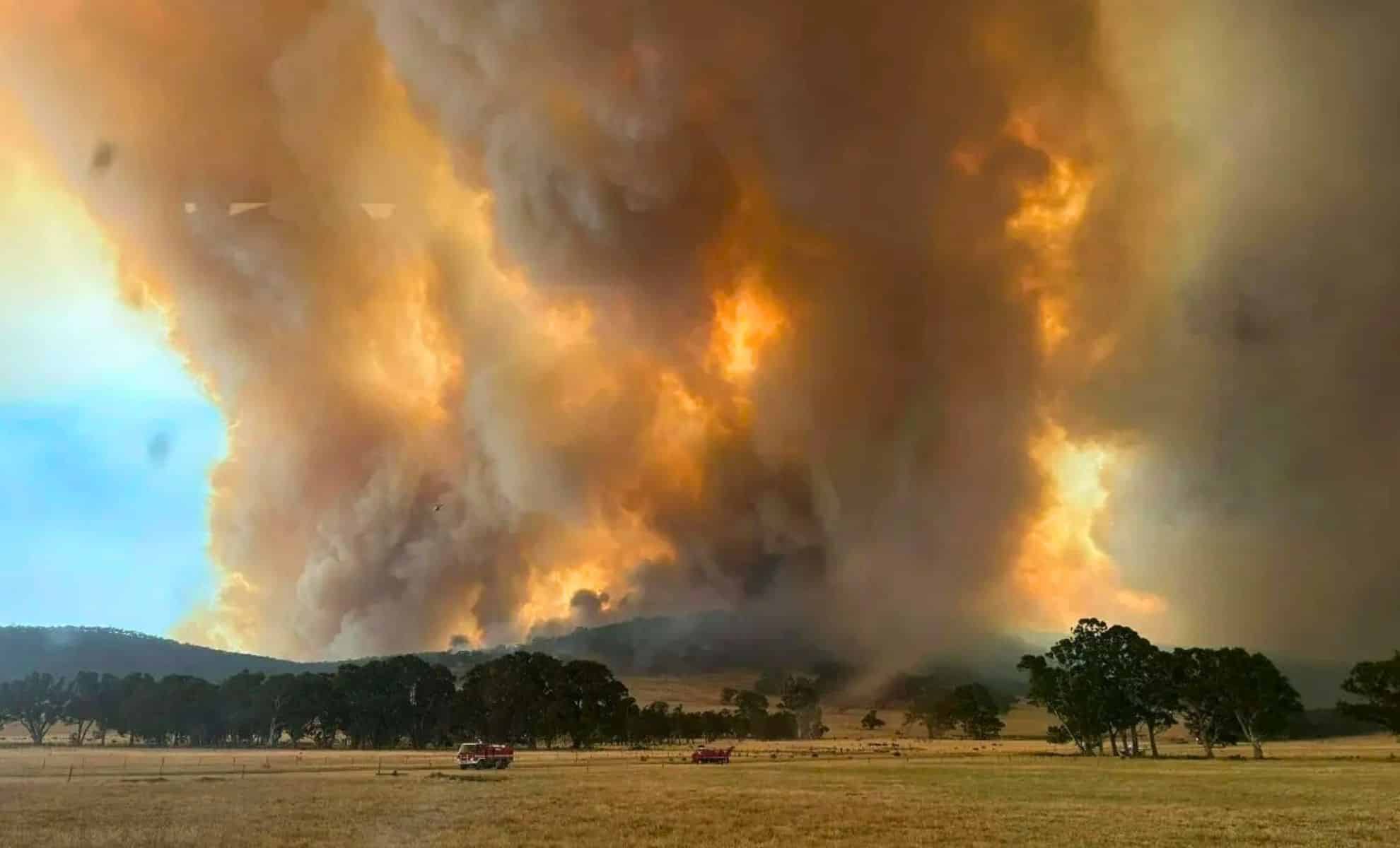
Authorities warned that widespread bushfires burning across Victoria and parts of New South Wales are likely to take weeks to contain as crews battle dozens of active fronts and volatile weather. Officials described the blazes as the worst to hit southeastern Australia since the 2019–20 Black Summer fires, with more than 350,000 hectares reported burned in Victoria since midweek and around 30 or more active fires statewide.
Major fires include a Longwood-area complex that multiple outlets reported at roughly 36,000 hectares, and a fire near Walwa and Mount Lawson State Park of about 20,000 hectares. Local emergency services say more than 300 structures, including homes, have been destroyed; at least 20 houses in Ruffy were lost and the town was described as "severely" affected. Harcourt suffered infrastructure damage including burst water mains, with water authorities warning that tap water there was "not safe to drink and that boiling would not remove contaminants."
Human tolls remain uncertain and distressing. Victoria police reported human remains found by a vehicle near Longwood, and broadcasters said three people — two adults and a child — were unaccounted for in the Longwood area after a burnt home was located where they had been advised to shelter. Fires have cut power to thousands of properties and smoke is degrading air quality across broad areas of Victoria, including parts of metropolitan Melbourne.
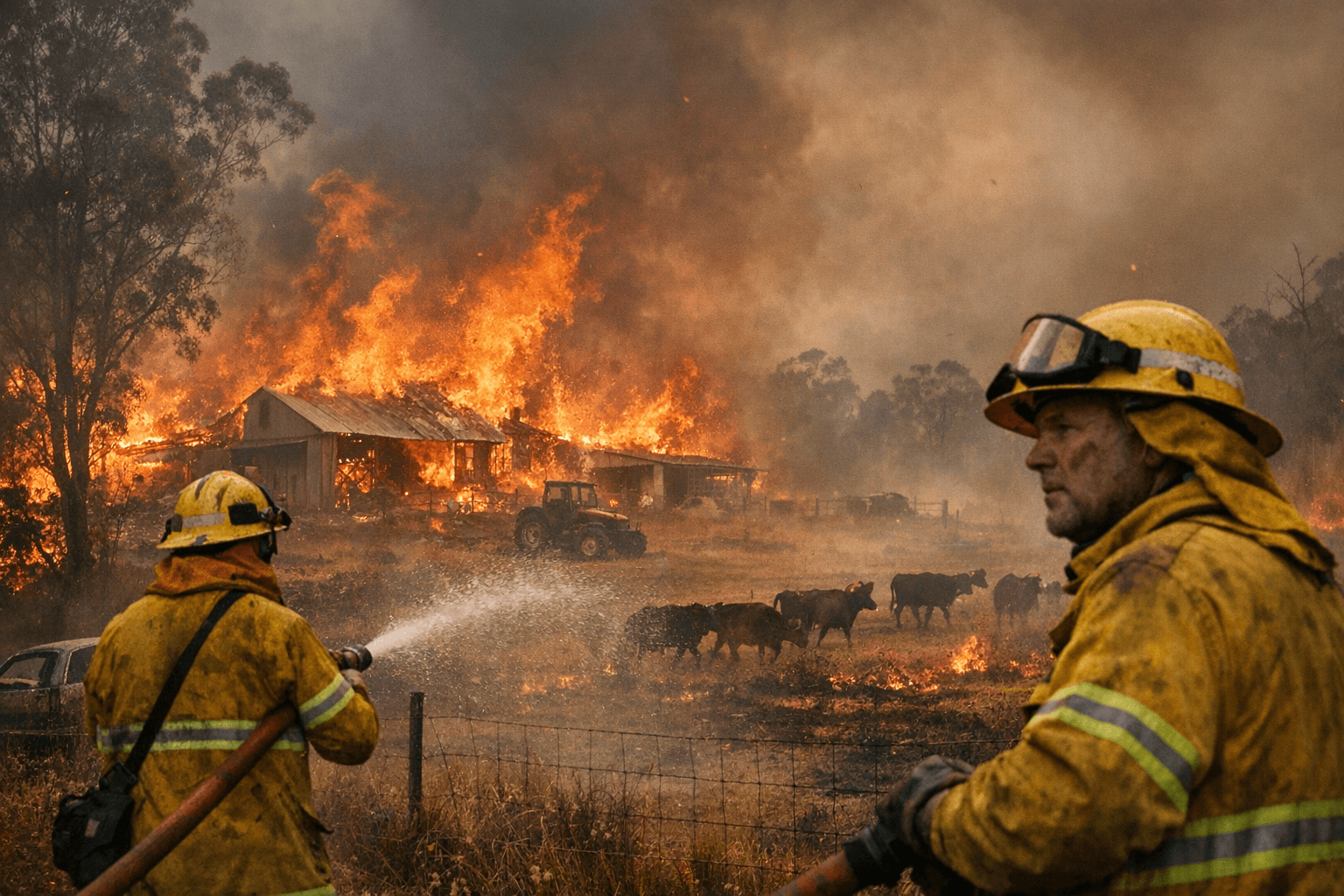
Emergency services have issued a raft of warnings and ordered evacuations for communities close to active fire fronts. Authorities posted 15 emergency warnings linked to three fires and issued life-safety messages for places such as Carlisle River in the Otways that it was "too late to leave," advising residents to shelter immediately because emergency services "may not be able to help you if you decide to stay." Thousands of firefighters and more than 70 aircraft are engaged in containment and suppression operations, but officials cautioned that conditions remain highly unpredictable.
Forest Fire Management Victoria chief fire officer Chris Hardman said the blazes "will not be contained before it gets hot, dry and windy again" and that crews face weeks of sustained effort. Country Fire Authority chief officer Jason Heffernan urged Victorians to prepare for further losses, warning them to "brace themselves for more property loss or worse." Emergency management commissioner Tim Wiebusch described the statewide outlook as catastrophic.
The Bureau of Meteorology warned of a severe fire-weather system bringing damaging winds and dry lightning to Victoria, South Australia and New South Wales, even as a separate tropical system threatened North Queensland with heavy rain and gales. Authorities noted that an approaching cool change could complicate firefighting; erratic winds associated with changing weather could render some areas undefendable and spread flames suddenly.
Federal and state governments have activated disaster recovery funding and emergency assistance. Prime Minister Anthony Albanese pledged emergency support for residents and targeted help for farmers, including measures for livestock fodder distribution to cope with immediate losses. The Victorian government announced modest immediate relief payments and access to meals and counselling for affected families, with officials saying further support could follow as damage assessments continue.
Beyond immediate destruction, the fires carry wider implications for agriculture, regional communities and Australia's global commitments on climate and disaster resilience. The scale of the emergency recalls the Black Summer season and is likely to intensify domestic debate over preparedness, land management and the international dimensions of a warming climate that is reshaping risk across the Pacific. For now, the focus remains on protecting lives and stabilising communities as crews wrestle with blazes expected to burn for weeks.
Know something we missed? Have a correction or additional information?
Submit a Tip