Springfield Library Budget Cut Proposal, Community Mobilizes for Vote
The Springfield Public Library director presented City Council with a proposal showing how a $500,000 general fund reduction could be implemented while preserving core services, prompting public concern and an organized campaign to protect library funding. The proposal details staff cuts, reduced hours, and deep cuts to the materials budget, and residents are being urged to speak at a Dec. 8 public hearing on a proposed payroll tax that could restore funding.

Library leadership submitted a concrete scenario to City Council that would remove just over half a million dollars from the library operating budget for fiscal year 2026. The library budget is currently $2,331,465. The proposed reduction would remove $501,193 and reduce full time equivalent positions from 12 to 10.
Under the scenario, the library would cut three staff positions, reduce operating hours by five, and remove $89,000 from the book budget. Programming would be trimmed as part of the package. The documents were prepared to show how a sizable general fund gap could be closed while retaining essential services, but the proposed changes would have immediate effects on collections access, in person assistance, and scheduled programming for children and adults.
The proposed cuts arrive as community members have already voiced concern. A Save Springfield Library campaign has formed and is urging residents to participate in the civic process. Organizers called for turnout at the Dec. 8 public hearing, where a proposed payroll tax intended to stabilize library funding will be considered. That hearing offers the most direct venue for residents to register support or opposition and to ask council members for alternatives.
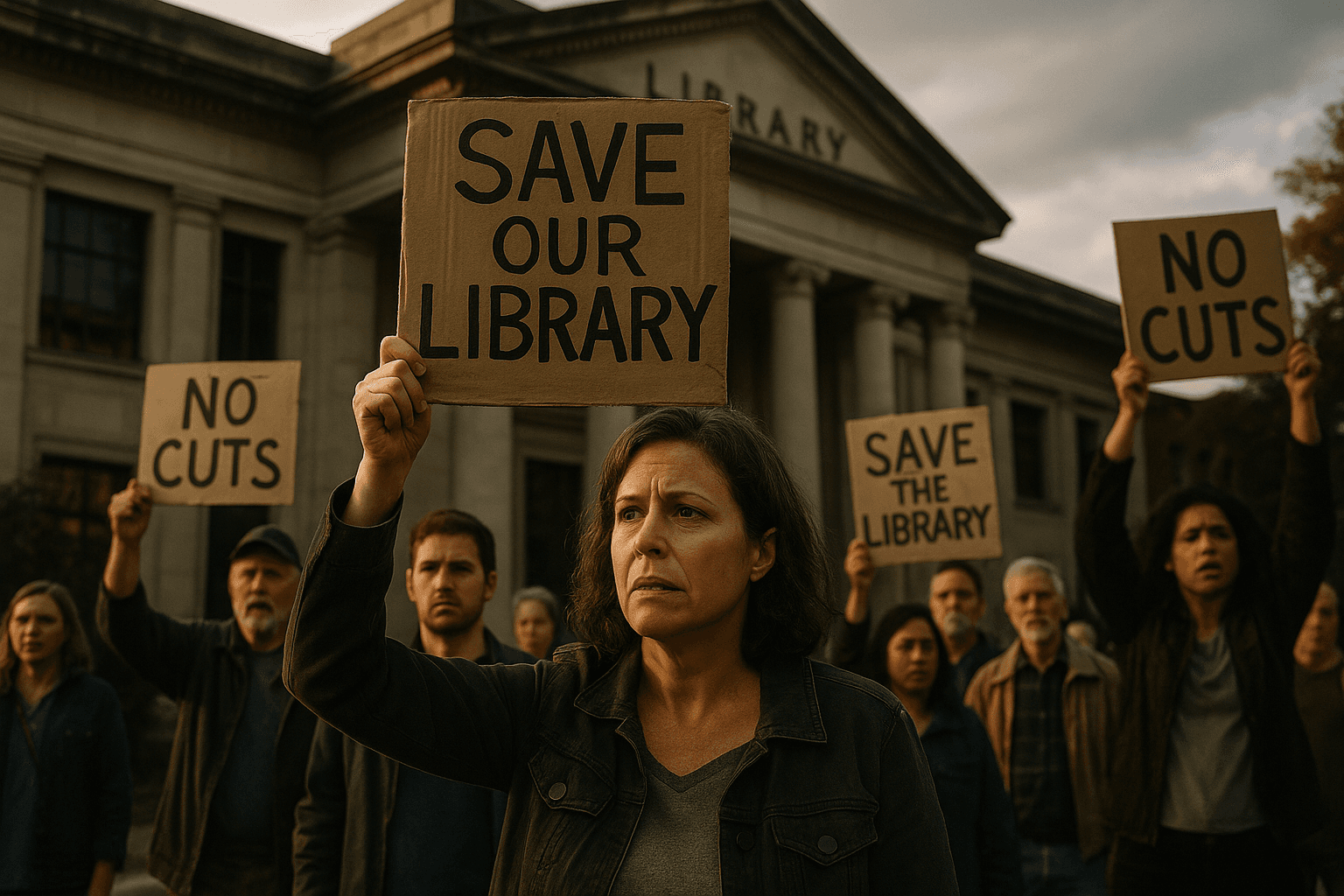
Policy implications extend beyond the library itself. A reduction of this size would shift service delivery priorities within the municipal general fund and create pressure on volunteers and partner organizations to fill gaps. Reduced staff and hours could disrupt school partnerships, curb access for seniors and low income residents who rely on public internet and physical collections, and constrain early literacy and community programming that feed long term educational and economic outcomes.
Decisions now will shape how the city balances competing demands for limited general fund dollars. Residents who wish to influence that balance should attend the Dec. 8 hearing and contact council offices to express priorities for library services, funding stability, and accountability for how public dollars are allocated.