Suffolk water official named chair of Long Island Water Conference
Brendan Warner was sworn in as chair of the Long Island Water Conference, coordinating regional suppliers to tackle lead lines and aging infrastructure that affect Suffolk residents.

Brendan Warner, director of construction and maintenance at the Suffolk County Water Authority, was sworn in as chair of the Long Island Water Conference, a coalition that brings together drinking-water suppliers, engineers and technical experts across Nassau and Suffolk counties. The appointment places a longtime systems manager at the center of regional efforts to safeguard Long Island’s sole-source aquifer and the pipes that deliver clean water to homes and businesses.
Warner oversees SCWA’s roughly 6,000-mile distribution system, including main replacements, hydrant maintenance and the authority’s lead service line replacement program. Those operational responsibilities informed his new role with the conference, which members say is focused on coordination to meet mounting regulatory and infrastructure challenges. Collaboration among utilities and technical specialists is central to managing costly projects, complying with tightening water-quality rules and protecting the aquifer that underpins regional water supplies.
For Suffolk County residents the conference’s work has tangible consequences. Main replacement programs reduce breaks and boil-water disruptions, hydrant maintenance supports firefighting capacity in suburban and rural neighborhoods, and lead service line replacements cut household exposure to lead, a persistent public-health concern. Coordinated planning also helps pace construction to limit service outages and align projects with state and federal funding cycles, potentially lowering local costs and neighborhood disruption.
Long Island’s water managers face shared pressures: aging pipe networks, new regulatory expectations around lead and emerging contaminants, and the long-term stressors of sea-level rise and changing precipitation patterns that can influence aquifer recharge. The LIWC functions as a forum to share engineering best practices, bulk procurement strategies and compliance approaches so smaller systems can benefit from the scale and expertise of larger suppliers.
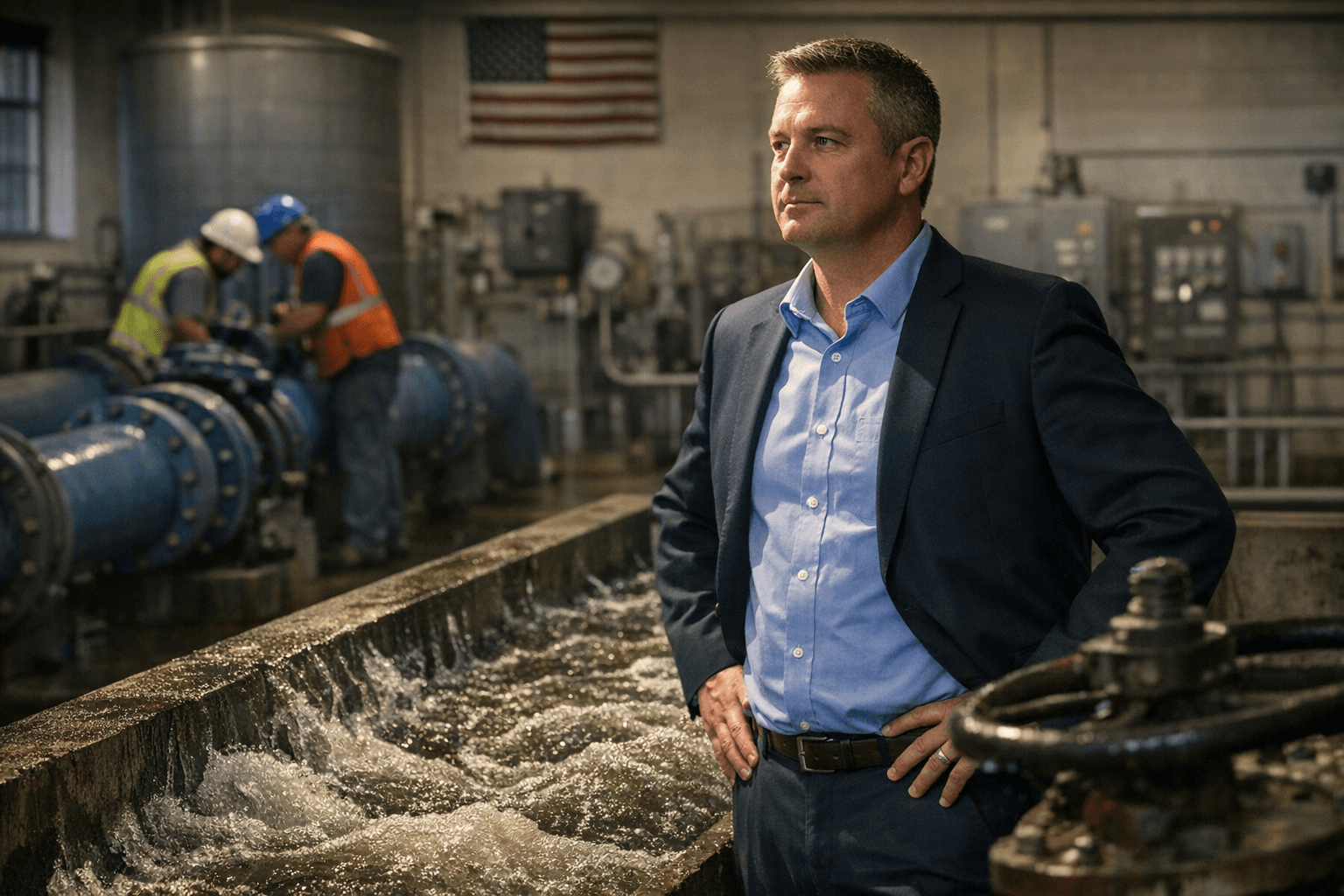
Warner’s elevation signals a practical, operations-first approach to those problems. His background in day-to-day system maintenance gives him insight into sequencing mains and service-line work, the logistics of hydrant testing, and workforce challenges that affect project timelines. For residents, that can mean clearer notices about planned work, better coordination between neighboring systems to avoid overlapping outages, and a steadier pace of service-line replacements in areas prioritized for lead removal.
The regional perspective also matters in a globally connected era: local water systems are affected by national regulatory shifts and by supply-chain and labor trends that cross borders. Strong interagency coordination on Long Island can improve access to funding and technical aid, while preserving the aquifer that sustains the county for generations.
Our two cents? Keep an eye on SCWA service alerts, ask your water provider whether your property has a lead service line, and attend local town meetings when water projects are announced. That way you’ll know when crews will be working on your street and how the upgrades will protect your tap water.
Sources:
Know something we missed? Have a correction or additional information?
Submit a Tip