Supreme Court Considers Challenge to Limits on Party Coordinated Spending
The Supreme Court heard arguments today in a Republican led challenge to longstanding federal limits on party coordinated campaign spending, a case connected to Vice President JD Vance. The decision could redraw the rules of American electoral politics and change how parties and candidates work together as the 2026 campaigns accelerate.

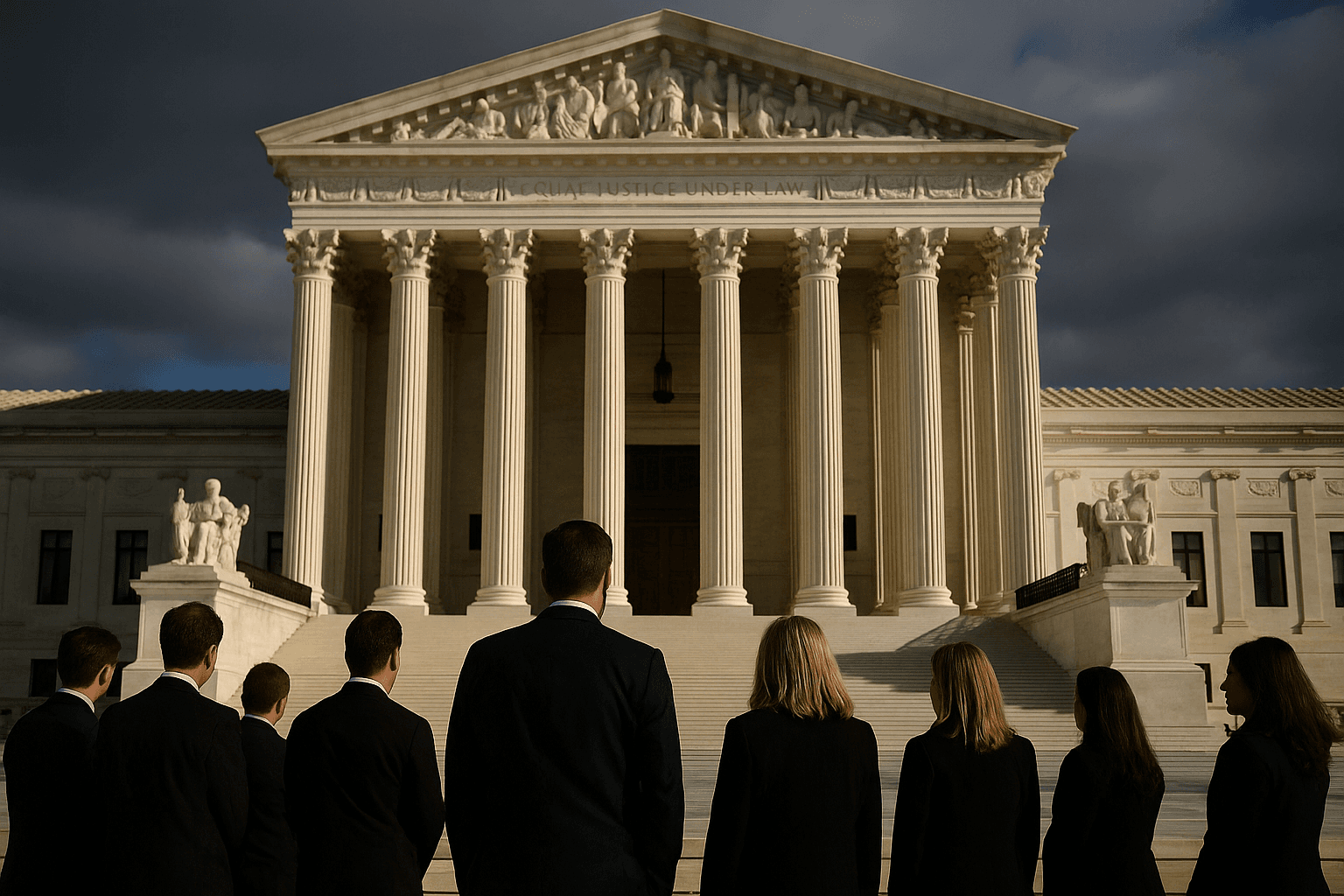
The Supreme Court convened on December 9 to hear a high stakes challenge to federal limits on spending by political parties when that spending is coordinated with candidates. The plaintiffs, led by Republican operatives and including litigation tied to Vice President JD Vance, contend that the restrictions under the Federal Election Campaign Act of 1971 violate the First Amendment and amount to unlawful "speech rationing."
The statute distinguishes between independent expenditures which are uncapped and expenditures coordinated with candidates which are subject to limits. That line has been central to campaign finance law for decades. Challengers asked the justices to overturn precedent that has upheld caps on coordinated party spending, arguing that modern campaign practice and communication platforms make the distinction untenable.
The Justice Department, representing the United States, declined to defend the statute, a choice that has become increasingly consequential when executive branch positions diverge from departments that traditionally protect federal laws. Because the government would not defend the provision, the Court appointed outside counsel to argue in defense of the statute. Democratic party committees were permitted to intervene and defend the law directly, setting up an unusual alignment of private and public advocacy before the justices.
At stake is more than technical regulation of money in politics. If the Court were to strike down limits on party coordinated spending, parties could effectively amplify candidate messages with fewer legal constraints. That would alter campaign strategy, fundraising priorities and the architecture of electoral contests as the United States heads into the 2026 election cycle. Parties would have greater latitude to produce television and digital advertising, to purchase targeted voter contact, and to marshal coordinated field efforts with candidates without facing federal caps.
Legal experts note that the case touches on longstanding precedents that sought to balance the free speech interests of political actors with concerns about corruption and the appearance of corruption. Overturning protections for coordinated spending would echo other landmark decisions that loosened limits on campaign finance and could prompt fresh litigation over the boundary between contribution limits and independent speech.
The case also raises questions about democratic norms beyond U.S. shores. Observers in allied democracies watching the Supreme Court closely have expressed concern about the potential for amplified private money to deepen political polarization and to complicate efforts to police foreign influence. International election monitors have emphasized that transparency and enforceable limits are tools many democracies use to sustain public trust in electoral processes.
What the justices decide will shape not only this country’s campaign finance landscape but also the practical dynamics of party and candidate cooperation. A ruling for the challengers could unleash a new phase of party centered spending that will test legal, political and institutional responses. A ruling that preserves the caps would leave in place a long standing distinction designed to constrain the most direct forms of candidate party coordination. Either outcome is likely to reverberate through the 2026 cycle and beyond.


